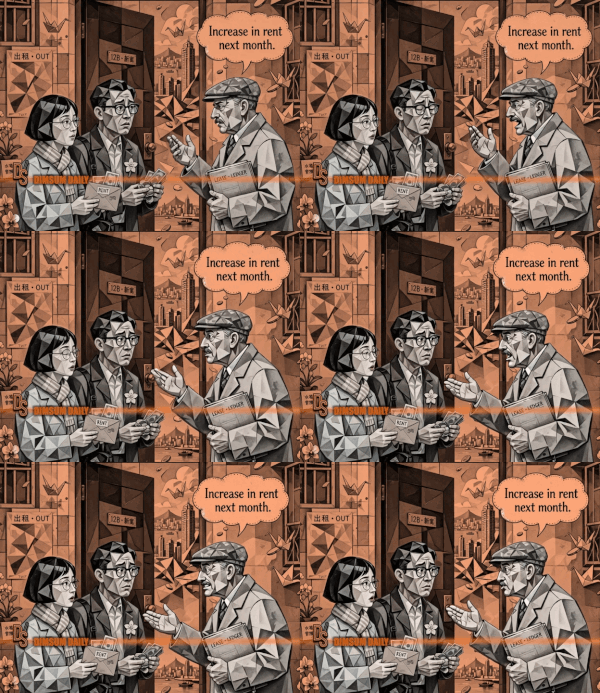




























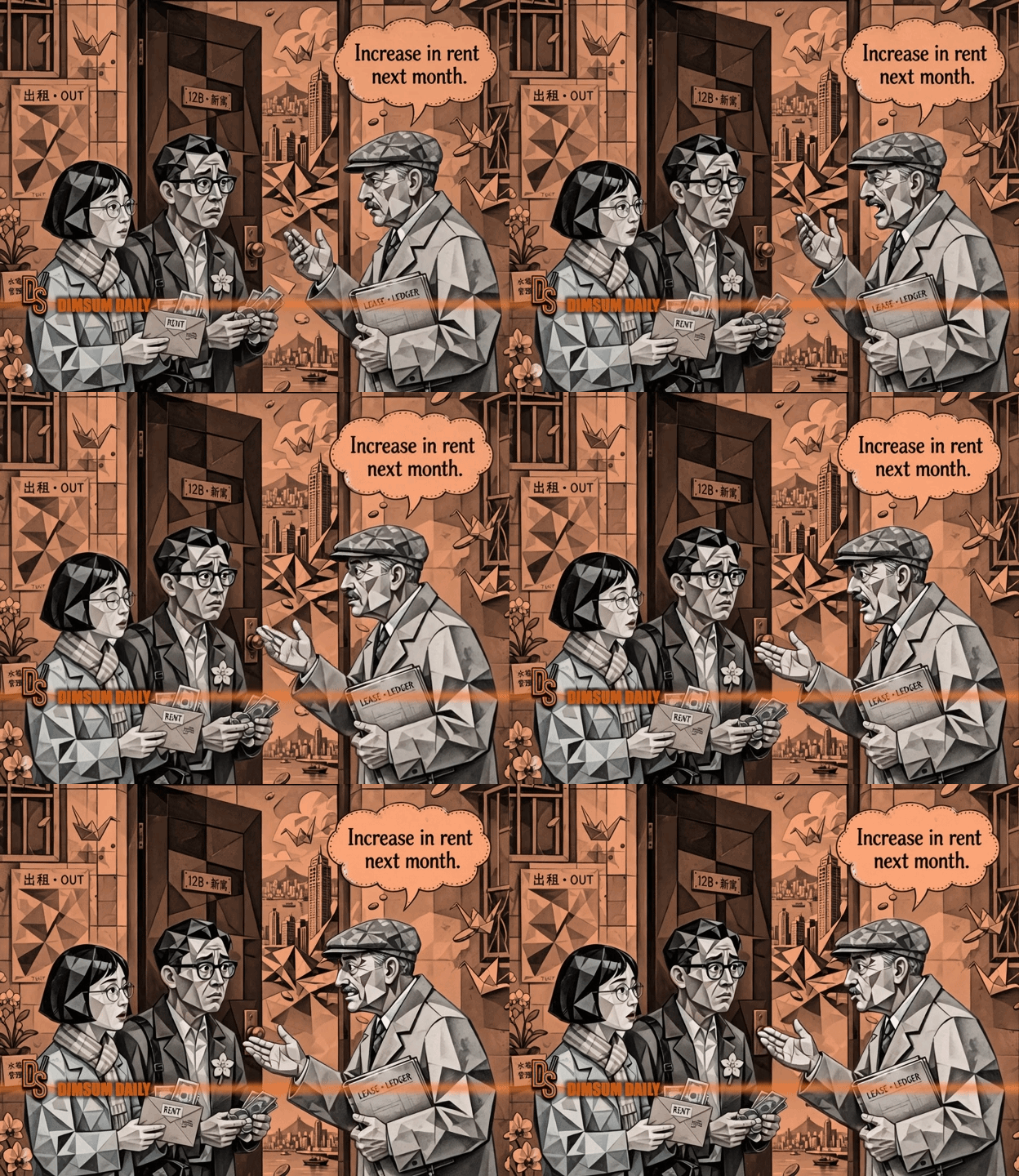
28th October 2026 – (Hong Kong) Spend an afternoon at an open house in Hong Kong this autumn and you’ll notice something. Several groups of viewers move through the same flat at the same time. They say very little. They measure the bedrooms by eye and watch each other. Before any of them makes an offer, the agent’s phone rings. Someone else has agreed to the asking price without negotiating.
The Rating and Valuation Department’s private domestic rental index rose to 212.2 in September, up 0.47 per cent on the month. That is a new all-time high and the 11th monthly rise in a row. Prices are moving more slowly. The price index went up about 0.19 per cent to 320.8, its second monthly increase, and is up about 7 per cent this year. It is still about 19 per cent below its 2021 peak. Rents are at a record while prices are not, and that gap explains a lot about the mood in the market.
The demand is easy to trace. About 320,000 people have arrived under the various talent schemes, out of roughly 690,000 applications. Student visas reached about 94,000 in 2025, more than double the yearly number before the pandemic. Expatriates on housing allowances are back, and agents say people from the Middle East are now looking for flats too. Meanwhile, many tenants checked the market when their leases came up for renewal. They found that a slightly bigger flat costs a lot more, not a little more, so they stayed put. That means fewer flats come back onto the market.
Stories from the search sound like job interviews. One family with a budget of HK$60,000 to HK$70,000 a month was turned down. The landlord preferred an expatriate with a company housing allowance and said he was happy to wait. Another tenant, looking at a flat in the HK$15,000 to HK$20,000 range, was asked for payslips, tax returns and bank statements. Some flats near universities sit empty for months so their owners can collect a full year’s rent upfront from students when term starts.
So the obvious question comes up. If renting is this hard, would a mortgage be cheaper? Agents say it would. Their evidence is that small flats yield about 3.5 per cent in rent, and some estates yield more than 4 per cent, while mortgage rates are about 3.12 per cent. That comparison sets rent against the interest on a loan. It leaves out the deposit, which earns nothing once it goes into the flat. It also leaves out management fees, rates, government rent and repairs, plus the major renovation that seems to come around every decade.
Take an example. A HK$6 million flat bought with an 80 per cent loan over 30 years at 3.12 per cent costs about HK$20,500 a month. Over the full term the buyer repays around HK$7.4 million, about HK$2.6 million of it interest. Add the HK$1.2 million deposit and stamp duty, and the flat costs well over HK$8.6 million before a single management fee. At a 3.5 per cent yield, the same flat would rent for about HK$17,500 a month.
As a result, a Threads post from a man in his thirties spread widely this week. He had finally saved a deposit, and he asked whether 30 years of repayments means security or a lifetime burden. The fair answer is that renting is a lifetime cost too. Thirty years of rent at today’s level comes to about HK$6.3 million. If rents rise 3 per cent a year, the total is closer to HK$10 million. The renter keeps the deposit and stays flexible. The owner ends up with an asset. Both of them pay.
The real difference is the risk each one takes on. The buyer is betting on 30 years of steady income in a job market where people change jobs more often than their parents did, with automation coming and illness always possible. Many older owners cleared their mortgages in 10 to 15 years on rising pay and long careers. Today’s buyer puts most of the family’s wealth into one asset, and interest rates can move against them. The US Federal Reserve raised rates in September. Hong Kong has not followed yet, but its rates still track that decision. The renter faces a rent rise every two years, the chance of having to move at a bad time, and landlords who are often reluctant to rent to retirees.
The renter is buying certainty two years at a time, at a price someone else sets. The buyer pays for 30 years of certainty upfront, at a price partly set by interest rates. Many households end up buying not because the sums clearly work, but because the rental queue has become so tiring that a fixed cost feels like the one thing they can control.
Policy can’t remove this dilemma, but it can make it easier. More Home Ownership Scheme flats would help. So would purpose-built student housing to ease pressure on small flats, and clearer rules on how landlords screen tenants. Until then, each household has to do the sums honestly. That means counting what the deposit could have earned elsewhere, plus the fees, the interest rate risk and the risk of losing income. After that, the choice depends on how long you plan to stay and how secure your income is.