






























 Fancy a complimentary bump into business class without endlessly buttonholing cabin crew? Seasoned flight attendants and travel experts say luck matters less than a handful of practical habits that can quietly raise your place on an upgrade list.)
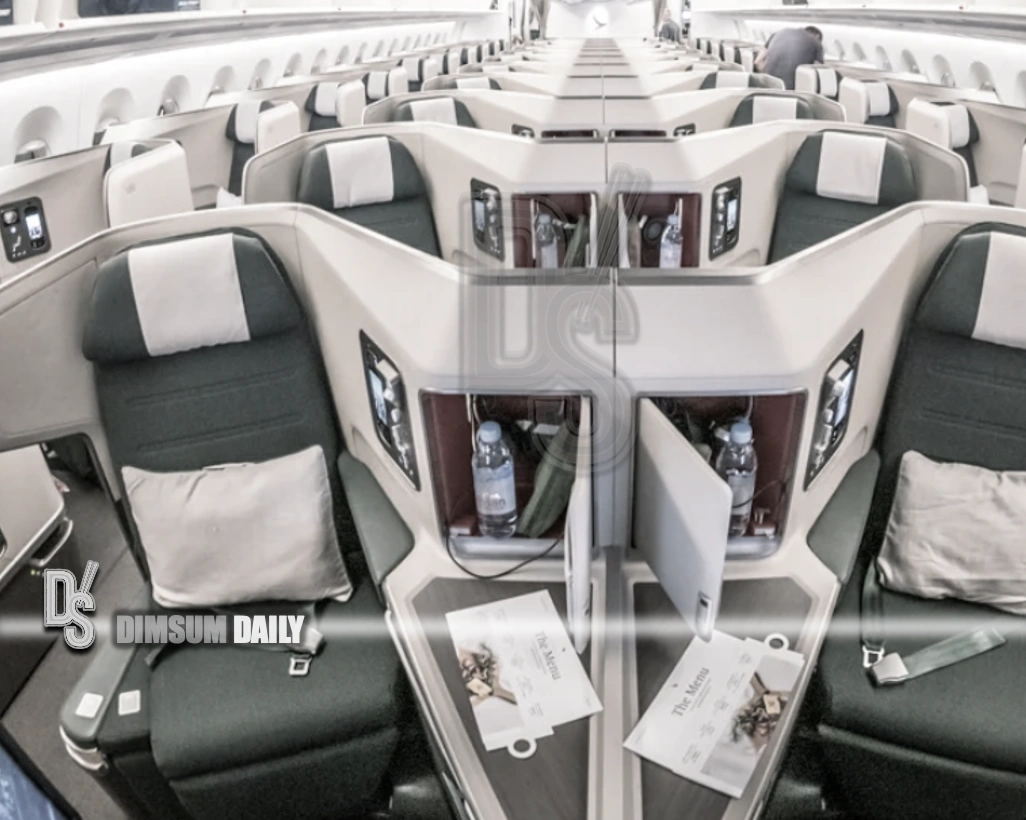
4th September 2026 – (Hong Kong) Fancy a complimentary bump into business class without endlessly buttonholing cabin crew? Seasoned flight attendants and travel experts say luck matters less than a handful of practical habits that can quietly raise your place on an upgrade list.
US travel magazine Travel+Leisure has rounded up four approaches that veterans say improve the odds. The first is to treat online check-in as a race against the clock. The moment the system opens, experts advise grabbing a seat allocation at once. On many airlines, when two passengers share the same priority ranking, the traveller who checked in earlier often moves ahead for an unpaid upgrade. Opening-hour windows can also release steeply discounted paid upgrades that vanish once the rush is over.
The second rule is knowing whom to ask, and when. Former flight attendant Barbara Bacilieri, who spent 15 years in the job, warns passengers not to wait until they are already on board before pleading for a better seat. Cabin crew, she says, can only follow the airline’s final list. Gate agents, by contrast, see no-shows and leftover premium seats in real time and can reshuffle assignments in the closing minutes before departure, when the chance of a last-gasp move is higher.
Solo travellers hold a structural edge. Airlines find it far simpler to reassign one business-cabin seat than to keep a group or family together in premium. Flying alone therefore often puts a passenger higher on standby upgrade lists than couples or larger parties chasing the same empty chairs.
Timing the trip helps too. Weekday flights and quieter off-peak seasons tend to leave more premium inventory spare. With fewer crowded cabins, the airline is more likely to free a business seat for someone already waiting on the list.
Dress is not a guaranteed passport to the front of the aircraft, insiders stress, yet appearance still matters at the margins. Looking neat and presentable will not vault a passenger up the computer ranking on its own, but turning up in overly casual clothes can tip staff against including that name when discretionary choices remain. A suit is unnecessary; tidy attire simply reduces the risk of being ruled out before other factors are weighed.
Taken together, the advice paints upgrades as a blend of systems, timing and presentation rather than charm alone. Early check-in, a polite word at the gate, solo travel in quieter periods and smart-but-simple clothing will not promise a lie-flat seat every time. They do, however, align a passenger with how airlines actually allocate spare premium inventory—and that, the experts say, beats hoping the cabin crew can rewrite a list that has already been locked.