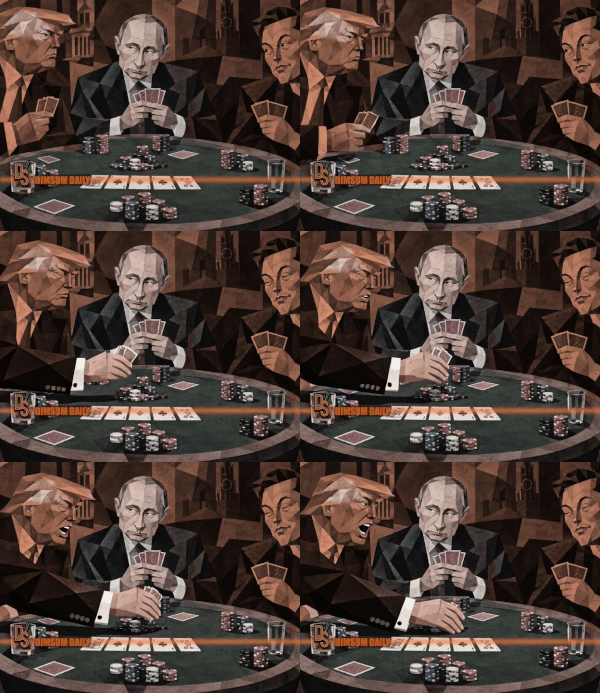




























27th October 2026 – (Beijing) Fourteen economies signed a US-led call for coordinated action against excess production in five sectors. These are cars and electric vehicles, batteries, chemicals, foundational semiconductors and solar panels. Five of the signatories are the European Union, India, Japan, South Korea and Mexico. All five are themselves under a US Section 301 investigation for the same fault. Washington opened that inquiry into “structural excess capacity” in March. Fifteen economies besides China, including Singapore, are caught up in it. A charge that can be brought against almost every serious manufacturing nation no longer describes an economic problem. It works as a negotiating tool.
Germany builds far more cars than Germans could ever drive. South Korea makes far more memory chips than Koreans could ever use. The United States produces more soybeans and liquefied natural gas than its own market can absorb. Nobody calls this a shock. They call it comparative advantage, and it is the basis of the trading system that middle powers say they want to defend. Measuring output against domestic demand alone says very little. The better measure is global demand for decarbonisation, and on that measure the world still needs far more solar panels, batteries and electric vehicles than it has.
The figures offered as cause for alarm also deserve a closer look. Chinese-made vehicles made up about one in five battery-electric cars sold in the EU in 2025, and nearly half of those were Chinese brands. Turn that sentence around. More than half of the supposed Chinese shock in European showrooms carried European or American badges. Western carmakers chose to build in China because the supply chains, engineering talent and costs made sense. That is globalisation working as its architects designed it, and Western firms are among those who benefit.
Bloomberg reported recently that solar panels have become a popular wedding gift in Nigeria. For households used to unreliable grids and expensive generators, cheap panels, most of them made in China, are changing daily life. Across much of the Global South, falling clean-technology prices have been the most practical development aid of the decade, and they came without lectures attached.
Most trade measures against China now come from BRICS members and other developing countries. That finding should be taken seriously. It also shows the existing system doing its job. Anti-dumping duties and safeguards are targeted, sector-specific and open to review. That is how disputes should be handled, case by case. A bloc built around one country’s list of grievances is a poor substitute.
That leads to the real question of how middle powers should behave when two giants compete. They should coordinate with Washington. Yet the same Washington is investigating them and taxing their exports. Deborah Elms of the Hinrich Foundation describes its approach as “executive-driven, coercive unilateralism”. When Canada and the EU discussed a closer partnership, President Trump called the EU’s associate membership idea “laughable” and threatened “very serious tariffs”. Mark Carney warned in Davos that countries not at the table end up on the menu. Middle powers might reasonably ask who is writing that menu.
A more promising path was discussed at the Bloomberg New Economy Forum in New Delhi this month. Rishi Sunak urged middle powers to make themselves “indispensable” chokepoints in supply chains. Carney speaks of “variable geometry”, meaning different coalitions for different problems. India’s commerce minister Piyush Goyal said his country had signed preferential trade agreements with 38 developed nations in roughly four and a half years. Singapore’s Gan Kim Yong said self-sufficiency means resilience through a diversity of suppliers. None of them proposed picking a side. Each described a way to gain from having two to deal with.
The practical lessons follow from there. Middle powers can welcome Chinese investment in batteries and vehicles on terms that require local production, local jobs and local suppliers. That turns imports into factories. They can buy affordable Chinese clean technology to cut their energy costs while still selling to American buyers. Malaysia is riding an AI export boom and drawing data-centre investment. India is buying Gulf crude where the bargains are. This is not disloyalty. It is what sovereign economies do.
Beijing has its own reasons to want this outcome. China needs open markets for its industries and partners who do not treat its exports as a threat by default. That gives middle powers leverage with Beijing as well, but only if they keep their doors open rather than closing them on Washington’s behalf.
The joint statement is non-binding, and its signatories would be wise to keep it that way. A coordinated wall around five sectors would raise prices for their own consumers. It would slow their own energy transitions. It would also hand Washington a tool it could later turn against them, since the Section 301 investigations are not going away.
The quieter strategy is harder to fit into a communiqué. Stay open to both powers and become hard to replace. Then let the two giants compete for your goodwill rather than your obedience. For the countries in the middle, great-power rivalry becomes a real danger only when they join one of the teams.