































8th September 2026 – (Hong Kong) Lighting is often treated as an afterthought, yet small, well‑judged bulb changes can immediately enhance how a home looks and feels as the evenings draw in. Designers emphasise that understanding basic metrics is key: lumens indicate brightness, kelvins describe how warm or cool the light appears, and lux measures how much light reaches a surface. For most households, focusing on lumens and kelvins is enough to avoid the common pitfalls of cold, grey illumination.
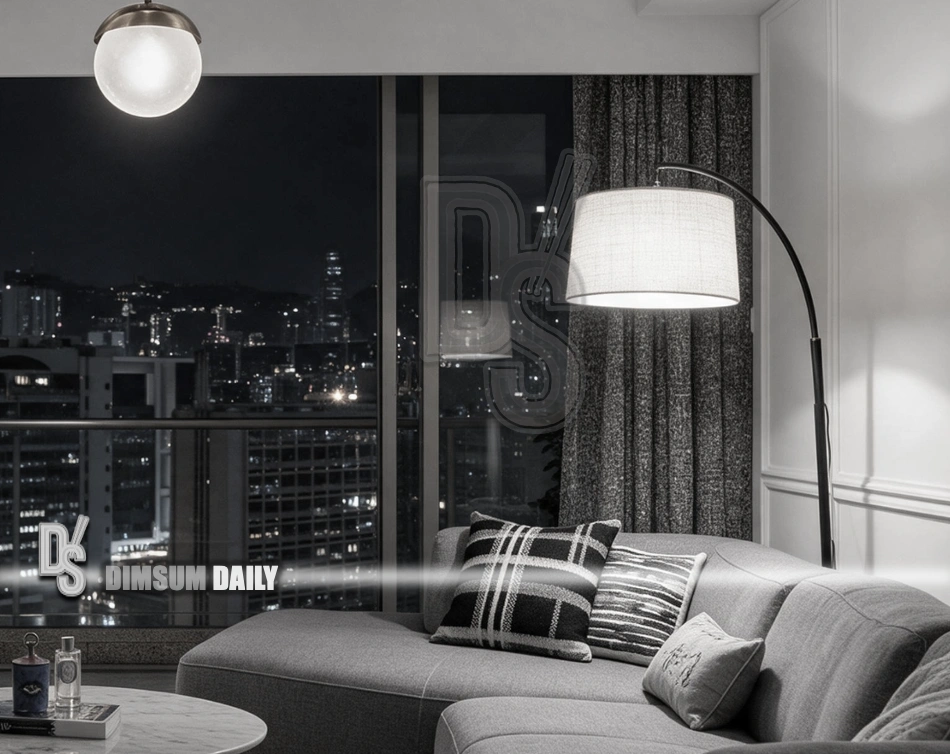
Specialists recommend creating layered schemes rather than relying on a single overhead fitting. In living rooms, warm, dimmable LEDs around 2700K for the main ceiling light, complemented by even warmer table, floor and wall lamps in the 2200K–2700K range, produce inviting pools of light at different heights while keeping glare in check. Dimmer switches are invaluable for tailoring mood from daytime activity to evening relaxation. Luke Thomas, Design Director at John Cullen Lighting, has long advocated layered, warmer lighting to bring depth and comfort to domestic interiors.
Bedrooms benefit from alternatives to the “big light”. Bulbs close to 2700K keep things cosy without tipping into yellow, while “dim‑to‑warm” LEDs help a space transition from bright and functional to intimate as night falls. For bedside reading, aim for a warm 2200K–2700K source directed at the page rather than lighting the entire room, and avoid cooler tones around 4000K that can feel harsh when winding down.
Kitchens demand clarity for food preparation and cooking, so a slightly cooler 3000K suits task lighting over worktops. Where colour accuracy matters — from ingredients to finishes — choose a high colour‑rendering option with a CRI of 90 or above so hues appear natural rather than flat. Adjacent dining areas, however, can switch to warmer accent light in the evening: 2700K is a reliable baseline, with some schemes dipping to 2200K or even approaching candle‑like 1800K for atmosphere.
A home office should feel crisp without being clinical. A general 3000K bulb keeps the ambience fresh, complemented by a desk lamp delivering roughly 600–800 lumens and a CRI of 90+ to maintain comfortable, accurate colour for paperwork and screens. As with the rest of the home, dimming and good placement matter as much as the bulb itself.
Designers also warn against fixating on wattage, which only reflects energy use rather than light output. Instead, select bulbs by lumen level for brightness and kelvin value for warmth, then fine‑tune with dimmers and layered positions. Bruce Weil, co‑founder and lighting designer at Lighting Design Studio, similarly underscores the role of dimming and careful task lighting to let rooms adapt throughout the day.
The takeaway is straightforward: choose warmer tones for comfort spaces, clearer light for tasks, high colour rendering where fidelity counts and, above all, build layers you can adjust. A handful of informed bulb swaps can deliver an instant, season‑ready glow without changing a single fixture.