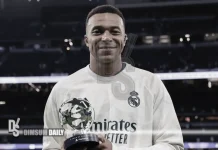


















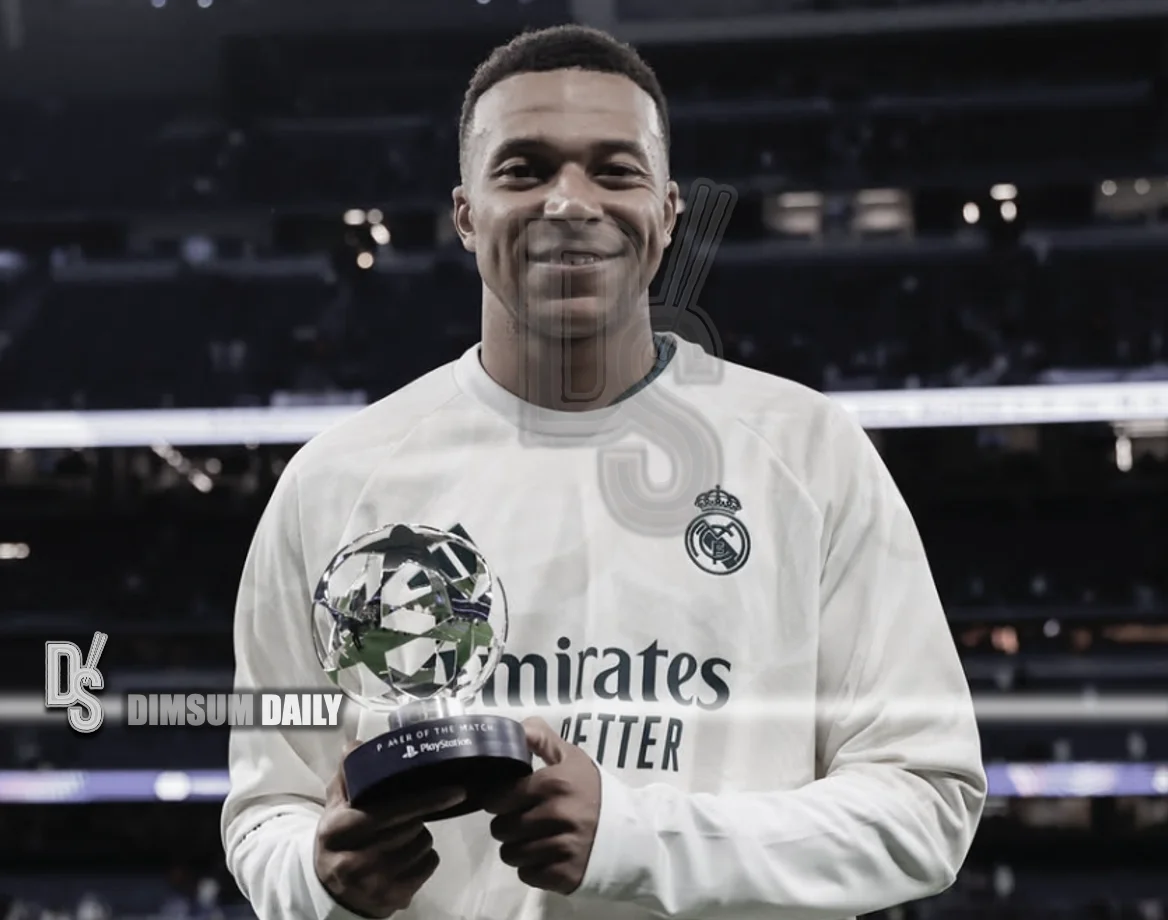
27th October 2026 – (Paris) France captain Kylian Mbappé apologised to Chinese fans after a viral clip showed him referring to an image of himself superimposed on Mao Zedong as a “Chinese dictator”, prompting an immediate backlash in the country. In a statement, the Real Madrid forward acknowledged the comment was “ill‑judged” and said he now understood it had caused offence to people in China and Chinese communities worldwide.
The fallout was swift across the commercial landscape. Dongpeng Beverage — also known internationally as Eastroc — and dairy giant Mengniu ended partnerships with Mbappé, while cheese producer Milkground also terminated cooperation, each citing zero tolerance for actions that hurt national sentiment. Related topics tied to the sponsorship exits surged to the top of Weibo’s trending lists as the controversy widened.
The repercussions extended into sport’s broadcast arena. China’s state broadcaster suspended all LaLiga match coverage and removed advertising featuring the player, according to local media cited by international outlets. LaLiga and its president Javier Tebas issued a public apology to Chinese fans, stressing that the remarks were made in a personal capacity and reaffirming the league’s respect for China and its supporters.
Mbappé’s commercial affiliations beyond China also came under scrutiny as observers assessed potential knock‑on effects for partners including Swiss sportswear firm On, hotel group Accor and Lego. Analysts and industry figures noted the incident underscored the reputational risks for global celebrities and brands in China, where satire involving Mao — the country’s founding leader, who ruled from 1949 until 1976 — remains a social taboo.
While Real Madrid declined to comment publicly, Chinese state and party‑aligned media signalled that apologies would be judged by subsequent actions. On Chinese social platforms, reactions ranged from calls for blacklisting to more conciliatory appeals to “listen to what he says, and more importantly, watch what he does”, reflecting a tense mix of consumer sentiment and official messaging as the situation evolves.