





















27th October 2026 – (Hong Kong) An officer who forced his way into a Tai Po village flat told the High Court that human tissue and fat were floating on the surface of a bathroom tub – one of a chain of finds that left police believing they had walked into a murder scene in the Abby Choi case.
Socialite Abby Choi’s former brother-in-law Anthony Kwong Kong-kit, 35, a driver; former father-in-law Kwong Kau, 69, who is retired; and former husband Alex Kwong Kong-chi, 32, who is unemployed, are charged with murdering her in Hong Kong on 21st February 2023 and with preventing the lawful burial of her body between that day and the 23rd. All three deny murder; Anthony and Alex have admitted the burial count, which Kwong Kau denies.
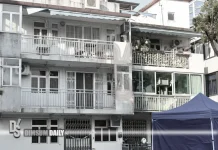
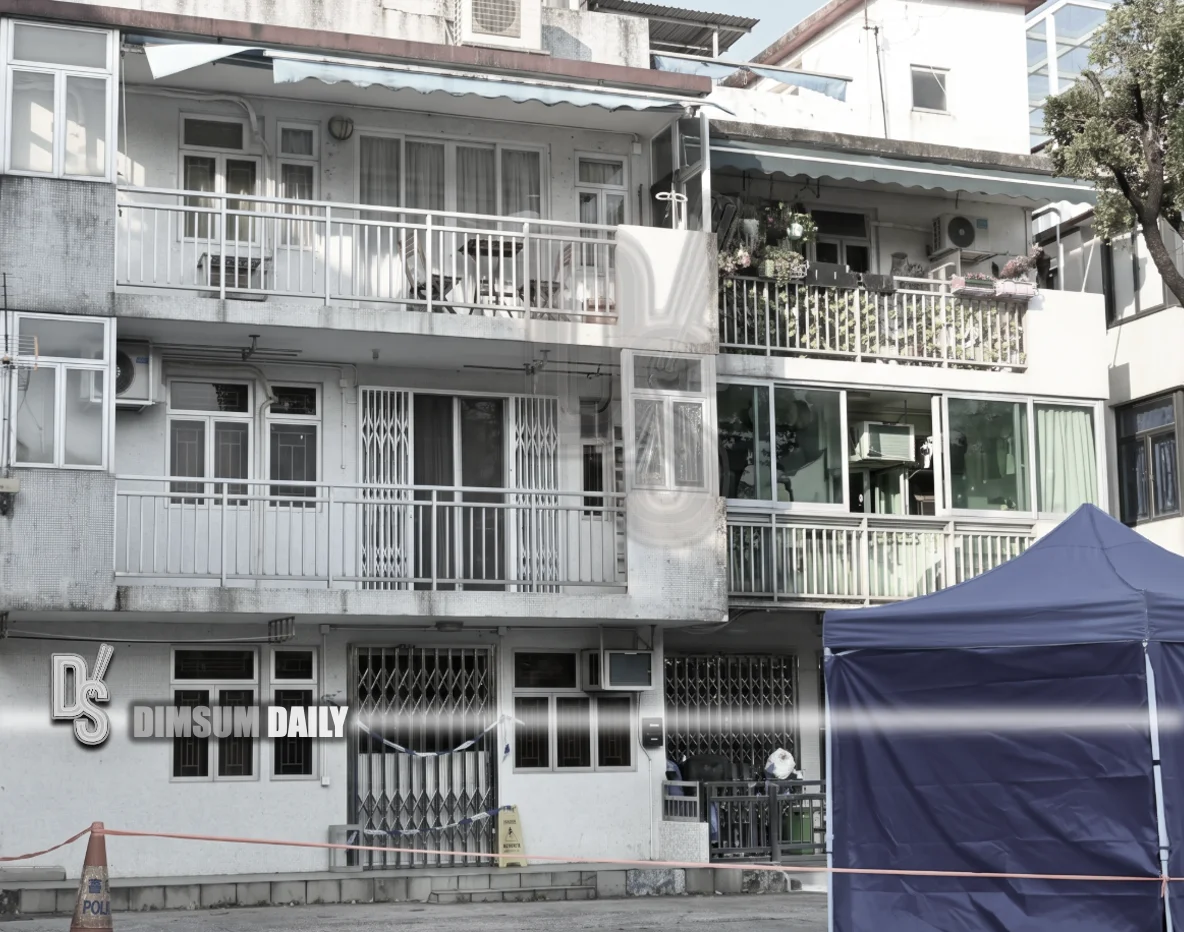
Officer Chan Wai-hung said that on 24th February 2023 he was told a seven-seater that had carried Choi had been seen at Lung Mei Village in Tai Po. Believing the unit might have been used to hide her body, he and colleagues went there. Another private car was parked at the door; the front door was locked, so police broke in. Every window was covered so that nothing inside could be seen from outside.
At first, Chan said, nothing seemed out of place. The living room held a dining table, a sofa and a fridge. He then forced a bedroom door. On the floor of the first room sat a clear plastic box under a blue tent; through it he could make out a chopping board with meat and offal on the board and inside the box. An electric saw stood in front of the box. Windows were sealed and blue-and-white striped canvas ran from floor to wall. On the living-room floor a black plastic bag held a pink handbag with a broken strap and bloodstains. Two pairs of blue slippers sat before the sofa. A second room held nylon and hemp rope.
Suspicion grew when he saw a black face mask and sheets of canvas. “A normal home wouldn’t have face masks, wouldn’t have so much cloth,” he told the court. A strong fragrance – the sort used in toilets – filled the flat. In the bathroom, two dark blue raincoats hung by the toilet wall beside a black mask. In the shower stall, a rectangular tub held human tissue and fat floating on the surface. In the kitchen, large and small silver soup pots sat on the cooker; through one clear lid he glimpsed orange liquid, while the other lid stayed shut. Opening the fridge, he found two black refuse bags, each containing a human foot or leg remnant. He at once reported up the chain and asked for the scene to be sealed, convinced it could be a murder site.
Photo albums in court confirmed items he or colleagues recovered, including a ball-peen hammer, two rolls of tape, cable ties and cling film. Another electric saw was found in the bathroom, with bone soaking in water. Laboratory staff later took blood samples from beside the silver pots; the contents went to the mortuary for pathologists because Chan believed they held human remains, and officers feared opening them on site would destroy evidence. Under cross-examination by Trevor Beel, counsel for Anthony, Chan said more than 50 officers came to the village that day but only five entered the flat, with him leading the search – living room first, then the locked master bedroom broken open by a colleague, then the smaller room, toilet and kitchen, and finally the fridge and the legs. He agreed he had not expected to find what he described inside a Lung Mei home.