
























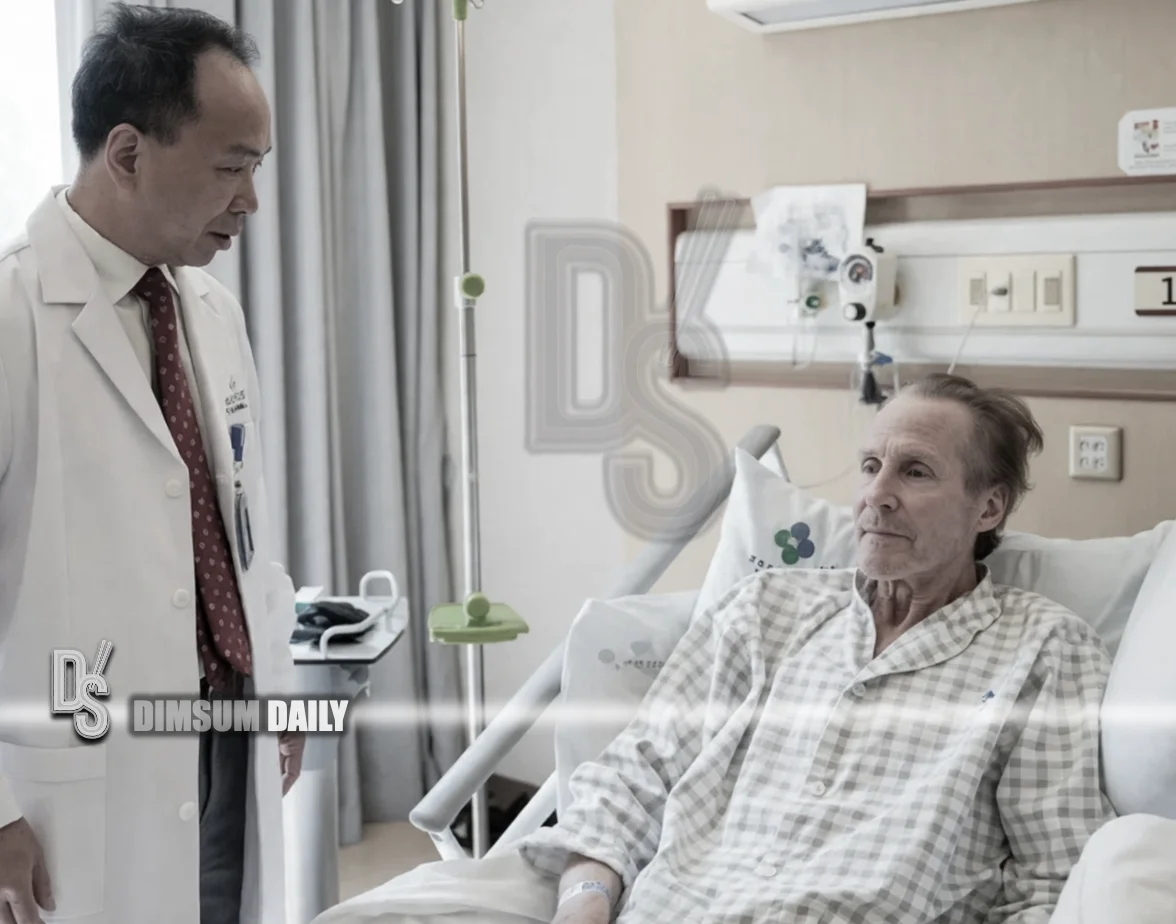
2nd November 2026 – (Shenzhen) An American man with end-stage gastro-oesophageal junction adenocarcinoma has been discharged from The University of Hong Kong-Shenzhen Hospital after a course of Claudin18.2-targeted CAR-T cell immunotherapy — a solid-tumour product cleared in China but not by the US Food and Drug Administration.
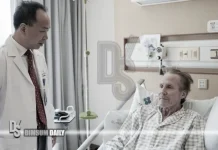
According to Shenzhen health authorities, Larry, from Los Angeles, had already been through surgery, neoadjuvant treatment, multiple rounds of radiotherapy and chemotherapy, and targeted drugs, with poor results and metastatic disease. When every option available to him in the United States had failed, his wife Jamie looked more than 11,000 kilometres away to Guangdong’s Shenzhen as a last hope.
In June, the National Medical Products Administration approved what it called the world’s first CAR-T cell therapy product for solid tumours. Larry then entered the hospital’s International Medical Centre for that regimen. The case follows other high-profile cross-border cancer journeys, including a US woman with little time left under American care who later lived about 19 months on an innovative China-made anticancer drug.
Hospital vice-president and oncology centre professor Dr Hongming Pan said Larry’s case posed three difficulties: gastro-oesophageal junction cancer with peritoneal spread is hard to treat and carries a grim outlook, with literature citing median survival of about three to six months; disease kept progressing after many lines of therapy, leaving few conventional choices; and abroad there was still no approved Claudin18.2 CAR-T product for solid tumours.
Jamie’s search helped open the door. Rather than googling “stomach cancer” alone, she combined her husband’s biomarkers with the cancer type and hit on Claudin18.2 — the keyword that steered the couple to China for the new option.
Pan explained that the treatment draws the patient’s own immune cells, engineers them with receptors aimed at Claudin18.2, expands them outside the body and returns them by infusion so they can recognise and kill tumour cells expressing that target. Larry received the reinfusion on 29th September. He developed fever and swelling in the lower limbs among other reactions; about 10 days later his condition stabilised again.
Follow-up checks showed the tumour marker CA19-9 falling from 8,200 U/mL before infusion to 57.6 U/mL, with the tumour markedly smaller and approaching complete remission. Pan called approval of the domestic solid-tumour CAR-T product a milestone for digestive-tract cancer care, filling a blank in cellular immunotherapy for late, refractory solid tumours.
He stressed that use must rest on precise target matching through standard pathology and multidisciplinary assessment to select suitable patients, and that cell therapy carries adverse-reaction risks that demand centres with mature rescue capacity if treatment is to stay safe and effective. For Larry, that pathway — unavailable under US FDA clearance — ended in a Shenzhen discharge after the China-approved course.