





























2nd November 2026 – (Tokyo) Japanese wire services and tabloids have blanketed coverage of DJ Mao Hamasaki’s suspected drink-spiking collapse in Tsim Sha Tsui, and social platforms in Japan have lit up with fury, worry and bitter argument over who failed whom.
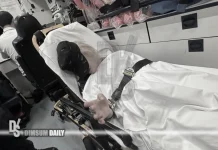
The former adult-film star, who left that industry two years ago and now works as DJ Mao, took a Hong Kong identity card in April and has been shuttling between the city and Japan for decks and entertainment work. In the early hours of 1st November, after Halloween nightclub duties, she was allegedly given laced drinks at a private suite, convulsed, hallucinated and tested positive for four substances — cocaine, ecstasy, a methamphetamine nicknamed “five” and “Happy water” — before a spell in intensive care.
She posted on Threads that she had been spiked at work. Her manager, Mak, said a big-spending guest pressed them to keep performing in a private room after the paid set. They usually refuse such bookings, the manager said, but soft-pedalled after assurances they would watch her and talk of making friends. Penalty games followed; she lost and drank. The manager thought the glass was an ordinary cocktail. She finished her set, then collapsed, seized and could not move.
By evening she updated that she was conscious again, though doctors wanted her kept in for observation. She apologised for the alarm, stressed that the Tsim Sha Tsui nightclub’s responsible person was not tied to the private-suite incident, and said her manager had only shouted in panicked defence of her. Hong Kong police were investigating; she would say no more on the details.
Kyodo News, Nikkan Sports, Bunshun Online, FNN News and Jiji Press were among Japanese outlets that carried the story, feeding a fast wave of Japanese online comment. Many branded open night-scene spiking as already close to attempted murder and demanded the culprit be found and punished harshly. Fans begged for her recovery without lasting harm and asked why such a “good girl” had been hit.
Others argued that nightclubs anywhere demand constant caution. Some said the spiker bore most of the blame yet still faulted her crisis sense for accepting a guest’s drink; several directed sharper fire at the accompanying manager for taking the private gig after a few soft words — asking whether protecting the artist was not the job. Practical reminders piled up: never re-drink a glass left unattended, refuse drinks offered by strangers, and treat clubs as grey-zone spaces whether in Japan or overseas.
Crueler threads pinned the attack on her former adult-film career, sneering that pity was wasted and that her past invited danger. A counter-chorus pushed back that no former job excuses poisoning someone, and that lecturing the victim first turns the story upside down.