




























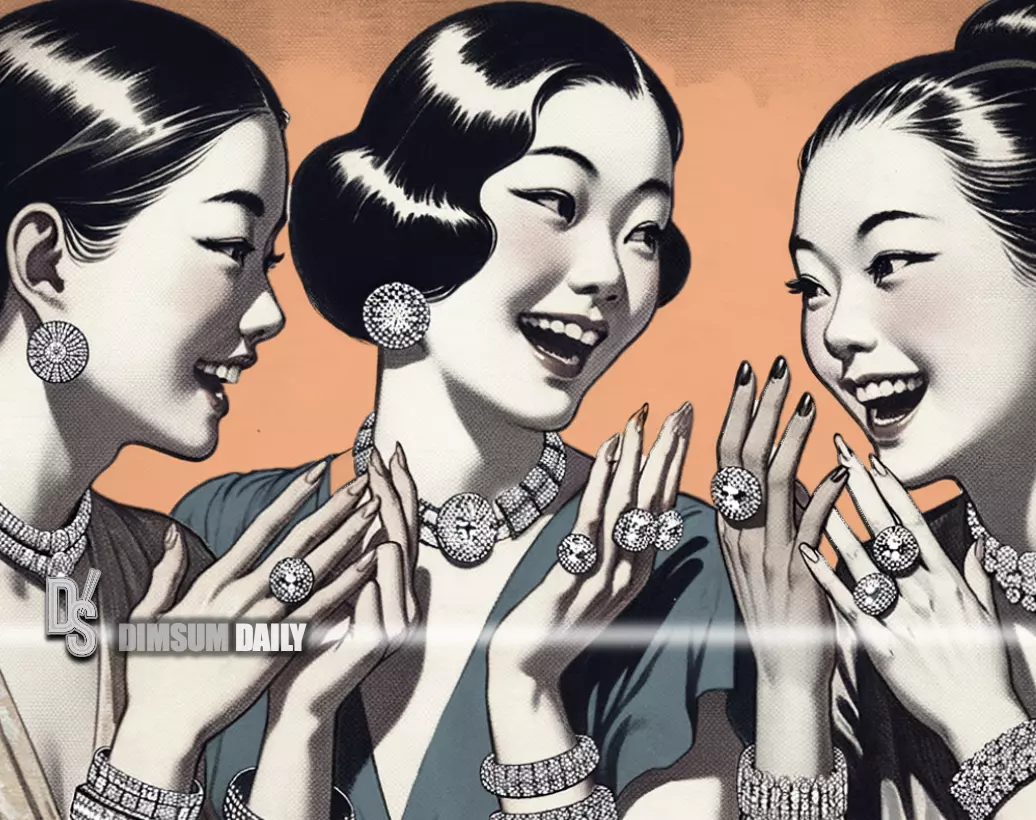
8th January 2024 – (Hong Kong) Lab-grown diamonds have rapidly gained market share in recent years, revolutionising the global diamond jewellery industry. Advancements in production technology have enabled manufacturers to create high-quality diamonds indistinguishable from mined diamonds at a fraction of the cost. As lab-grown diamonds become increasingly prevalent, their disruptive potential raises complex questions about the future of the traditional diamond sector reliant on naturally formed gems.
In Hong Kong, views remain mixed among women regarding lab-grown versus natural diamonds, especially for engagement rings carrying deep emotional significance. Many still cherish natural diamonds as unique creations conveying everlasting commitment. The marketing power of the “A Diamond is Forever” ideal also retains allure for women desiring the romance and prestige conveyed by mined gems. Nonetheless, pragmatic Hong Kong women increasingly opt for affordable lab-grown diamonds for daily fashion jewellery unconstrained by tradition. Their choice satisfies stylishness and ethical sensibilities simultaneously. Ultimately, personal preferences rule, as some prioritise environmental sustainability while others value natural diamonds’ enduring mystique. Hong Kong women enjoy the newfound freedom to ponder their own values in selecting between these parallel diamond worlds.
The meteoric rise of lab-grown diamonds reflects their compelling advantages for consumers. Most critically, laboratory production spares them the ethical concerns long surrounding the diamond trade. By avoiding reliance on mining, lab-grown diamonds prevent the environmental harms and potential human rights abuses associated with extracting natural diamonds. This appeal strongly resonates with socially conscious millennials and Gen Z representing the industry’s future customer base.
Furthermore, the controlled manufacturing process allows producers to grow diamonds faster and with greater precision than natural formation, yielding significant cost savings. Average prices for lab-grown diamonds stand at only 10-30% of equivalent mined diamonds. This affordability extends diamond jewellery to broader demographics while retaining the dazzle and craftsmanship of natural stones. Market data reveals steady growth in lab-grown diamond sales complementing enduring demand for mined diamonds.
However, the lab-grown diamond boom has sparked apprehensions within the traditional diamond sector. Critics allege that increased synthetic diamond production could flood the market and devalue natural diamonds. So far, such concerns appear overstated – natural diamond prices have remained stable as lab-grown diamond jewellery caters more to fashion rather than engagement ring sales. Nonetheless, the new technology’s long-term disruptive capacity remains untested.
Alarmists warning of a collapse in natural diamond prices neglect key market distinctions. Mined diamonds possess inherent value from their geological antiquity and uniqueness that synthetic diamonds still struggle to replicate. This retains its prestige for high-end jewellery and as cherished heirlooms. The natural diamond industry should therefore highlight these differentiators to reinforce consumer recognition of their authenticity and enduring romantic symbolism.
Additionally, prominent jewellers must continue improving industry practices regarding environmental impact and labour rights. Maintaining stringent ethical sourcing standards and transparency will further cement natural diamonds’ competitive edge. Communicating such values can attract conscientious consumers willing to pay a premium for responsibly sourced gems with unique natural origins.
More critically, the traditional diamond establishment needs to acknowledge production innovations as integral to the industry’s future health. Lab-grown diamond technology holds immense potential to expand jewellery’s availability and transform manufacturing. Savvy producers are already exploring integrating lab-grown diamonds into their inventory in complementary rather than competitive ways. This pragmatism eschews a zero-sum mindset to uncover synergies benefiting all players.
Once deemed impossibly precious, diamonds today enjoy broadening accessibility propelled by rising living standards and production breakthroughs. Market trends must evolve with the times to align with contemporary consumer values. Amidst changing generational attitudes, the natural diamond industry retains a vital role in satifying demand for rare luxury gems. However it must adapt pricing and marketing strategies to its new lab-grown reality.
Both sides share the responsibility to expand diamonds’ allure sustainably and ethically. With vision and cooperation, they can enrich the magnificent heritage of diamond jewellery that has captivated humankind for centuries. Lab-grown diamonds are not an existential threat but an opportunity to extend diamond fashion to wider audiences. By capitalizing on complementary strengths, the parallel sectors can advance together.
The natural diamond industry holds key advantages if it stays true to its core strengths – uniqueness, tradition and romanticism. But it must also infuse modern sensibilities around sustainability and fairness. Maintaining public trust and high value depends on upholding rigorous ethical practices even amidst lab-grown competition. The wise path entails co-opting technology as an asset rather than regarding it as an adversary.
Uncertainties persist regarding future market balance as both sectors scale up production. But alarmist warnings of lab-grown diamonds destroying natural diamond demand seem excessive. With pragmatic accommodation, these parallel worlds can co-exist and mutually gain. Their symbiosis promises benefits outweighing corrosive rivalry. All sides share an interest in expanding diamonds’ allure as an enduringly treasured gemstone.