






























 has unveiled enhanced crowd control and enforcement measures ahead of the five-day Labour Day “Golden Week” holiday beginning on 1st May, as visitor numbers are expected to surge at popular countryside and coastal destinations.)
29th April 2026 – (Hong Kong) Hong Kong’s Agriculture, Fisheries and Conservation Department (AFCD) has unveiled enhanced crowd control and enforcement measures ahead of the five-day Labour Day “Golden Week” holiday beginning on 1st May, as visitor numbers are expected to surge at popular countryside and coastal destinations.
The department has urged the public to prioritise personal safety, follow posted signage and remain on designated, maintained trails within country parks. Visitors are warned not to climb over barriers or approach cliff edges, steep slopes or exposed coastal areas for photographs. Authorities stressed that safety must take precedence over shortcuts or social media images.
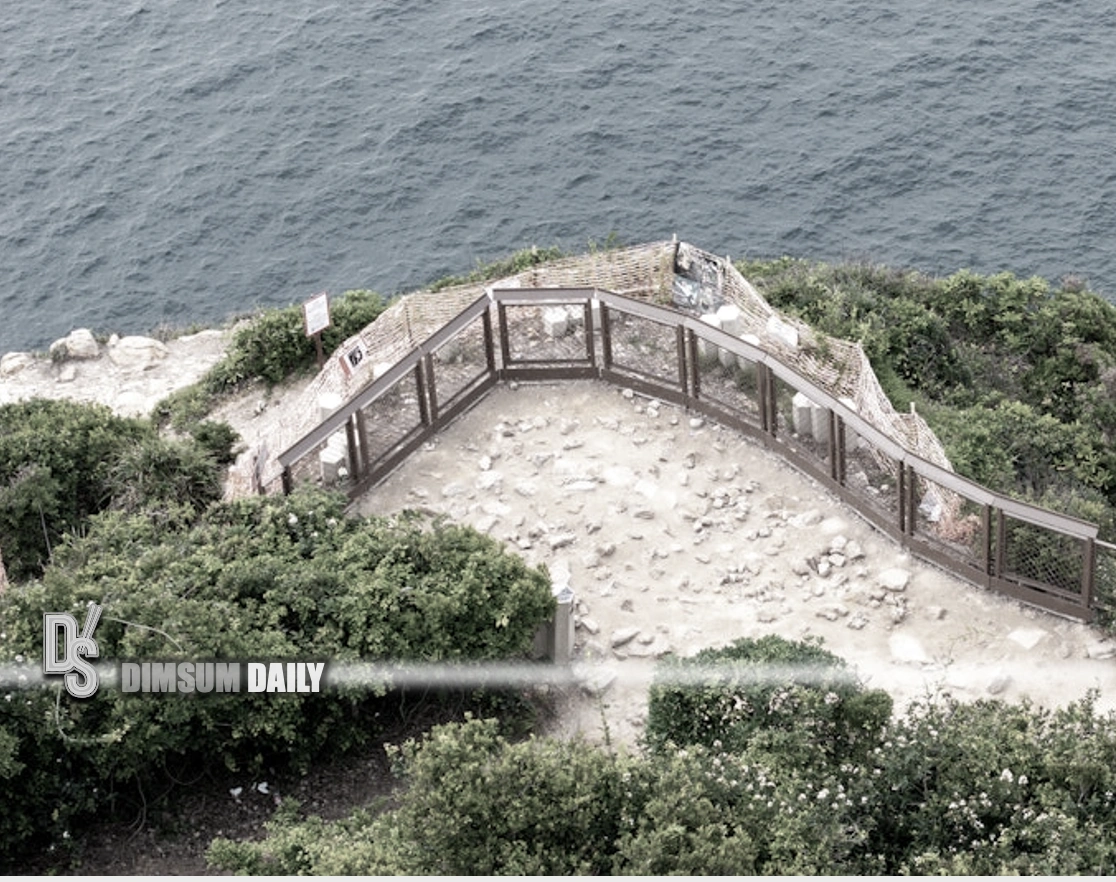
At Po Pin Chau near the East Dam of High Island Reservoir in Sai Kung, additional fencing has been installed at the viewing platform to deter visitors from venturing into hazardous areas beyond the railings. The works were completed in coordination with the Architectural Services Department. During the holiday period, drones equipped with loudspeakers will conduct aerial patrols, broadcasting warnings to anyone attempting to cross safety barriers. Extra staff will also be deployed daily to patrol and take enforcement action where necessary.
If overcrowding becomes severe, temporary access controls may be introduced at the entrance to the Po Pin Chau section of the High Island Geo Trail to prevent excessive congestion along the viewing platform and surrounding footpaths. Real-time visitor updates will be published on the department’s enhanced “Enjoy Hiking” website to help the public plan their trips.
The AFCD has also stepped up management arrangements at popular campsites in Ham Tin Wan, Sai Wan and Long Ke Wan. Officers will conduct round-the-clock patrols, supported by drones and closed-circuit television, to monitor conditions and tackle rule breaches. Educational efforts on hiking safety, environmental protection and proper camping etiquette will be intensified, alongside strengthened cleansing and waste management services.
In response to recurring hygiene problems at Ham Tin public toilets after long holidays, additional food waste strainers will be installed outside the facilities. A pilot scheme will also provide small stove frames for campers at Ham Tin and Sai Wan to promote cleaner cooking practices and reduce environmental impact.
On Sharp Island (Kiu Tsui Chau), where coastal areas are not designated as country parks or marine protection zones, officers will focus on public education and active patrols. Visitor counters have been set up at the pier, while drones will monitor beaches and nearby coastal waters. Patrols will run daily from around 9am to 6pm, particularly during ferry arrival times and low tide, when ecological disturbance risks increase.
Frontline staff will intervene immediately if they observe behaviour that may damage the marine environment, including collecting sea life, feeding or disturbing marine species, or entering the water in coral-rich areas. Joint patrols with the Food and Environmental Hygiene Department will target littering, while marine operations with the Marine Department and police will maintain order offshore.
The department is collaborating with WWF Hong Kong to set up educational booths on beaches to promote marine conservation messages. Snorkelling and kayaking guides will patrol nearshore waters to advise visitors to follow designated coral-friendly entry and exit routes, helping to prevent accidental damage to reefs.
Similar monitoring measures will be implemented at Shui Hau on Lantau Island, where visitor counters and drone patrols will oversee beach and coastal activity. Public education campaigns, organised in partnership with the Ocean Park Conservation Foundation Hong Kong, will include information booths and leaflets highlighting the protection of horseshoe crabs and fragile shoreline ecosystems.
The AFCD also reminded the public not to climb trees, harass wildlife or cause nuisance to other visitors. Under the Forests and Countryside Ordinance, anyone who unlawfully fells, cuts, burns or destroys trees may face a maximum fine of HK$25,000 and up to one year’s imprisonment upon conviction.