




























14th September 2026 – (Beijing) Australian athlete Joanna Wietrzyk won the women’s elite race at the Hyrox Beijing stop on 12th September in 1 hour, 1 minute and 23 seconds, yet her performance became secondary to a mid‑course bout of acute faecal incontinence that she endured while continuing to the finish. Images and clips shared widely showed visible soiling on her legs and on shared equipment, sparking heated debate over hygiene standards at the venue and whether race officials should have intervened sooner.
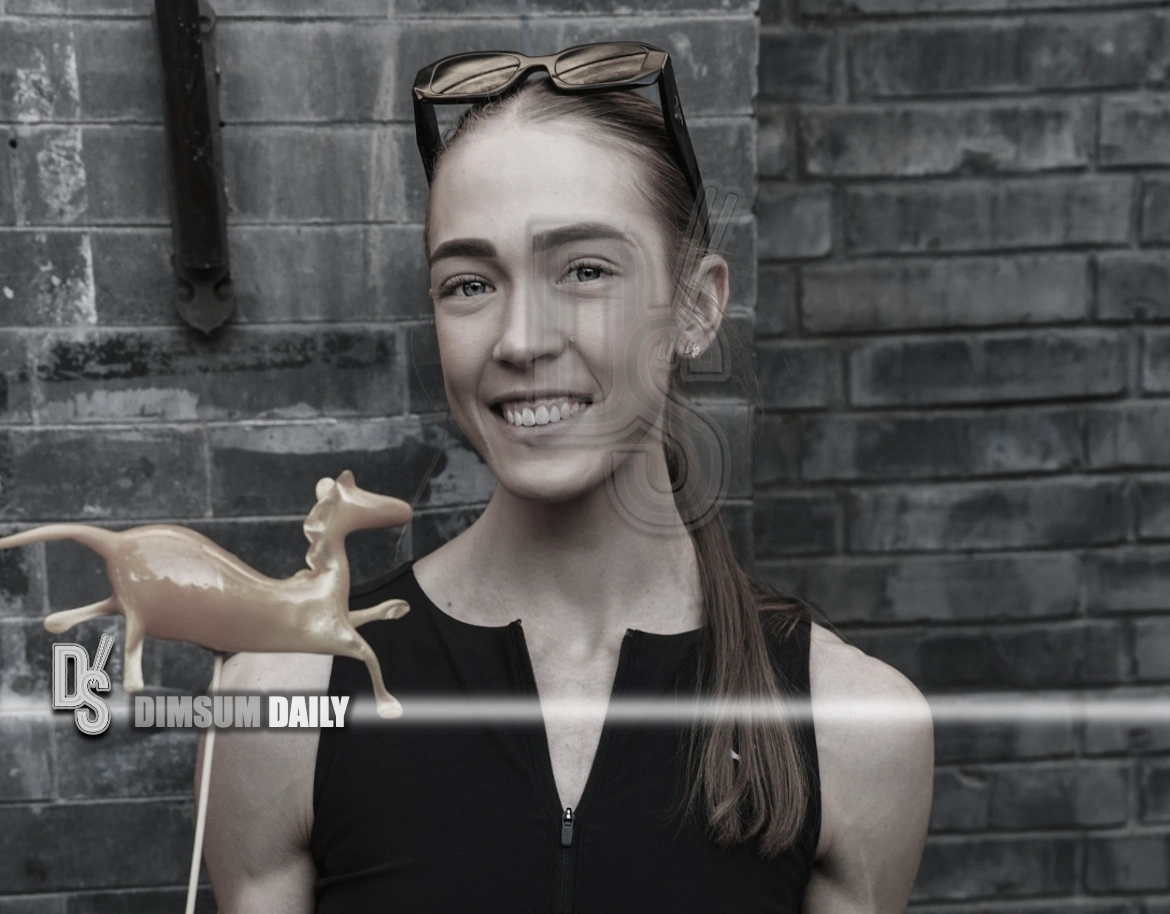
Much of the reaction focused on what she ate and drank in the capital in the hours and days before the event. Reports circulating online said her itinerary featured a taste of douzhi, a traditional fermented Beijing soy drink known for its strong flavour and, for some visitors, unsettling gastrointestinal effects, alongside stops for sugar‑figurine crafts, hutong walks and praise for classic Peking duck. As discussion intensified, many commenters attributed her distress to the fermented drink and claimed it likely triggered the loss of bowel control mid‑race.
There is, however, no confirmed medical link between any pre‑race tasting and the incident. Neither the organiser nor the athlete has released a clinical explanation for the diarrhoea or incontinence, and no laboratory evidence has been presented, leaving the soy‑drink theory as speculation rather than an established cause. Nonetheless, the swirl of claims kept attention fixed on pre‑race nutrition choices and risk management for athletes competing under travel and schedule pressures.
The episode fed broader criticism of race management. Contamination on the carpeted track and communal gear prompted public‑health concerns, while questions of fairness mounted after a mainland competitor reportedly received a two‑minute penalty for water splashing onto the face, yet Wietrzyk faced no time sanction and was not stopped. Spectators and fellow athletes queried why the contest proceeded on a soiled surface when lesser spills had already drawn penalties, and called for clearer protocols on when to pause, cordon off or reset stations.
Hyrox China later said staff had isolated the affected zone promptly, would replace sections of the carpet and would carry out deep cleaning and disinfection of the venue. Commentary on national sports programming also argued that competitive grit must not override public hygiene or the rights of other participants, urging organisers to tighten end‑to‑end risk control, emergency responses and rule clarity for physiological incidents. The debate has, in turn, revived attention on pre‑race diet and local specialities that may not agree with all visitors, with coaches and medical professionals advising athletes to avoid unfamiliar fermented foods close to competition and to follow conservative nutrition plans when travelling.
CCTV Sports, in commentary aired on its Sports Morning programme, added that competitive grit must not override public hygiene or the rights of other participants, urging organisers to tighten end‑to‑end risk control, emergency responses and rule clarity for physiological incidents, while coaches and medical professionals reiterated advice for travelling athletes to avoid unfamiliar fermented foods close to competition and to follow conservative nutrition plans.