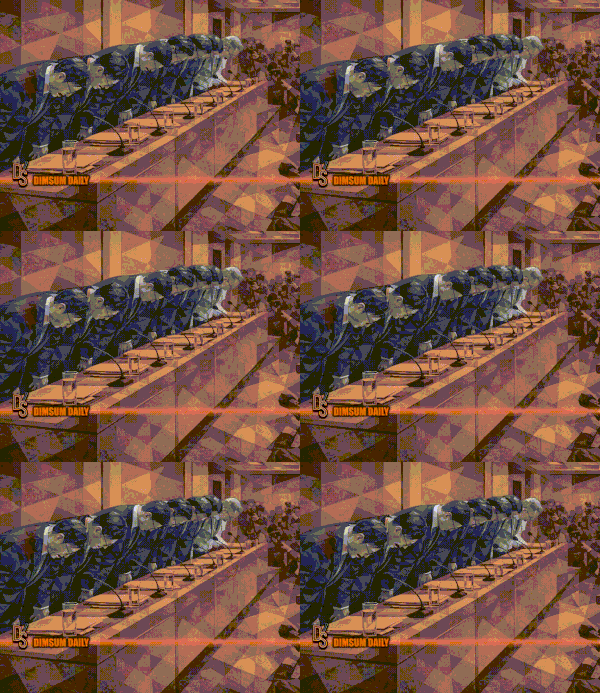

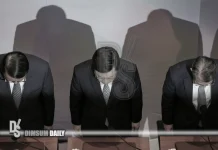






















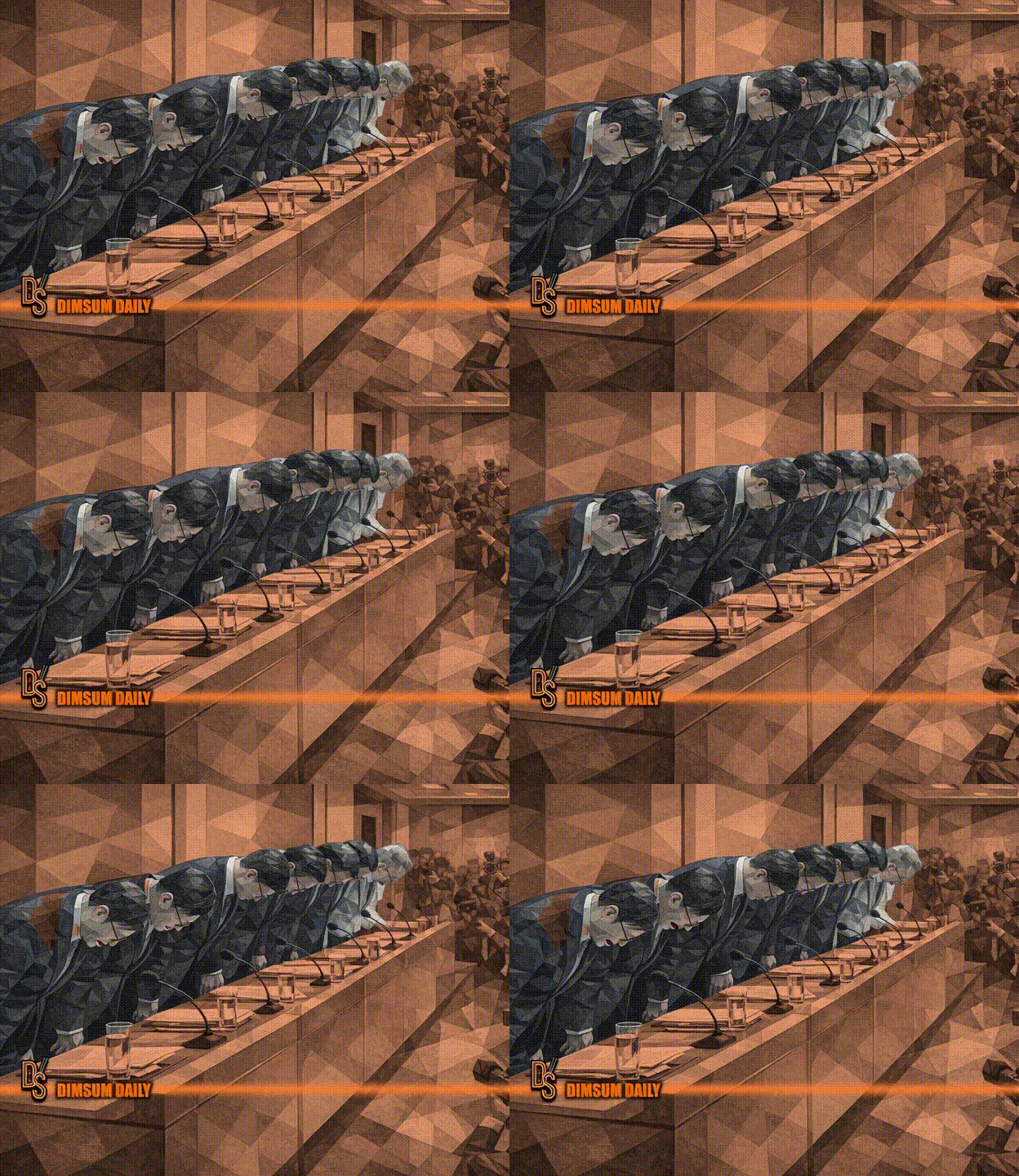
29th October 2026 – (Hong Kong) At the start of Thursday’s press conference, Chief Executive John Lee said he was “deeply sorrowful” about the Wang Fuk Court fire. On behalf of his government, he apologised to the victims and to the people of Hong Kong. Then he stood and bowed. Seven principal officials bowed beside him: Chief Secretary Chan Kwok-ki, Financial Secretary Paul Chan, Secretary for Justice Paul Lam, Deputy Financial Secretary Michael Wong, Security Secretary Chris Tang Ping-keung, Labour and Welfare Secretary Chris Sun and Development Secretary Bernadette Linn. One name was missing from the row. Housing Secretary Winnie Ho had resigned the day before.
Hong Kong’s officials have long struggled to apologise. After the chaotic opening of the new airport in 1998, Anson Chan offered only “regret” and apologised “without reservation” four months later. Frederick Ma bowed at 90 degrees over the penny-stock fiasco in 2002, the first political appointee under the accountability system to do so. After the Lamma ferry collision killed 39 people in 2012, the Director of Marine apologised eight months later. When the lead-in-water report landed in 2016, Carrie Lam declined to apologise, saying she could not see any official who bore personal responsibility. For years an apology was treated as a legal admission to be put off for as long as possible.
Thursday broke that pattern. The apology came on the same day the report was released, before the civil service inquiry had interviewed a single officer. When a government apologises at that stage, it shows it has read the findings before preparing a defence.
Those findings are serious. The independent committee’s report runs to 16 chapters and almost 1,200 pages. It concludes that the fire was most likely started by a glowing source, probably a cigarette, which ignited paper materials on an estate under renovation. The scaffolding nets were not fire retardant. Flammable foam boards covered windows for long periods. Paperwork was falsified to “feign compliance” with regulators. Prestige Construction & Engineering, Will Power Architects and registered inspector Wilson Ng received “the most severe criticisms”.
A less careful government could have stopped there and left the blame with the private sector. The report would have allowed it. However. the committee also wrote of “decades of failure” by government bodies. It said that if departments had possessed a “sense of crisis” and “paid sufficient heed” to possible misconduct, the hazards could have been fixed. Mr Lee did not dwell on the first finding and skip the second. The bow was his answer to the second.
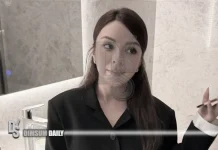
That leads to Winnie Ho. The accountability system exists so that a political cost is paid at the top when a system fails underneath. Someone had to pay it, and it fell to her. In her statement, she said she was willing, as Secretary for Housing, to take political responsibility. She did not claim innocence and she did not point at anyone else. She has been a public servant since 1992. She started as an architect, rose to direct the Architectural Services Department and in 2022 became the city’s first Secretary for Housing. She drove the programme of 30,000 Light Public Housing flats. Hong Kong is losing a capable official. That is what makes her resignation meaningful. Political responsibility is not a finding of personal guilt. It is the price of holding office when the machinery below you failed. It is hard on her, and the system is meant to be hard.
Next comes the less visible work. Secretary for the Civil Service Ingrid Yeung and Public Service Commission Chairman Maisie Cheng have set out a three-month administrative inquiry. Around 100 government staff will be interviewed and up to 50 may become subjects of investigation. Ms Cheng will chair the panel with commissioners Ann Kung and Wong Koon-man, supported by a dedicated office that includes staff with investigative experience. Any civil servant who oversaw fire risk or engineering works at Wang Fuk Court can be called, whatever their grade or seniority.
Three details stand out. The first is the timetable. The comparable inquiry after the Lamma collision took nine months, and this one has three. The second is due process. Officers facing hearings can present evidence, defend themselves and hire lawyers. Those who admit the allegations can submit written mitigation instead. The third is about officers who have already retired. Pensions can be withheld entirely where dismissal is warranted. Where an officer is forced into retirement, reduced benefits and Provident Fund deductions apply. Staff who have left cannot be compelled to attend, but meeting minutes, project files and former colleagues can still reconstruct what happened. So retirement offers no escape from accountability.
Reform is moving in parallel. The report found “widespread, systematic and long-standing” unlawful practices in the construction sector, including bid-rigging, some of it tied to local mafias. Mr Lee has promised to make bid-rigging a crime punishable by long jail terms and heavy fines. The housing bureau unit responsible for independent checks will be replaced. Officials are considering drones with infra-red cameras and AI to catch smokers on construction sites. These measures go beyond Tai Po. Hong Kong has many ageing towers much like Wang Fuk Court.
Wang Fuk Court housed about 4,600 people, nearly four in ten of them aged 65 or over. Many of the 168 dead were elderly. Firefighter Ho Wai-ho was 37. No report can return them. What a government can offer is an answer to two questions: what happened, and who will answer for it. On Thursday, the first question received a 1,200-page answer, and the second began to receive one. The Liaison Office called it responsible governance, and the description is fair.
The final test is three months away, when the panel reports and the names and penalties are made public. If the follow-through matches the bow, Thursday will be remembered as the day Hong Kong stopped treating an apology as an admission and started treating it as the first step towards accountability.