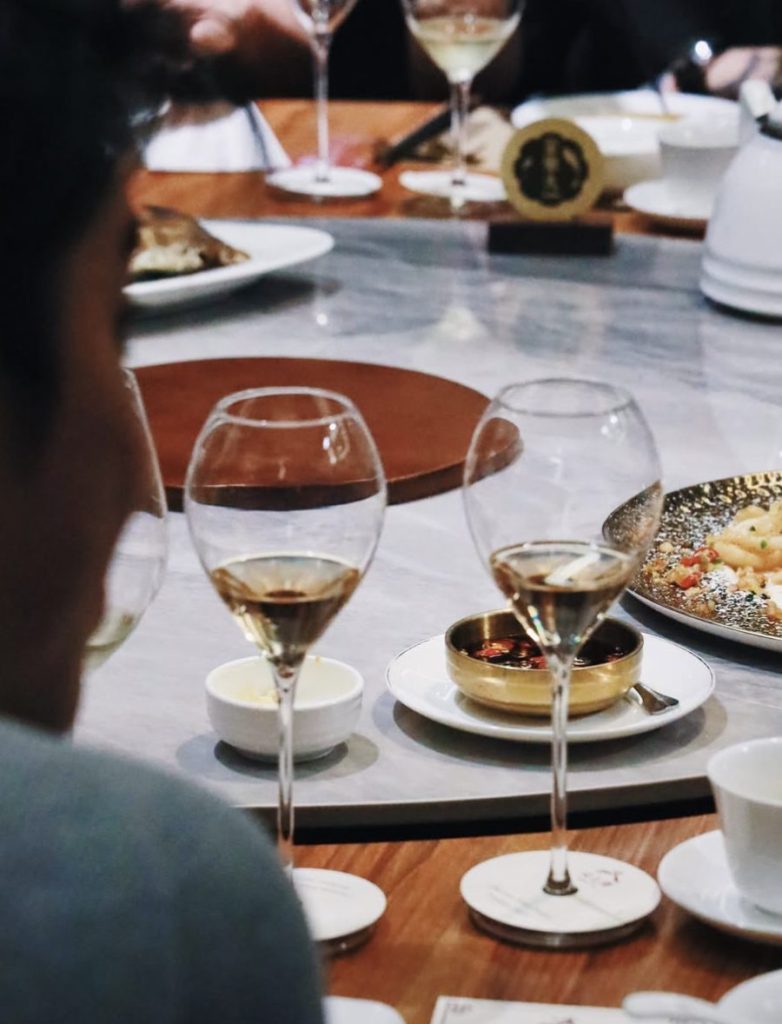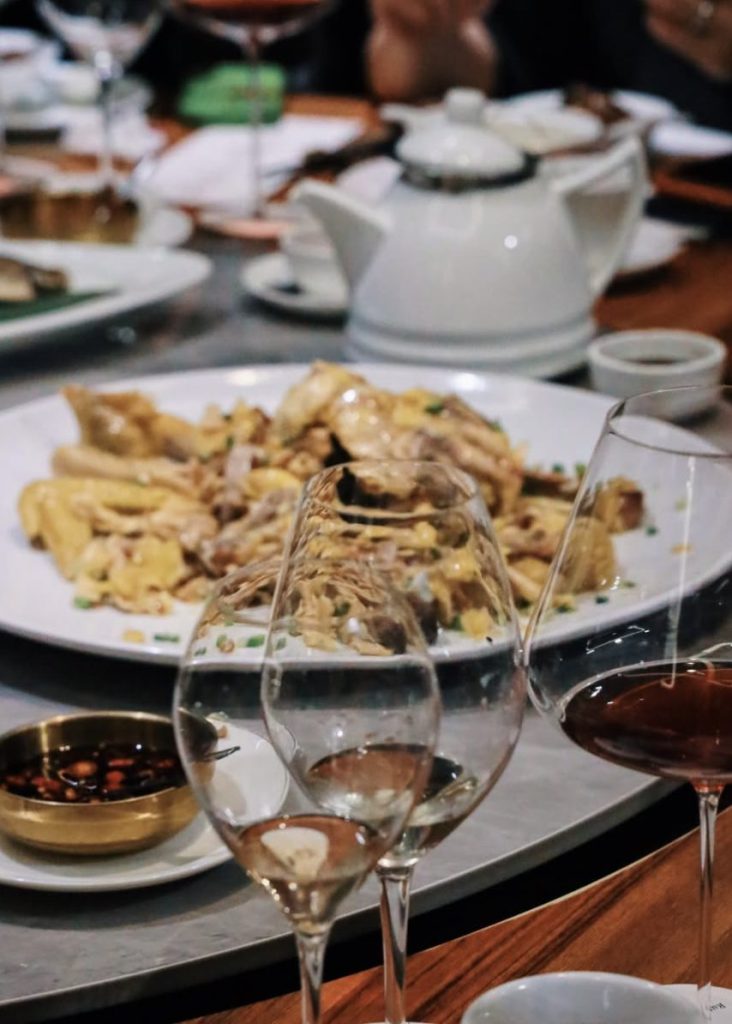























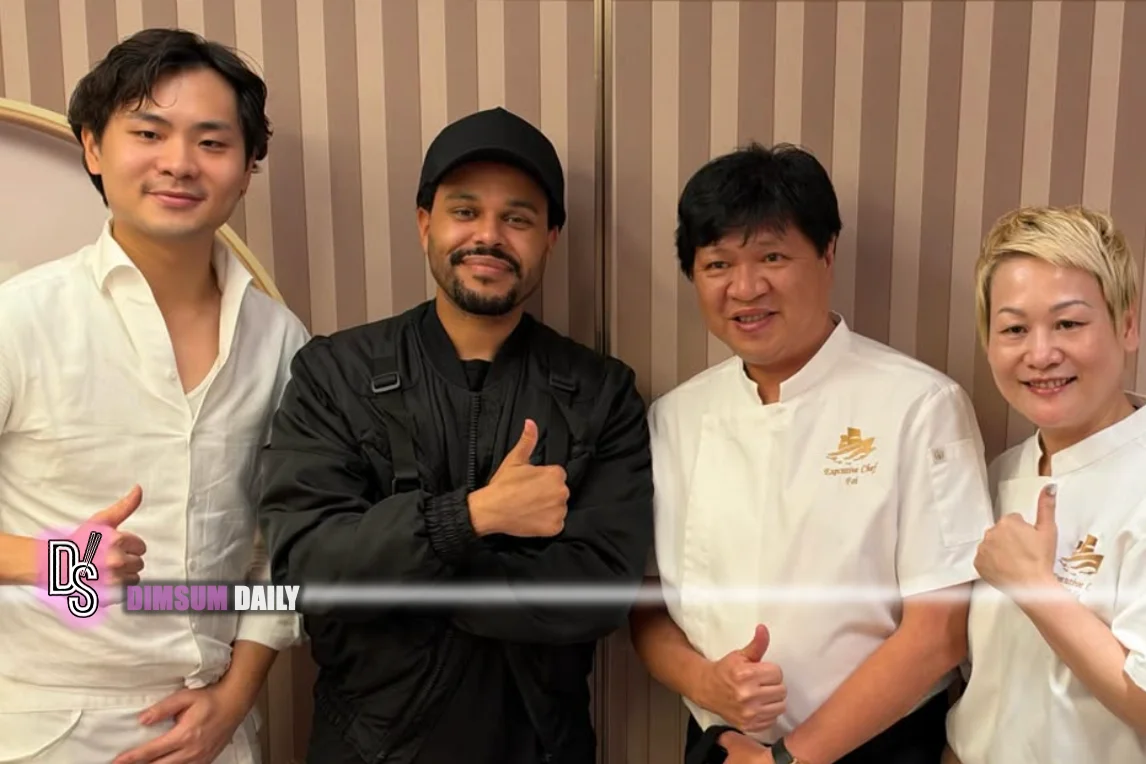
29th October 2026 – (Hong Kong) Kam Tung Kitchen, a long‑standing tanka private kitchen in Shau Kei Wan, has surged in profile after a stop by The Weeknd during his Hong Kong dates on the After Hours Til Dawn tour, drawing fresh attention to a culinary lineage rooted in the city’s boat‑dwelling past. The restaurant is helmed by executive chef Po Yau‑fai, known to regulars as Fai Gor, whose family hails from Po Toi O in Sai Kung. Together with co‑chef Ada Kwok Yin‑lai and their son, floor manager and storyteller Marco Po Ho‑sang, the Po family channels techniques shaped by life at sea—salting, drying and fermenting—to deliver seafood dishes with clean, concentrated flavour.
Kam Tung began in 1990 as a canteen serving fishermen before evolving into a neighbourhood fixture for diners seeking the taste of Hong Kong’s maritime heritage. The family’s practice balances fidelity to tradition with quiet refinement: steaming, swift wok‑frying and slow cooking sit alongside house preservation of ingredients such as salted fish, dried squid and shrimp paste to sustain depth and umami without excess adornment.
Signatures encapsulate that ethos. A steamed pork patty crowned with fresh mud crab speaks to the pairing of land and sea, while stir‑fried clams with pork liver—finished with vermicelli—reinterprets a family tonic into a briny, silky centrepiece. Dishes like sea urchin toast nod to earlier livelihoods on local waters, and a salted‑fish hotpot distils smoke and ocean sweetness into broth that lingers in the grain of the rice. Each plate is positioned as a chapter in a longer story: downstairs, the bustle of a family meal; upstairs at The Treasure, the new private dining room, a more intimate, narrative‑driven service that sets out the heritage behind every course.
The Po family frames preservation as both craft and commitment. Sourcing remains the hardest frontier, with many traditional ingredients still prepared by hand within their community. Rather than compromise for convenience, the team explains the value of meticulous methods that keep flavours clear, seasonal and unadulterated. For younger diners newly curious about tanka culture—and for visitors drawn by celebrity word‑of‑mouth—the restaurant offers more than nostalgia. It presents a living archive of Hong Kong’s seafaring identity, set to endure so long as its custodians can pass the work on and keep the taste of the tide alive.