

























28th October 2026 – (Jerusalem) Israel’s wartime election delivered a knife‑edge result, according to late‑night exit polls that put Prime Minister Benjamin Netanyahu’s Likud‑led camp neck and neck with an opposition bloc headed by Gadi Eisenkot, leaving both short of a governing majority in the 120‑seat Knesset. The near‑record turnout of 77.7 per cent underscored the high stakes of the first vote since the Hamas‑led attacks of 7th October 2023, but the projections suggested weeks of bargaining lie ahead rather than an immediate transfer of power.
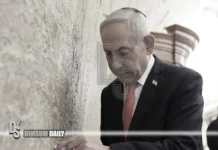
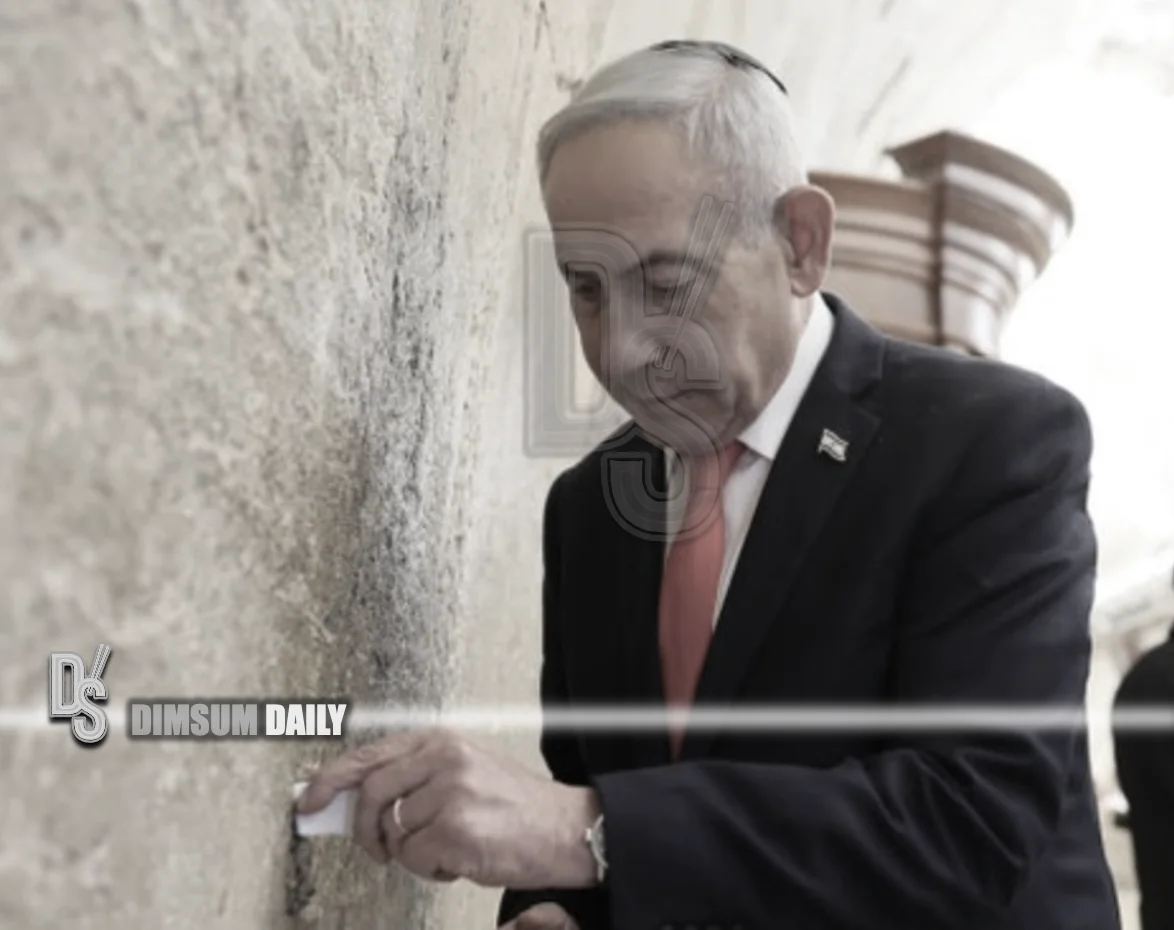
As the evening wore on, Israeli broadcasters alternately showed the two blocs level or separated by the narrowest of margins, with none indicating the 61 seats required to form a government. That outcome would keep Mr Netanyahu, Israel’s longest‑serving premier, in office as caretaker while coalition talks unfold. Speaking to supporters in Jerusalem shortly after 3.00am, he framed the moment as an opportunity to consolidate a right‑wing government and stressed Israel’s military posture and the need to confront regional threats.
Mr Eisenkot addressed backers in Tel Aviv to argue that the public had rejected a return to business as usual, casting the result as a mandate for change even without a decisive victory. Opposition figure Yair Lapid likewise hailed the showing as a major blow to the incumbent bloc. However, the fragmented map leaves smaller factions as potential kingmakers, with far‑right religious parties aligned to Mr Netanyahu projected to take a modest but pivotal share of seats, and Arab parties outside the main blocs positioned to influence the arithmetic yet unlikely to join an Eisenkot‑led coalition.
With final tallies expected to take days, party leaders began sizing up alliances and red lines that could determine whether a narrow government can be stitched together or whether Israelis face yet another return to the polls. Analysts cautioned that the apparent setback for the prime minister did not automatically translate into a path for the opposition, given longstanding hesitations over cross‑bloc cooperation and the constraints of wartime politics.
Beyond the numbers, the campaign was defined by security, accountability and Israel’s international standing since the 2023 attacks and ensuing conflicts. Each side sought to project steadiness and resolve, while courting the broad middle of voters unsettled by the past year’s turmoil.