































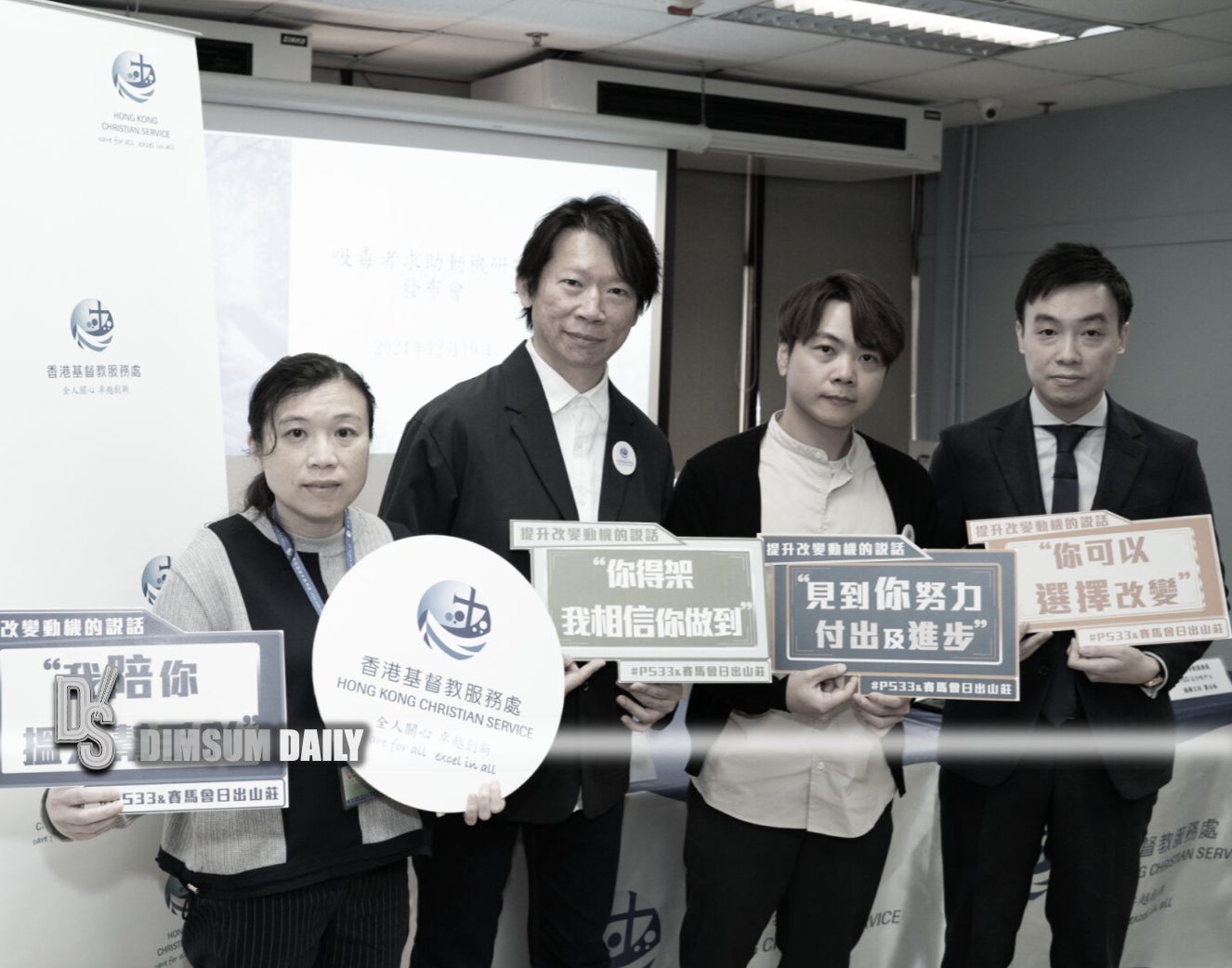
19th December 2024 – (Hong Kong) A recent survey conducted by the Hong Kong Christian Service (HKCS) has uncovered concerning trends among drug abusers, revealing that 55% only seek detoxification services after using drugs for more than three years. Alarmingly, nearly 40% of respondents claimed they had not experienced any negative effects from their drug use. The survey, which involved interviews with 304 drug abusers, also highlighted that the youngest reported user is just nine years old, while approximately one in ten has tried “space oil,” a substance that has gained popularity among youth.
The findings indicate that drug use often begins in adolescence, with the average age of first-time use recorded at 19.5 years. Among those surveyed, 49.5% were under 18 years old, while 40.6% were aged between 18 and 29. The most commonly used substances included cannabis (50.7%), ketamine (50.3%), and cocaine (48.7%). Notably, 48.7% of participants reported obtaining drugs primarily through friends or classmates, while 70.1% relied on drug dealers.
The survey also revealed a troubling reluctance among drug abusers to seek help. Over 15% of respondents had not attempted to access detox services, with 33.6% waiting three to eight years before seeking assistance, and 21.4% waiting even longer. Reasons cited for not seeking help included the belief that they could quit independently (44.7%) and the perception that drug use had not yet negatively impacted their lives (39.1%). Furthermore, many drug abusers expressed agreement with negative societal stereotypes, indicating a sense of hopelessness.
HKCS highlighted that misconceptions about detoxification capabilities and the minimisation of drug-related harm contribute to this reluctance. The organisation’s review of its 392 cases of drug treatment services found that only 18.9% sought help independently, underscoring the need for better support systems. Common health issues among these individuals included emotional disturbances, sleep issues, and physical discomfort, emphasising the detrimental effects of delayed help-seeking.
The survey results also indicated that supportive communication could significantly influence a drug abuser’s willingness to seek help. Encouraging words were shown to enhance motivation, while discouraging comments deterred individuals from reaching out for professional assistance. HKCS noted that the rising use of “space oil” among young people poses significant risks, often leading to severe mental and physical health issues before they seek help.
Health professionals, including psychiatrist Dr Matthew Wong, warned that drug abuse heightens the risk of long-term mental health problems. The prevalence of “space oil” has been linked to cases of emotional instability and other serious health consequences, particularly in younger users.
The survey also highlighted personal stories, such as that of a young woman named Luna, who began using drugs at a party at age 15. Her struggles with addiction and subsequent recovery underscore the impact of family dynamics and peer influence on drug use. Another poignant account is shared by Phoebe, a single mother who sought assistance for her daughter’s addiction to “space oil.” With support from HKCS, Phoebe learned to communicate more effectively with her daughter, fostering a nurturing environment that has aided in her daughter’s recovery.
In light of these findings, HKCS has called for a collaborative approach to improve early identification of drug abuse through families and schools. Recommendations include integrating drug prevention education into school curricula, developing accessible online support platforms, and promoting social acceptance to reduce stigma surrounding drug abuse. By fostering a more inclusive and supportive environment, HKCS aims to encourage those affected by drug abuse to seek the help they need.