



























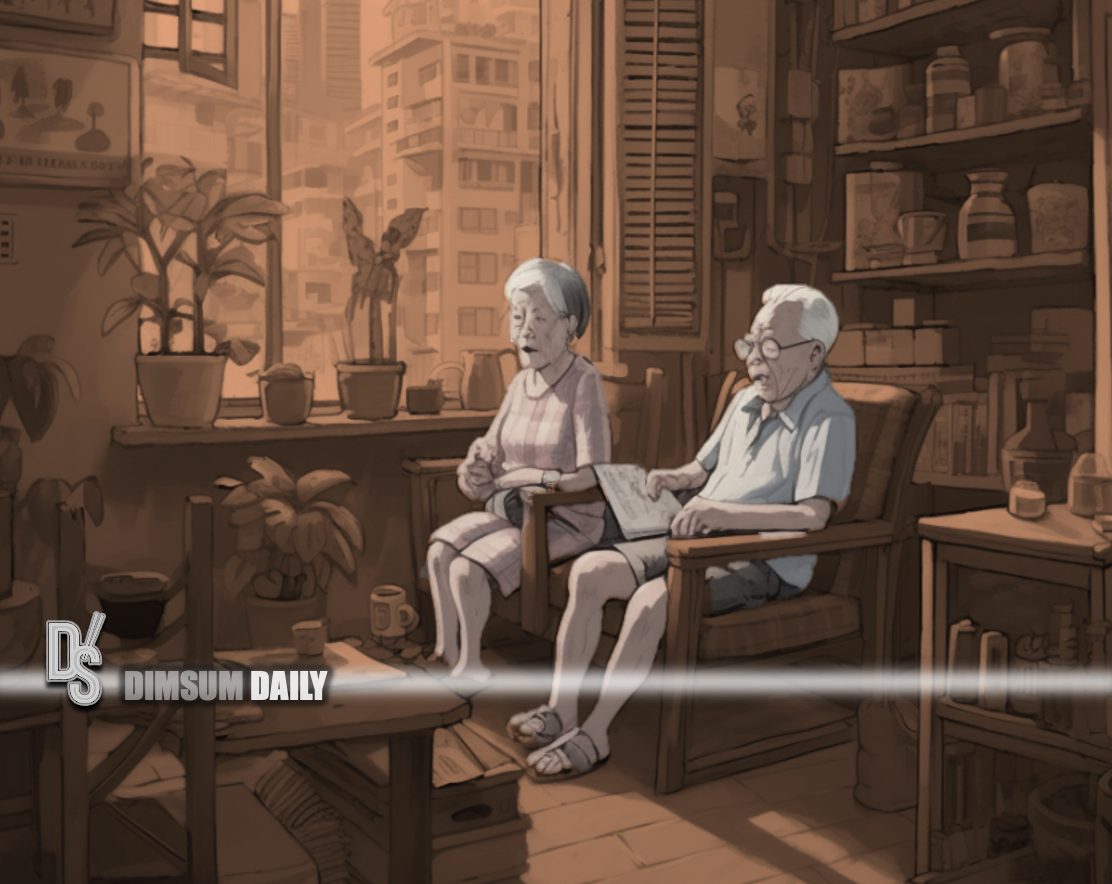
13th July 2024 – (Hong Kong) As Hong Kong grapples with an unprecedented wave of emigration, a generation of elderly residents finds themselves increasingly isolated, their children and grandchildren scattered across the globe. This demographic shift, driven by political uncertainty and economic pressures, is reshaping the social fabric of one of Asia’s most dynamic cities and leaving a vulnerable population to face their twilight years alone.
The scale of the exodus is staggering. According to recent data from the U.K. Home Office, more than 140,000 Hong Kong residents holding British National (Overseas) passports have arrived in the UK since the launch of the BNO visa scheme in 2021. In the first quarter of 2023 alone, an additional 10,737 BNO visas were granted. Canada, too, has seen a significant influx through its “Hong Kong Pathway” programme, issuing nearly 6,000 visas related to Hong Kong in the first two quarters of this year, a thousand more than the same period last year.
However, behind these statistics lies a human story – one of families torn apart and elderly parents left to navigate their final years without the support system they had long counted on. A recent survey by the Hong Kong Christian Service (HKCS) paints a stark picture of this emerging crisis. The study found that over 60% of elderly Hong Kong residents whose children had moved overseas were at “high risk” of social isolation, with close to 50% showing signs of depression.
For many of Hong Kong’s elderly, the departure of their children represents more than just a physical separation. It’s a profound disruption of the traditional family structure that has long been the bedrock of Chinese society. The concept of “filial piety” – respect and care for one’s parents and elders – is deeply ingrained in Chinese culture. The mass emigration of the younger generation has left many elderly parents grappling with a sense of abandonment and loss of purpose.
Mrs. Chan, a 72-year-old resident of Kowloon, speaks with a mixture of pride and sadness about her two children who have moved to the U.K. “Of course, I’m happy they have opportunities abroad,” she says, her eyes misting over. “But who will take care of me when I’m sick? Who will share a meal with me during festivals? These are the questions that keep me awake at night.”
The HKCS survey reveals that Mrs. Chan’s concerns are far from unique. Approximately 26.7% of the elderly respondents indicated a shift in their life focus after their children’s emigration, affecting their emotional well-being, lifestyle, and sense of identity. Some expressed fears of having no one to rely on, while others lamented the loss of simple pleasures like having someone to share a dim sum lunch or accompany them to volunteer activities.
In an age of global connectivity, one might assume that technology would bridge the gap between emigrant children and their elderly parents. However, the reality is far more complex. The HKCS survey found that while many elderly parents rely on video calls to maintain contact with their children abroad, nearly half (49.6%) either struggle to use smartphones independently or don’t possess one at all.
This digital divide presents a significant barrier to maintaining family connections, exacerbating feelings of isolation and loneliness. For many of these elderly individuals, learning to use new technology is not just a matter of acquiring a skill. It represents a fundamental shift in how they communicate and maintain relationships. The struggle to adapt can be deeply demoralising.
The Hong Kong government has initiated programs to improve digital literacy among the elderly, but progress has been slow. Critics argue that these efforts are too little, too late, failing to address the immediate needs of a population already grappling with significant emotional and social challenges.
The Broader Societal Impact
The implications of this demographic shift extend far beyond individual families. Hong Kong’s rapidly aging population, combined with the exodus of younger workers, poses significant challenges for the city’s economy and social services.
The labour force has shrunk by around 4% between 2019 and last year, with the number of workers aged 25-39 falling by a staggering 10% since 2019. This brain drain not only impacts economic productivity but also reduces the pool of potential caregivers for the elderly population.
Dr. Michael Chan, an economist at the Chinese University of Hong Kong, warns of the long-term consequences: “We’re facing a perfect storm of demographic challenges. An aging population, coupled with the emigration of young professionals, could lead to increased pressure on our healthcare system, pension funds, and overall economic growth.”
The Hong Kong government has been keen to downplay concerns about the emigration wave. Chief Executive John Lee stated last July that he believed “the worst was already over,” citing figures from various talent schemes showing “large numbers of people” moving to Hong Kong.
However, this optimistic stance has been met with scepticism from many quarters. Social workers and community leaders argue that the government’s focus on attracting new talent fails to address the immediate needs of the elderly left behind. Ms. Sarah Lam, director of a local NGO focused on elderly care, expresses frustration at what she sees as a lack of urgency from officials. “The government seems more concerned with PR than with addressing the real, human impact of this emigration wave,” she says. “We need comprehensive support systems for these elderly residents now, not just plans to attract new immigrants in the future.”
In the face of what many perceive as inadequate government action, community organizations and NGOs have stepped up to fill the gap. The HKCS, for instance, launched the “Community Helper – Support for Elders with Emigrant Family” program in August 2023, providing a range of activities and home visit services that have benefited nearly 1,400 individuals to date.
The impact of such initiatives can be profound. The HKCS survey found that 54% of elderly participants who previously exhibited signs of depression reported reduced symptoms after engaging with the program. Similarly, 66.7% of those who initially reported lower levels of happiness experienced an improvement in their overall well-being.
These success stories highlight the potential for community-based solutions to address the complex emotional and social needs of elderly residents left behind by the emigration wave. However, such programs often struggle with limited resources and reach, unable to fully address the scale of the problem at hand.
As Hong Kong faces a significant demographic challenge, experts and community leaders advocate for a comprehensive strategy to support the elderly. They suggest enhancing digital literacy programs to help seniors master digital communication tools, thus maintaining connections with family abroad. Additionally, there’s a push for expanding community engagement initiatives to build social networks among the elderly, offering them peer support and communal activities. The need for increased mental health services tailored to seniors, particularly those with children living overseas, is also emphasised. Furthermore, intergenerational programs are recommended to foster community ties and bridge the age divide. Lastly, there are calls for policy reforms to better cater to the unique needs of the elderly, potentially overhauling healthcare and social support systems to ensure their well-being.
However, implementing these solutions is not without challenges. Limited public resources, competing policy priorities, and the sheer scale of the issue present significant obstacles. Moreover, there’s a delicate balance to be struck between supporting those left behind and respecting the choices of those who have chosen to emigrate. Any policy response must navigate the complex political and social tensions that have driven the emigration wave in the first place.
As Hong Kong stands at this demographic crossroads, the choices made today will shape not just the lives of its elderly residents, but the very character of the city for generations to come. Will Hong Kong rise to the challenge, forging new models of community support and intergenerational connection? Or will it allow a generation that built the city’s prosperity to face their final years in isolation and despair?