




























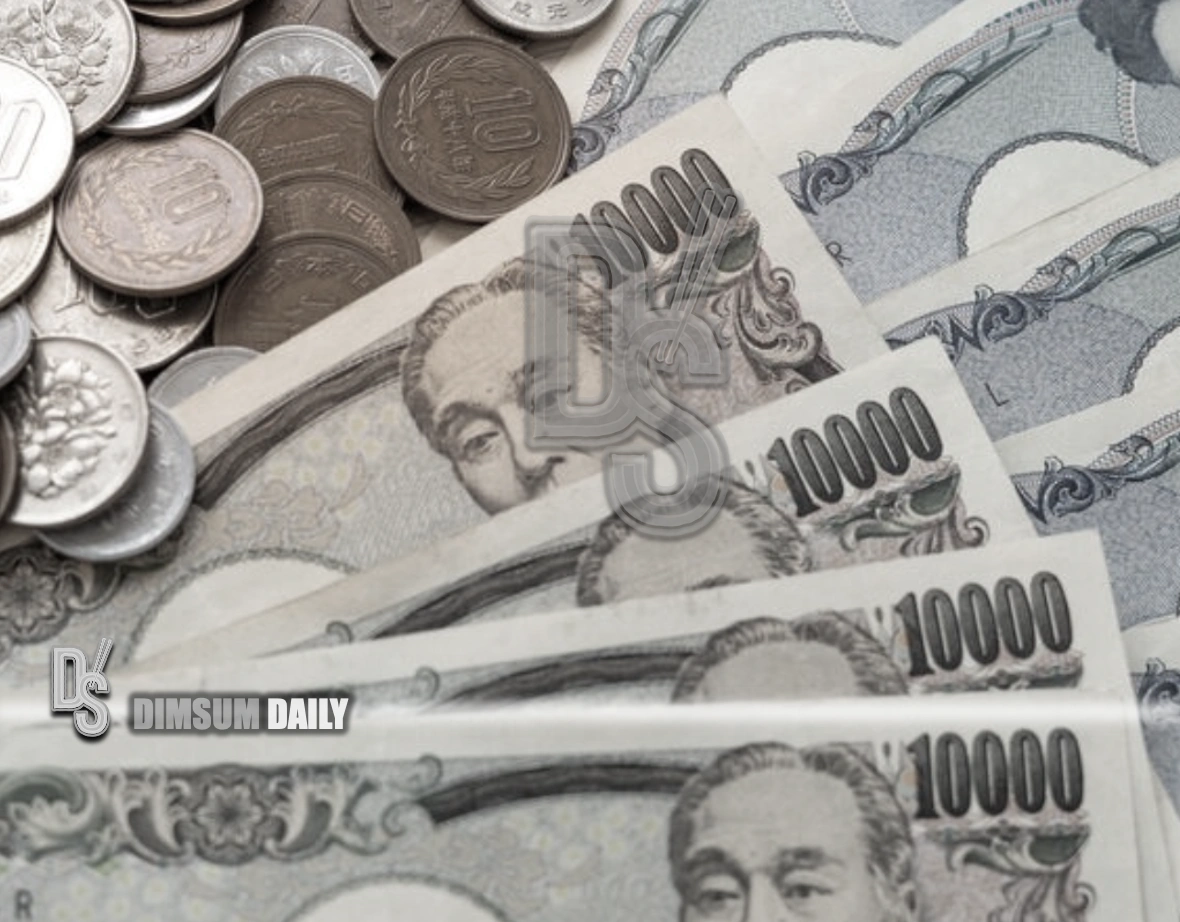
1st July 2026 – (New York) The Japanese yen slid to fresh four‑decade lows on Wednesday, weakening to around 162.28 per U.S. dollar, according to LSEG data, as traders stayed alert to the risk of official intervention. The move came alongside a mixed open across Asia, with Japan’s Nikkei 225 up 1.79% and the broader Topix 1.07% higher, while South Korea’s Kospi gained 1.52% and the Kosdaq slipped 0.42%. Australia’s S&P/ASX 200 was little changed, and Hong Kong markets were shut for a public holiday. China’s CSI 300 was flat at the open.
US equity futures eased after the closing bell on Tuesday, with contracts linked to the Dow Jones Industrial Average down about 0.2%, while S&P 500 and Nasdaq 100 futures hovered near the flatline. The pullback followed a powerful first half of 2026 that ended with all three major indices advancing during the regular session: the Dow added 136.46 points, or 0.26%, the S&P 500 rose 0.79% and the Nasdaq Composite climbed 1.52%.
Gains over the six months to June were broad‑based and robust. The Dow rose 8.9% for its best first‑half showing since 2021, the S&P 500 added 9.6% and the Nasdaq advanced 12.8%. Smaller companies outperformed: the Russell 2000 surged nearly 22%, its strongest first half since 1991.
Chipmakers and AI‑linked shares remained central to the rally’s momentum. A record run in semiconductors lifted the combined market value of Micron, Intel and Advanced Micro Devices by roughly $2 trillion in the second quarter alone. Some strategists cautioned that while semiconductors are likely to stay leadership stocks in an AI‑driven bull market, the group looks extended in the short term and could pause after outsized gains.
Attention midweek will also turn to policy and data. Federal Reserve Chair Kevin Warsh is due to speak at the European Central Bank’s forum in Sintra, Portugal, where he has been outlining task forces to reassess the central bank’s strategy and define a modern approach to monetary policy. Markets remain sensitive to the possibility of further interest‑rate increases if inflation proves sticky. On the US calendar, investors are watching the ADP employment report for June, the ISM manufacturing survey and final global manufacturing PMI readings.
Corporate news after hours offered a mixed picture. Constellation Brands rose about 4% in late trade after posting better‑than‑expected fiscal first‑quarter numbers, with adjusted earnings of $3.43 per share versus $3.20 expected and revenue of $2.43 billion topping forecasts; beer sales of $2.28 billion beat StreetAccount estimates. Wedbush’s Dan Ives initiated coverage of SpaceX with an outperform rating and a $190 price target, arguing the company is increasingly an AI‑driven data play; the target implies about 11% upside from Tuesday’s $170.86 close. Nike shares fell more than 2% after hours as a 12% drop in China sales overshadowed the athletic brand’s top‑ and bottom‑line beat for its fiscal fourth quarter.
Japanese survey data added to the picture of improving sentiment despite currency weakness. The Bank of Japan’s quarterly Tankan showed confidence among large manufacturers rising to 22, up from 17 and above the 16 expected by economists polled by Reuters. Sentiment among large non‑manufacturers edged up to 37, a multi‑decade high by LSEG’s measure, compared with 36 previously and ahead of the 35 forecast, indicating optimists continue to outnumber pessimists across corporate Japan.