




























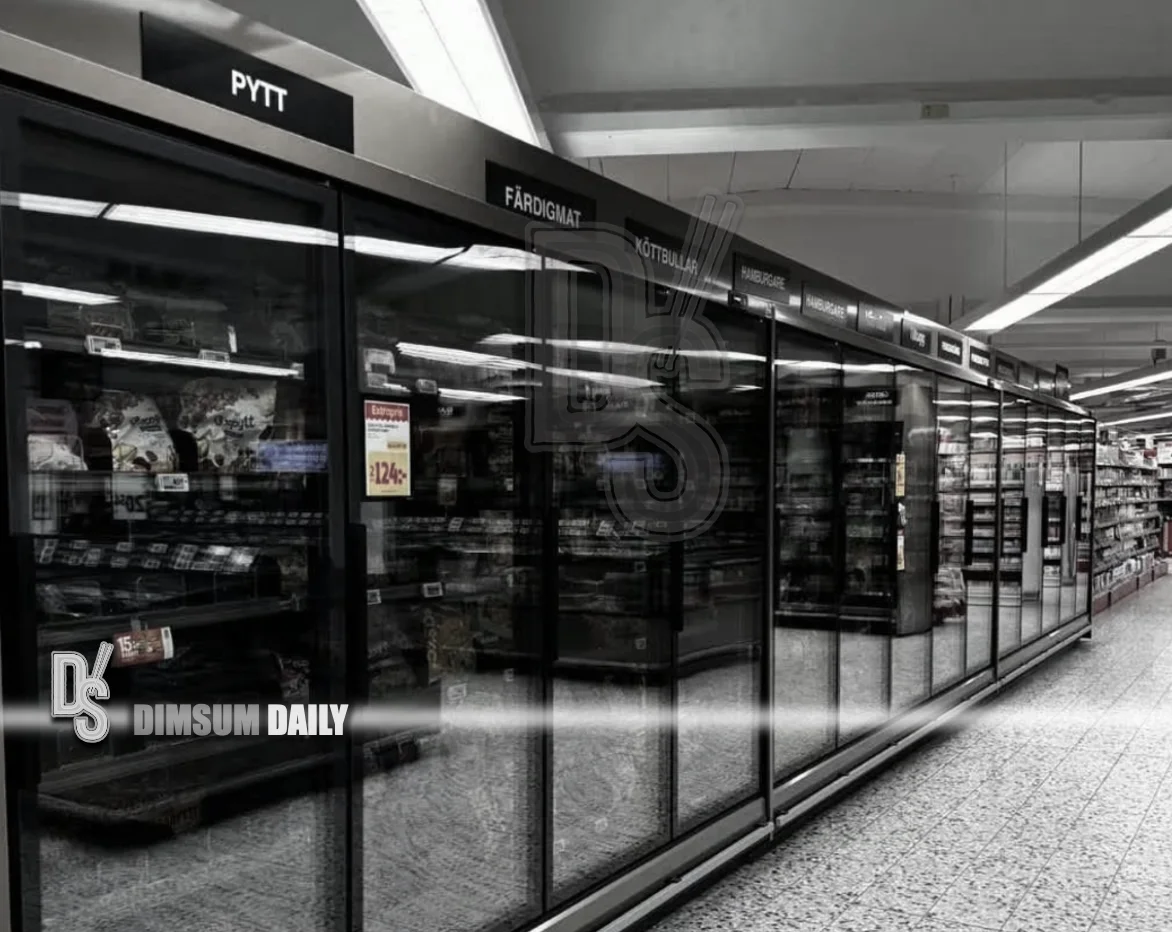
2nd November 2026 – (Stockholm) Supermarkets across Europe suffered widespread refrigeration failures after a suspected cyberattack sent temperatures in fridges and freezers soaring, with incidents reported from Sweden and Belgium to Ireland, the Netherlands, Estonia, Luxembourg and Finland. Retailers said units were remotely switched into defrost or heating modes, echoing an episode in France last month that led to fires and significant food losses.
Ahold Delhaize and Colruyt confirmed overnight IT incidents affecting dozens of stores in Belgium and Luxembourg, while Swedish chains ICA and Coop reported sudden temperature spikes in a limited number of outlets, primarily those operating outside central networks. Carrefour said 15 of its 700 Belgian stores were impacted but remained open. In Ireland, wholesaler Musgrave said 13 SuperValu supermarkets removed chilled and frozen goods after a cyber incident. In the Netherlands, at least 17 companies experienced attacks on freezing and cooling systems, according to industry representatives, and Estonia’s Selver reported similar disruptions.
Store managers described freezers reaching up to 50 degrees Celsius in some locations, destroying stock within hours. An ICA franchise in Stockholm said everything in affected units was spoiled, while a Belgian butchery owner in Hove estimated losses of around €15,000. Local media in Flanders reported a Delhaize branch in Hoeilaart lost about €100,000 in produce, excluding the cost of closure. Companies and contractors said teams worked through the night to disconnect vulnerable equipment from networks and install interim safeguards.
Belgian refrigeration firm Sabcobel, which operates systems for Delhaize, said evaporators had been switched to defrost mode and that technicians had been working since the early hours to isolate affected units. The company’s chief executive, Stephan Moelans, noted that since the French incidents in early October, retailers had moved towards more secure connections, but that some equipment still requires physical modifications beyond software updates. Cybersecurity specialists said such attacks may be aimed at sabotage rather than extortion, given the absence of public ransom demands.
National authorities have opened inquiries but declined to speculate on attribution. Sweden’s national cybersecurity centre said it was handling several incidents at grocery stores and reiterated the need to patch exposed operational technology devices. Agencies in Belgium and Sweden confirmed they were monitoring developments, while the United Kingdom’s National Cyber Security Centre said it was working with international partners and industry to understand the incident; no cases have been reported in the UK. The events have renewed concerns about vulnerabilities in internet‑connected operational systems across retail, where thin margins and perishable stock make the sector an easy and highly visible target.