

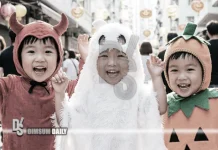
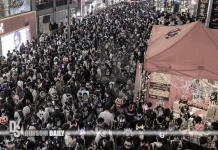


























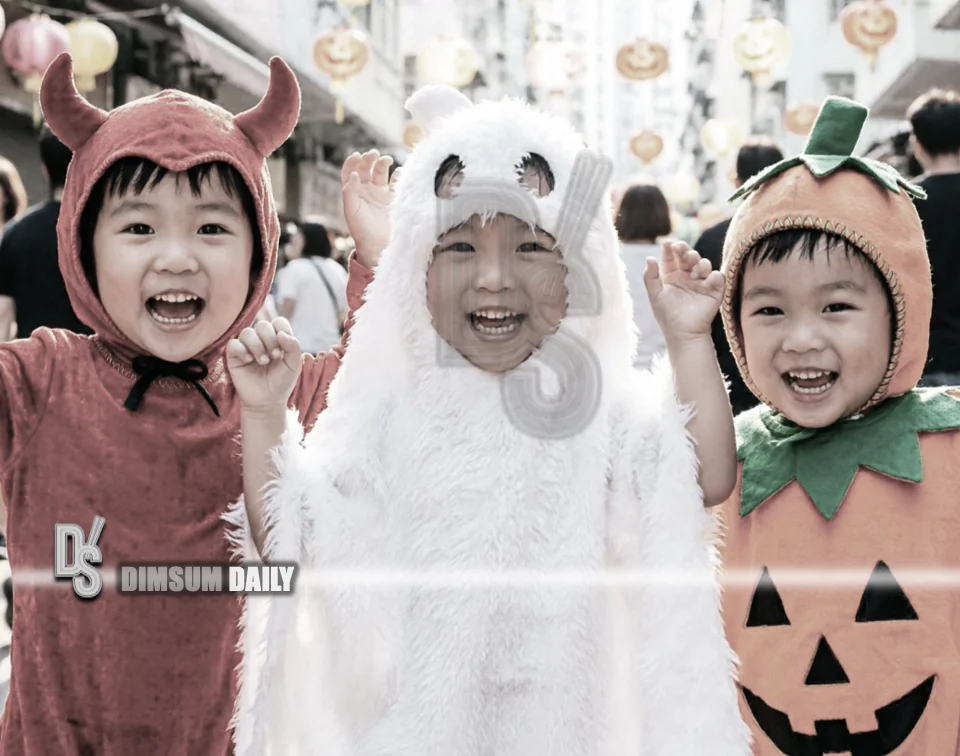
31st October 2026 – (Hong Kong) As crowds filled the streets for Halloween tonight, one parent shared a kindergarten circular bluntly titled “Do not celebrate Halloween”, warning that the festival springs from a Celtic “death feast” meant to honour a death god — and promptly praised the school for spelling out a past many families never hear.
The notice argued that Hong Kong once showed little interest in the night, yet over the past decade or so it has hardened into something like a “norm”. It traced the date to Celtic mystery religion, saying 31st October was called a death festival for summoning evil spirits and the souls of the dead, and that door-to-door food demands became “trick or treat”, with refusals supposedly cursed so someone in the household would die the next year.
Its closing line left little room for costume parties: Halloween, the school wrote, has nothing to do with Christianity and is simply people following a “ghost festival” custom that in practice worships a death god and deals with spirits. That pitch sits squarely with wider religious objections that mixing pre-Christian rites into modern life breaches spiritual purity and commands to keep clear of occult practice.
The parent who posted the letter was relieved. “I knew I hadn’t picked the wrong school,” the parent wrote, adding that Chinese custom would not send people into the street in ghost dress for a party on the Hungry Ghost date of the 14th day of the seventh lunar month — and that few had realised Halloween’s claimed backstory ran that dark.
Online reaction split fast. Some said shared faith makes an anti-Halloween appeal reasonable, fretted that celebrating “demons” somehow feels like a happy occasion, or argued from a theological angle that marking the night can “open a door” to matching spirits. Others treated it as light play: children swapping sweets in malls, old kindergartens running fancy-dress balls without naming the feast, and a personal choice that need not brand neighbours as wrong.
Critics of the circular noted that faith-based schools often discourage Halloween events yet rarely issue a flat “do not celebrate” call. One commenter said collapsing centuries of folk custom into a sugar-or-curse death threat is not rigorous history. Parallel cultural worries, aired far beyond this thread, also target gore that can desensitise children, the plastic waste and sugary haul of commercial Halloween, and seasonal spikes in pranks or petty vandalism.
Historical guides paint a more layered picture than the notice alone. A Library of Congress Halloween research guide roots the night in the ancient Celtic festival of Samhain — a roughly 2,000-year-old pre-Christian turning of the year when bonfires burned and costumes helped people ward off or blend with wandering spirits as the boundary between living and dead was said to thin. Christian missionaries later fixed All Hallows on 1st November and All Souls on 2nd November to redirect Celtic practice, and the blend became All Hallows’ Eve, today’s Halloween.
The 1907 Catholic Encyclopedia records that Pope Gregory III consecrated a chapel for all saints at St Peter’s with a 1st November feast, later extended church-wide under Pope Gregory IV in the ninth century — so the English name and calendar slot are entangled with church observance even when critics insist the night is purely pagan. Trick-or-treat likewise has several told origins: Celtic offerings of fruit and nuts to roaming dead, European “souling” for soul cakes, and Irish turnip lanterns in County Donegal around 1900 that Americans later remade as pumpkin jack-o’-lanterns.