




















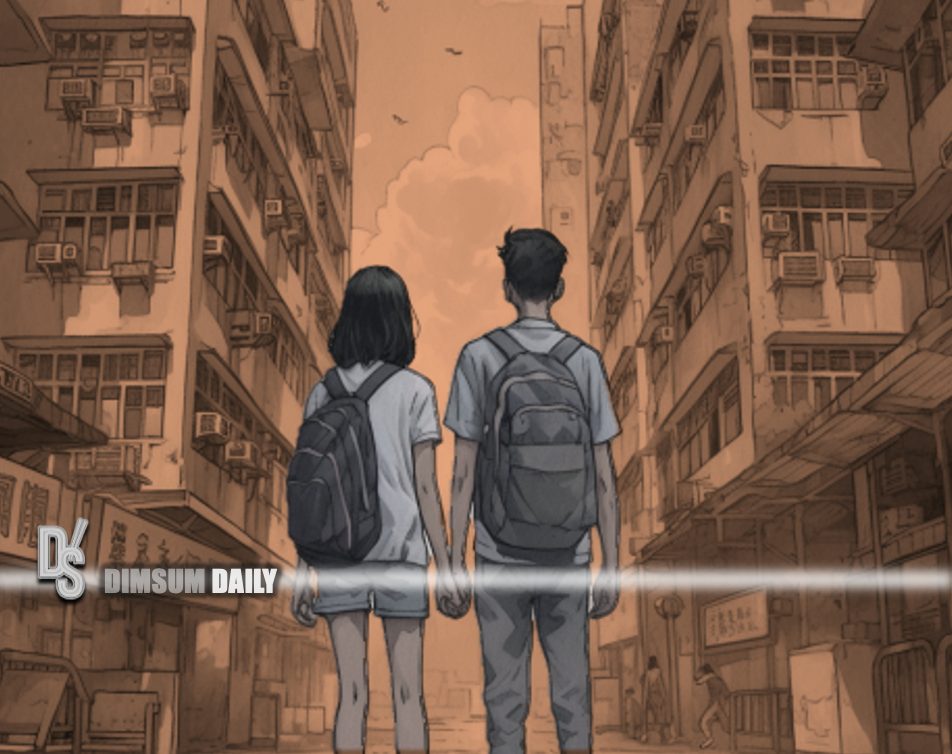
27th December 2024 – (Hong Kong) In thousands of tiny flats across Hong Kong, young lives are grinding to a halt. Last September’s incident at a Tseung Kwan O secondary school – where teachers barely prevented a girl’s suicide attempt – wasn’t just another headline. It was a wake-up call that Hong Kong has been hitting the snooze button on for far too long.
“I’ve watched kids who once dreamed of becoming doctors or pilots transform into shadows,” says Grace Leung, a youth counsellor who’s spent 12 years in the trenches of Hong Kong’s mental health battlefield. “One of our cases started skipping school at 14. He’s 29 now, and still hasn’t left his bedroom except for midnight trips to the corner shop.”
The numbers tell a story that should make every parent’s blood run cold. When researchers asked Hong Kong’s teenagers about mental health support, more than 20% said they’d rather suffer in silence than seek help. It gets worse – nearly half admitted they probably wouldn’t reach out even if they were drowning in psychological distress.
Hong Kong Christian Service’s latest report reads like a horror story. Some young people have been in self-imposed exile for 15 years, their lives frozen in time while the world spins madly on outside their windows. These aren’t just rebellious teens sleeping till noon – they’re lost souls trapped in a maze of their own making, with society’s exit signs growing dimmer by the day.
“The real tragedy isn’t just the isolation,” explains Dr. Katherine Pan from Queen Mary Hospital’s psychiatric unit. “It’s watching brilliant young minds convince themselves they’re worthless. When a kid tells you they haven’t felt joy in months, that they can’t sleep, can’t eat, can’t imagine a future – that’s not teenage angst. That’s a cry for help in a city that’s forgotten how to listen.”
One local mother, Mrs. Chan, speaks through tears about her son’s descent into isolation. “Tommy was captain of his school’s debate team. Then one day, he just… stopped. Stopped going to school, stopped seeing friends, stopped living. Three years later, he still hasn’t left his room. The curry fishballs he loved now go cold outside his door.”
A social worker Michael Wong has seen this pattern repeat itself countless times. “These kids aren’t lazy or spoiled – they’re terrified. When your self-worth gets crushed between Hong Kong’s academic pressure cooker and social media’s highlight reel, retreating feels like the only safe option.”
Legislative Councillor Lillian Kwok isn’t mincing words about the crisis. “Our schools spot these cases too late. By the time a student’s skipping classes and ghosting friends, they’re already halfway down the rabbit hole.” She’s pushing for earlier intervention, arguing that Hong Kong’s Social Welfare Department needs to radically rethink its approach to youth services.
The government’s recent pilot scheme to place family therapists in district health centres is a start, but critics say it’s like bringing a band-aid to a battlefield. Meanwhile, private mental health services remain out of reach for many families, with some psychiatrists charging upward of HK$2,000 per session.
The crisis has spawned a new vocabulary in Cantonese. “Hidden youth” has become as common a term as “dim sum.” But unlike Hong Kong’s famous breakfast tradition, this phenomenon leaves a bitter taste that lingers long after the headlines fade.
Perhaps most telling is a scene from a recent community outreach event in Kwun Tong. While social workers handed out leaflets about mental health services, dozens of empty chairs faced a stage where experts discussed warning signs and solutions. The very people who needed help most weren’t there – they were hidden behind countless apartment doors in the towering buildings overhead.