























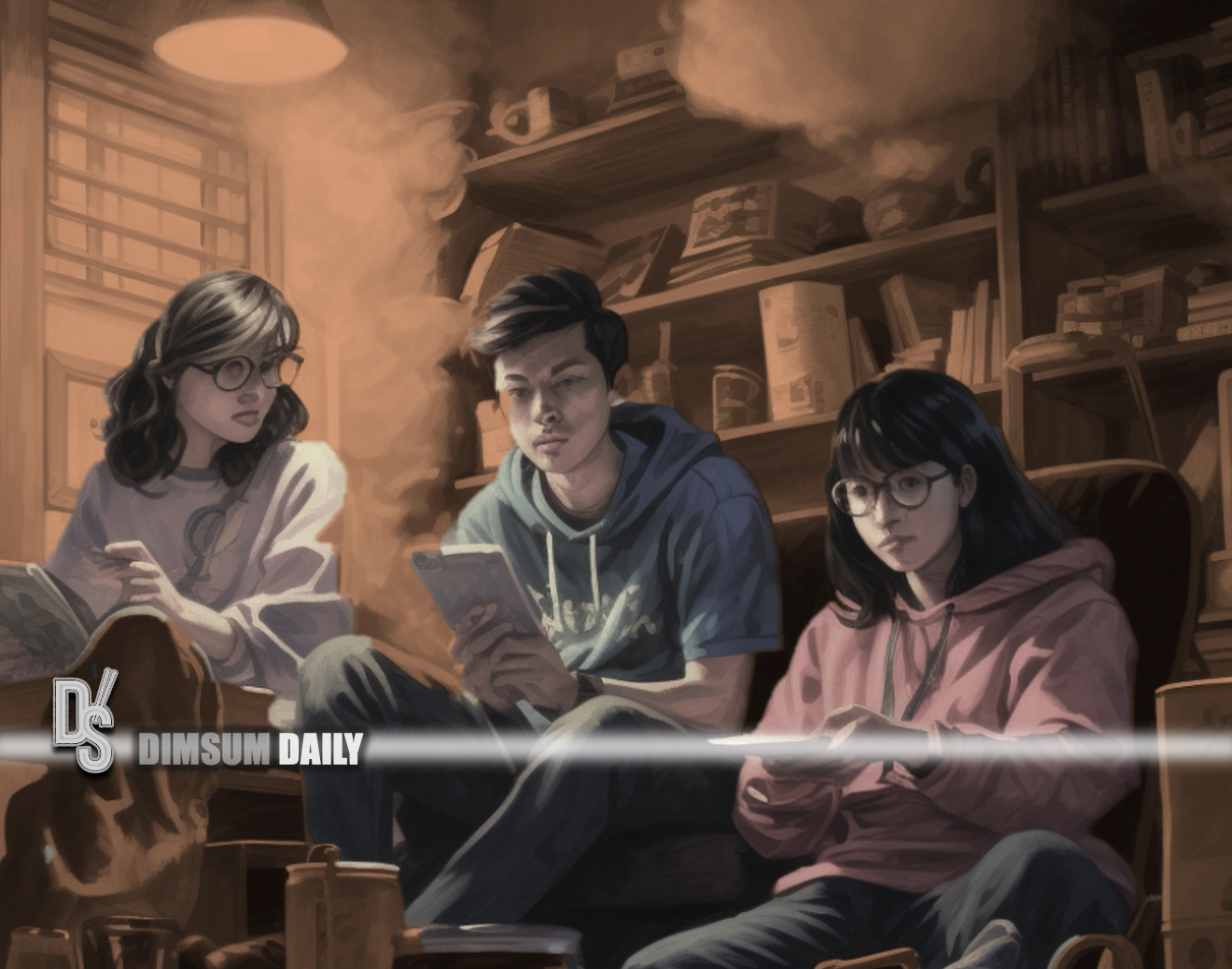
19th December 2024 – (Hong Kong) The sun sets over Victoria Harbour as Luna, just 15, takes her first hit at what should have been just another teenage party. Five years later, she’s still telling herself she can quit whenever she wants. This isn’t just Luna’s story – it’s the narrative of a city in denial.
Recent findings from the Hong Kong Christian Service paint a disturbing picture that’s far removed from the gleaming skyscrapers and financial success stories. A staggering 55% of drug users wait more than three years before seeking help, while an almost surreal 40% claim their habit hasn’t negatively impacted their lives. Let that sink in: four in ten people actively destroying their bodies insist they’re perfectly fine.
The statistics read like a horror story written in bureaucratic ink. The youngest user is nine – yes, nine years old. One in ten has experimented with “space oil,” the latest designer drug seducing Hong Kong’s youth. But perhaps most chilling is the average age of first use: 19.5 years, right when life should be opening up, not spiraling down.
What’s really going on in the minds of these users? The answers are as complex as they are troubling. Nearly half believe they can quit independently, a delusion that addiction specialists have heard so many times it’s become a tragic cliché. Another 39% are convinced their drug use hasn’t yet caused problems – a self-deception so profound it would be laughable if it weren’t so dangerous.
The psychology of delay reveals a darker truth about Hong Kong’s drug culture. Users aren’t just avoiding treatment; they’re actively constructing elaborate justifications for their continued use. They’re waiting for the “perfect moment” to seek help – a moment that never arrives. They’re convincing themselves they can handle it alone, even as their lives unravel in slow motion.
However, this isn’t just about individual denial. The city’s approach to drug treatment itself needs serious examination. When only 18.9% of users seek help independently, something is fundamentally broken in the system. The stigma runs so deep that many users have internalised society’s worst stereotypes about addiction, creating a self-fulfilling prophecy of hopelessness.
The real tragedy lies in what we know about delayed treatment. Each year without intervention multiplies the damage: deteriorating mental health, compromised immune systems, damaged relationships, and lost opportunities. The brain changes that occur during prolonged drug use make recovery progressively harder, yet users continue to wait, trapped in a cycle of “tomorrow I’ll quit.”
The cannabis-ketamine-cocaine trinity, favored by 50% of users, isn’t just a chemical cocktail – it’s a symptom of deeper societal issues. When half the users are getting their supply through friends or classmates, we’re not just looking at a drug problem; we’re witnessing the normalisation of substance abuse within social networks.
The role of family dynamics cannot be understated. Take Phoebe’s story: a single mother watching her daughter slip away into “space oil” addiction. Her journey from helplessness to empowerment through HKCS support programs shows what’s possible when we stop judging and start understanding. But for every Phoebe who seeks help, how many others remain silent, paralysed by shame or fear?
Health professionals like Dr. Matthew Wong aren’t just raising alarms about immediate health risks; they’re warning of a mental health time bomb. The correlation between early drug use and long-term psychiatric issues is well-documented, yet users continue to gamble with their futures, betting against odds that grow worse with each passing year.
The solution isn’t simple, but it starts with shattering the comfortable lies users tell themselves. When 44.7% believe they can quit independently, we need to ask: how many attempts at solo recovery have failed? When 70.1% are getting their supply from dealers, how many are one bad batch away from tragedy?
We can continue the cycle of denial, watching as each new generation convinces itself it’s immune to addiction’s consequences. Or we can confront the uncomfortable truth: that delayed treatment isn’t just procrastination – it’s a form of self-harm masquerading as self-reliance. With the proliferation of new synthetic drugs like “space oil” and an increasingly younger user base, the window for effective intervention is shrinking. The question isn’t whether users will eventually need help – it’s whether they’ll still be capable of accepting it when they finally acknowledge that need.
For Luna, Phoebe’s daughter, and countless others, the clock is ticking. Each day of delay isn’t just a missed opportunity for recovery; it’s an active choice to continue down a path that grows darker and more treacherous with each step. The time for comfortable fictions about being able to “handle it” has passed. The only question remaining is: how many more lives will be lost to denial before we face this crisis head-on?