






























 is accelerating, with 676 confirmed cases and 136 deaths as of the latest update.)
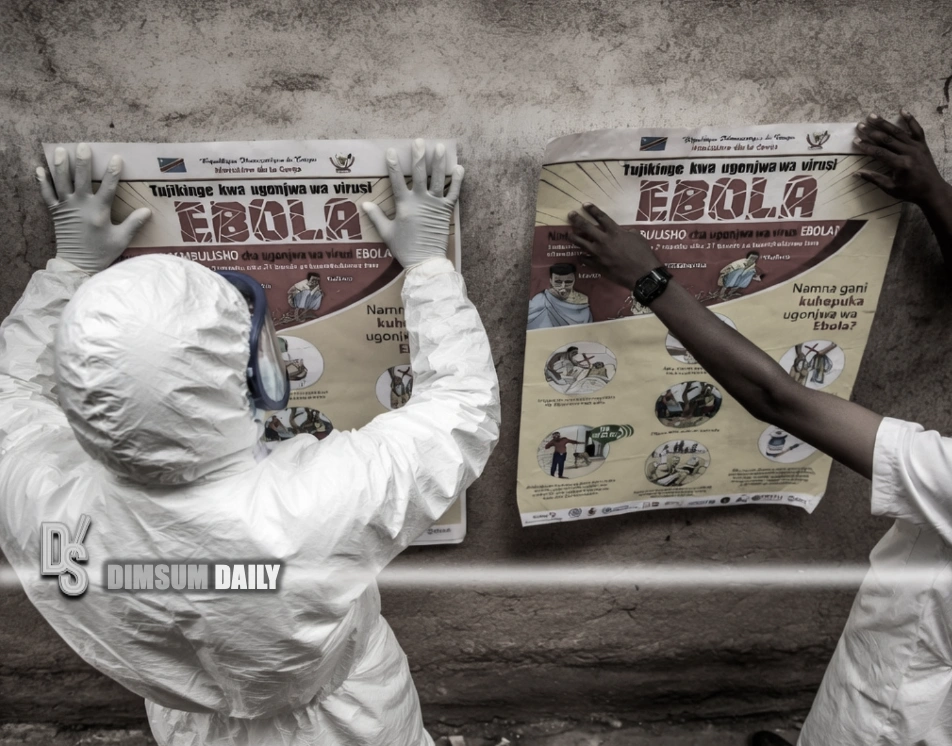
12th June 2026 – (Kinshasa) The Ebola outbreak in the Democratic Republic of the Congo (DRC) is accelerating, with 676 confirmed cases and 136 deaths as of the latest update. Health officials reported 41 new infections and nine additional fatalities on Wednesday, underscoring how gaps in contact tracing, persistent insecurity and funding shortfalls are hampering control efforts.
Transmission has spread across 29 health zones in Ituri, North Kivu and South Kivu, with week‑on‑week case growth pointing to sustained community spread. Authorities warn that without swift, robust public‑health measures, the disease could advance rapidly into new areas.
Jean Kaseya, director‑general of the Africa CDC, said the outbreak’s footprint had expanded sharply since it was declared on 15th May, moving from three affected health zones to dozens across three provinces within days. He highlighted severe shortfalls in contact tracing, particularly in Ituri: with about 600 confirmed cases there, roughly 24,000 contacts should be listed (assuming 40 per case), yet only about 5,000 have been identified and fewer still are under active follow‑up. Some confirmed patients remain outside treatment centres, further elevating transmission risk.
This event involves the Bundibugyo strain of Ebola virus, for which there is no approved vaccine or treatment. By confirmed cases, it is already the third‑largest Ebola outbreak recorded in Africa, exceeding the tolls of the 2007 Uganda and 2012 DRC Bundibugyo outbreaks.
The World Health Organisation’s 6th June rapid risk assessment keeps the DRC at “very high” risk, citing ongoing transmission, rapid case growth and geographic spread. From 22nd May to 6th June, confirmed cases reportedly jumped more than eightfold (63 to 515), and affected health zones rose from 16 to 25. Retrospective probes suggest the virus may have circulated undetected since March, with early diagnoses hindered by tests not validated for Bundibugyo. At least 16 health workers are among confirmed cases, reflecting infection‑prevention gaps in clinical settings.
Neighbouring Uganda, which has detected imported and linked secondary cases, remains under close surveillance. WHO rates Uganda’s risk as “high” but reports no evidence of sustained community transmission; Africa CDC says the situation there is “under control,” with cases emerging from known contact lists. Risks for other land‑bordering countries are assessed as high, while the wider regional and global risks remain low, though international exportation is possible.
Escalating violence in Ituri and North Kivu is impeding surveillance, rapid response deployments, secure sample transport, contact tracing and safe burials. Africa CDC has called for a ceasefire to allow health teams access to affected communities.
The outbreak unfolds against a backdrop of other health emergencies across Africa, including widespread cholera, resurgent measles—driven in part by low vaccination coverage in conflict‑affected areas—and a recent decline in mpox cases and deaths. Public health agencies urge swift scaling of case finding, validated diagnostics, isolation capacity, comprehensive contact tracing and community engagement to curb the DRC outbreak.