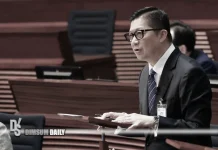



























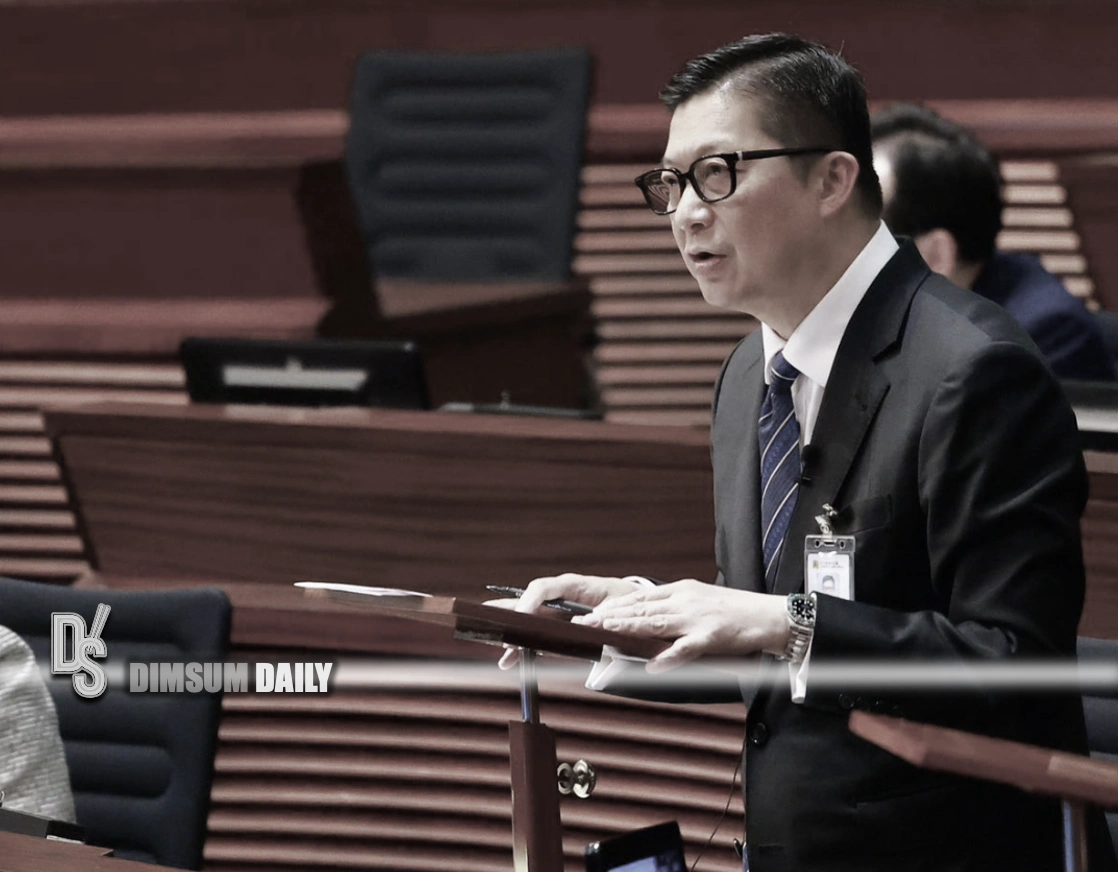
1st November 2026 – (Hong Kong) Secretary for Security Tang Ping-keung said he is “as trivial as dust” and will follow Chief Executive John Lee Ka-chiu on whether to finish his term — adding that if Lee wants him to stay he would be glad, and if he should end at any time that would also be fine — as he answered for Fire Services failings exposed by the Wang Fuk Court blaze that killed 168 people.
An independent committee found the Fire Services Department had not properly discharged its regulatory duties and lacked crisis awareness over large building renovation works. Problems cited included failure to spot in time that fire alarms had been switched off and that escape staircases had openings that undermined safe egress.
Tang, speaking in a television interview aired today, admitted the department had shortcomings and that it did have a duty to inspect. He said highly divided responsibilities at the time meant the alarm and staircase defects were not caught promptly.
After a Level Two investigation under the departmental head accountability system was triggered, he expected senior Fire Services officers to face scrutiny by the Public Service Commission, though he did not know how many people the probe would cover. Asked whether the inquiry might hit morale, he said those concerned would take responsibility, noted improvement work already under way since the disaster, and hoped similar situations would be handled better in future.
On his own future as bureau chief through the rest of this government term, Tang repeated that he was “as trivial as dust” and that the Chief Executive, as head of government, makes decisions he must follow. Continue if Lee so decides; finish whenever Lee so decides — both outcomes, he said, would sit well with him.
The government has also rolled out anti-bid-rigging measures after Wang Fuk Court, including a special task force and a pre-vetting list that requires contractors and consultants to clear police and Independent Commission Against Corruption background checks before taking works. Tang said he believed the first batch of names would turn up suspect firms — for example those with records of fraud, bid-rigging or triad-linked intimidation and extortion — which would then be rejected.