




























29th October 2026 – (Montreal) Biometrics and digital identity are moving firmly into the mainstream of air travel, according to the International Air Transport Association’s 2026 Global Passenger Survey, even as administrative burdens and border requirements increasingly discourage trips. The association says more travellers now encounter biometric checks during their journeys and report high levels of satisfaction with the experience, while many also express interest in using secure digital passports for online check‑in and personalised services.
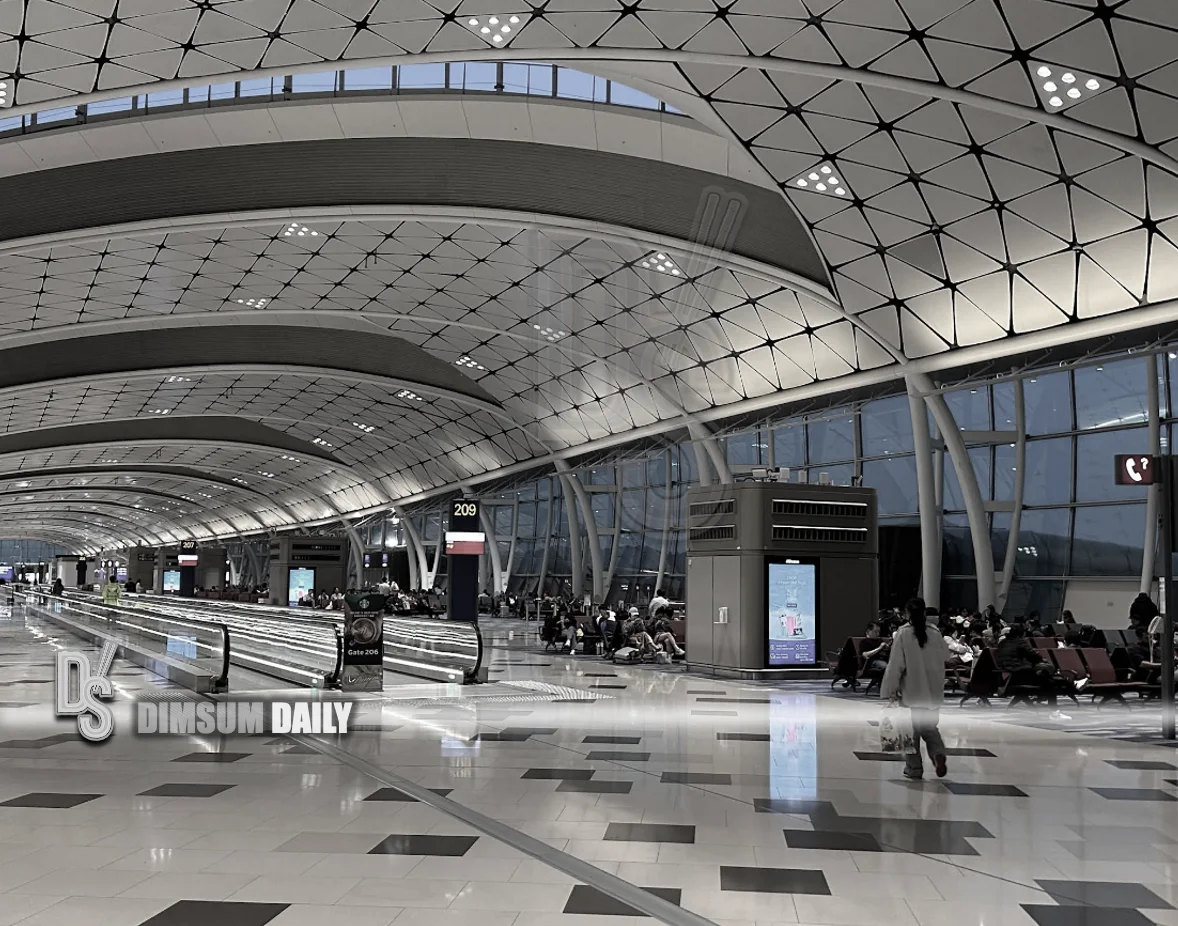
Iata has committed to working with governments to enable the issuance and acceptance of Digital Travel Credentials that can underpin contactless, identity‑verified journeys. To support adoption, the association has published a Contactless Travel Directory so airlines, airports and border agencies can connect with multiple vetted partners through a single reference point. In a milestone for implementation, Air New Zealand and Hong Kong International Airport became the first organisations to secure One ID certification, confirming that their use of digital identity and biometrics aligns with Iata’s global standards.
The survey indicates strong consumer preference for seamless processing: nearly eight in ten passengers would rather use biometrics than repeatedly present physical documents at checkpoints, and satisfaction with biometric touchpoints is reported at well over four in five. Interest in digital passports is also elevated, with many travellers willing to share verified credentials after booking to speed airport formalities and tailor services across their journey.
Concerns about privacy and data handling, however, remain significant. Respondents cite the risk of data breaches, uncertainty over how personal information is managed and the potential for information sharing beyond original consent as key reservations. Iata argues that clear governance, robust consent mechanisms and common technical standards are essential to maintain public trust as adoption accelerates.
Artificial intelligence is taking hold in trip planning, with a substantial share of passengers using AI tools to research destinations, compare fares and choose flights. Iata says airlines should ensure their offers surface effectively in AI‑driven searches and provide smooth pathways that convert conversational queries into confirmed bookings, bridging discovery and purchase without friction.
Entry rules and visa processes continue to weigh on demand. The survey finds that complicated requirements have discouraged a growing share of passengers from visiting certain destinations compared with last year. Travellers increasingly want the option to complete visa applications online and to resolve admissibility checks before they arrive at the airport, reducing uncertainty and queuing at departure and arrival.
Regional patterns show notable differences in adoption and attitudes. North America records the highest reported use of biometrics alongside pronounced worries about data security, while Asia‑Pacific travellers are also heavy users and among the most satisfied with biometric processing. Europe shows comparatively lower willingness to use biometrics and digital passports during booking and online check‑in, the Middle East leads in AI‑assisted planning and enthusiasm for digital identity, Latin America and the Caribbean favour pre‑arrival immigration clearance, and Africa reports strong interest in digital travel solutions amid particularly complex entry regimes.
Momentum for deployment is set to build further with new national programmes. From 1st November 2026, India will begin international trials allowing eligible passengers with e‑passports on selected airlines to use digital credentials through the Digi Yatra platform at participating airports.