


























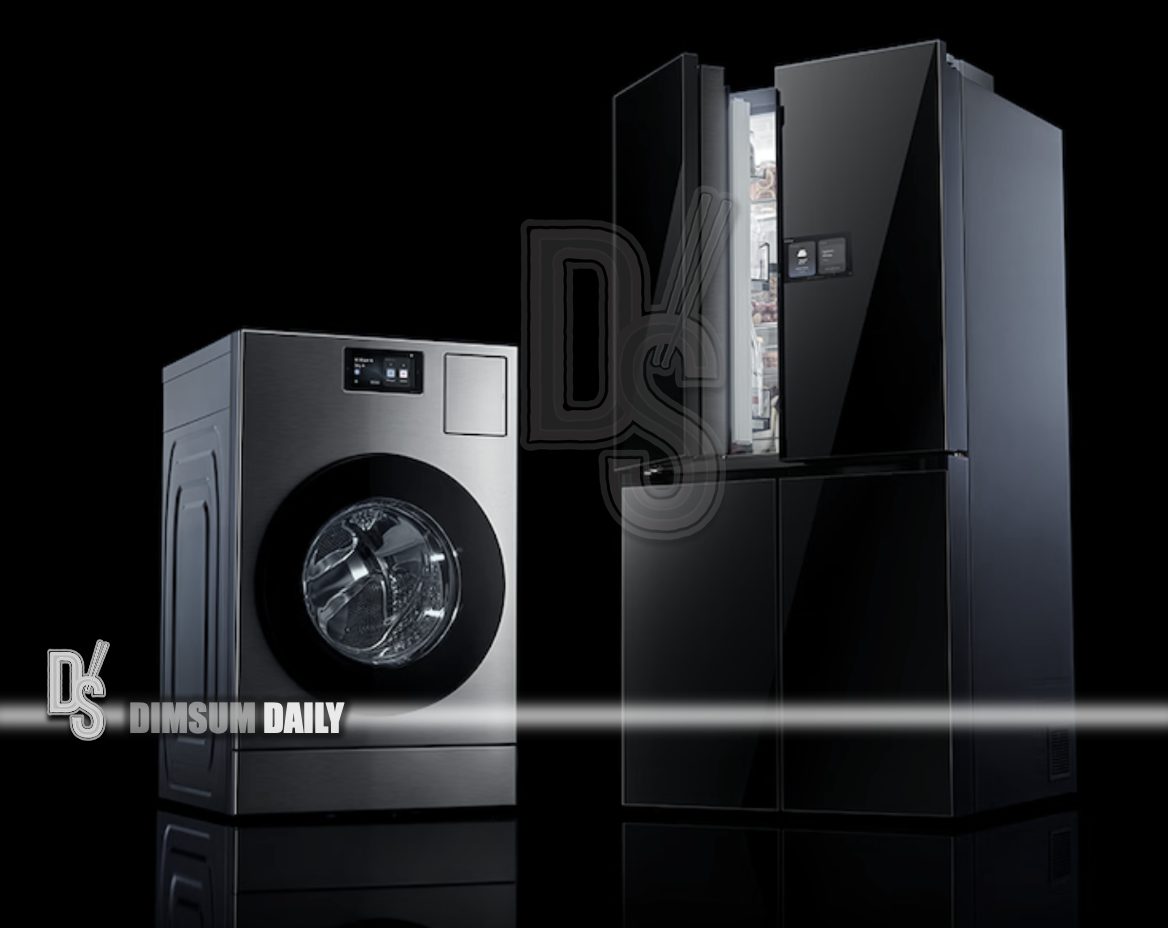
28th October 2026 – (Hong Kong) Samsung Electronics has effectively left Hong Kong’s large home-appliance aisle — refrigerators, washers, air-conditioners and vacuum cleaners all show as sold out on its local website — while the company says it is shifting resources to televisions, displays, audio, commercial screens and mobile devices and will keep after-sales cover for goods already sold.
Reporters checking Samsung’s Hong Kong storefront found the big white-goods categories marked sold out, with no clear path to buy. Mobile and TV sections still worked as normal: a Galaxy smartphone, for example, could be added to the cart. Customer-service staff said lifestyle appliances were only temporarily out of stock and that they had received no notice of a market exit — a softer line than the blank shelves suggest.
In an evening reply, Samsung said its Hong Kong business remained solid and that it continually reviews and adjusts its product mix to match a changing market and shopper tastes. As part of that shift, it is concentrating resources on televisions, displays, audio products, commercial displays and mobile communications devices. After-sales service, warranties and repair support for products already sold will continue, it said, with professional help still available to consumers.
Korean coverage, including Korea Economic TV on 27th October, said the Hong Kong unit began preparing the withdrawal about one to two months ago. The same reports place Hong Kong inside the wider home-appliance sales halt Samsung announced for mainland China in May 2026, when its China site said it would stop selling televisions, displays, air-conditioners, refrigerators and other appliances while leaving phones untouched. The pullback does not mean Samsung is quitting its other Hong Kong lines.
Hong Kong’s appliance market is put at about 2.7 trillion won, with per capita GDP above US$50,000 and traditionally strong demand for imported premium kit. In 2025 Samsung held about 15 per cent of the local refrigerator market, ranking third behind Japan’s Hitachi and the US brand Whirlpool. Maintaining that share, Korean reporting argued, had become the decisive problem: at the top end Samsung faces fierce Japanese and American competition, while Chinese makers wage price wars in the mid-range and entry tiers — squeezing the Korean giant until large appliances disappear from the Hong Kong cart, even as phones and screens stay on sale.