






























 has exposed a significant gap in the usage of mainstream elderly centre services by ethnic minorities, highlighting a systemic issue that requires immediate attention.)
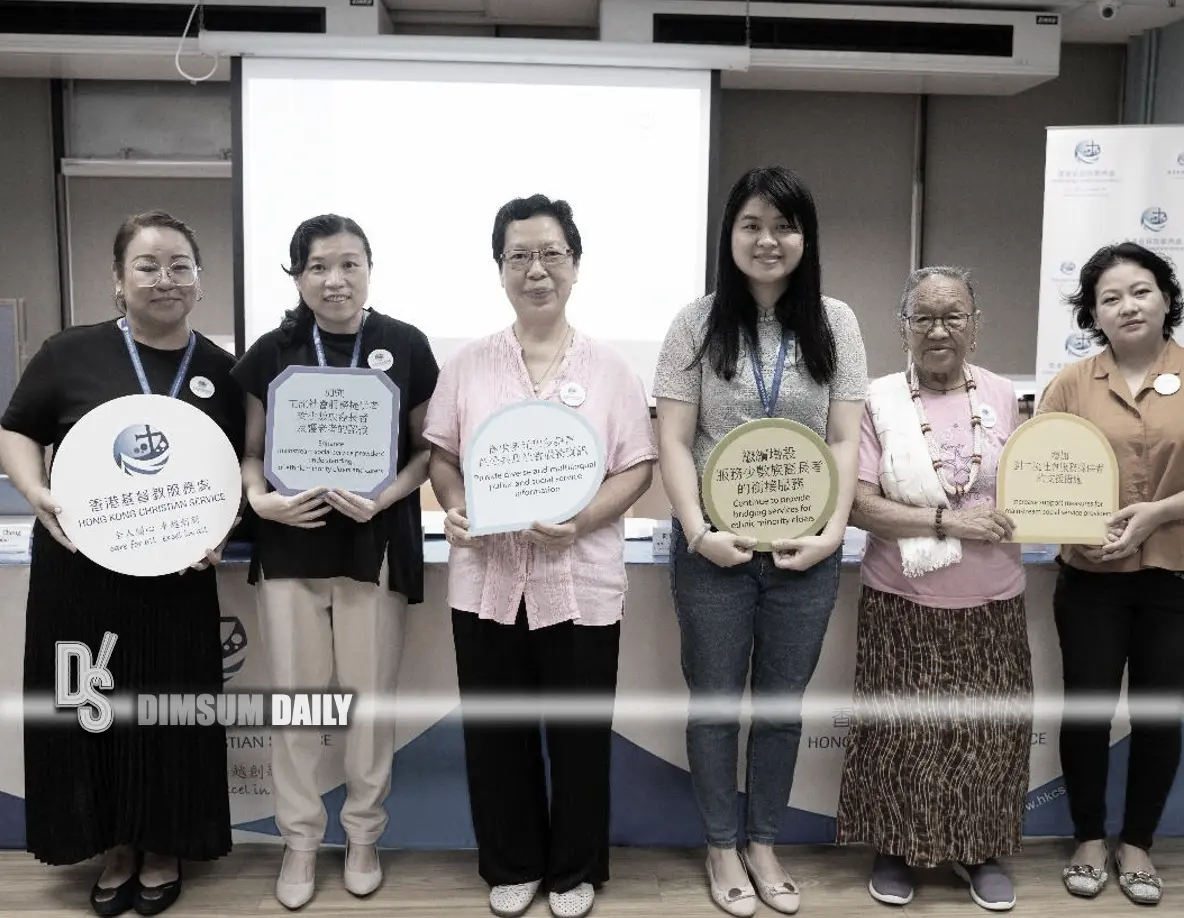
24th July 2024 – (Hong Kong) A study conducted by the Hong Kong Christian Service (HKCS) has exposed a significant gap in the usage of mainstream elderly centre services by ethnic minorities, highlighting a systemic issue that requires immediate attention.
The survey, conducted from November last year to April this year, interviewed 200 South and Southeast Asian elders aged 60 or above and 50 carers, revealing significant barriers that prevent these communities from accessing necessary services.
According to the survey, over half (54.1%) of the ethnic minority carers rated their confidence in mainstream elderly services at a mere 1 to 5 out of 10. Moreover, a staggering 87.6% of ethnic minority elders and carers have never used mainstream elderly centre services. Among those who did, nearly a third reported that language barriers significantly hampered their experience.
The need for long-term care services is urgent, as indicated by the high dependency levels reported by carers, with 50% rating elder dependency between 8 to 10 on a scale where 10 denotes maximum dependency. Carers also highlighted a critical demand for ‘escort services,’ ‘elderly sitting,’ and ‘household cleaning services.’
Viola Tsang, Service Head of Active Ageing & Community Care at HKCS, pointed out the crucial disconnect caused by language and cultural differences. “Nearly 90% of the surveyed elderly have not undergone the Standardised Care Need Assessment Mechanism for Elderly Services, primarily because the assessment tools are available only in Chinese,” Tsang noted. This exclusion from mainstream services results in a lower usage rate compared to the local population.
In response to these challenges, HKCS initiated the ‘Support to Ethnic Elderly Project’ in 2016, funded by the Community Chest. The project aims to bridge the gap by providing outreach, social, and recreational activities, as well as mutual support services. It also helps elders apply for or connect to mainstream services, such as the Senior Citizen Card and medical appointments. Since its inception, the project has served nearly 1,000 people, with 77.5% of ethnic minority elders and 82.0% of carers finding it helpful in integrating them into mainstream society.
Peggy Lau, Project Leader, described the specific needs of ethnic minority elders that require special arrangements, including service understanding, dietary requirements, and gender-specific interactions. “Frontline staff in mainstream services often lack the resources and knowledge to adequately address these needs,” Lau explained, highlighting the importance of bridging services.
Personal stories from the community illustrate the daily challenges faced. Nanda, a Nepalese housewife and carer, shared her struggles with caregiving responsibilities and the relief brought by joining the ‘Support to Ethnic Elderly Project.’ Another participant, Devi, spoke about the difficulties in accessing necessary services due to language barriers, a sentiment echoed by Ameena, who also emphasized the distress caused by potential miscommunication during service delivery.
Based on their survey findings, the Hong Kong Christian Service (HKCS) has proposed several recommendations to improve service accessibility for ethnic minorities. These include maintaining bridging services to help ethnic minorities understand and access mainstream services, thereby enhancing the confidence of service providers. Additionally, the Social Welfare Department is urged to provide multicultural sensitivity and induction training for elder care professionals to better meet the needs of ethnic minorities. The recommendations also call for broader support measures, like the Ethnic Minority District Ambassador program and the hiring of more ethnic minority staff. Moreover, it is suggested that service information should be made available in multiple languages and formats by mainstream service providers and the government to tackle language barriers and improve service uptake effectively.