





























13th August 2026 – (Hong Kong) The Environmental Protection Department will launch a six-month Street Shop Food Waste Recycling Pilot Scheme next month around Chuen Lung Street and Ho Pui Street in Tsuen Wan, covering more than 100 fruit-and-vegetable stalls, meat shops and eateries, even as district councillor Mr Ng Chun-yu warned that thin capacity and awkward hours could leave the trial smelling of failure.
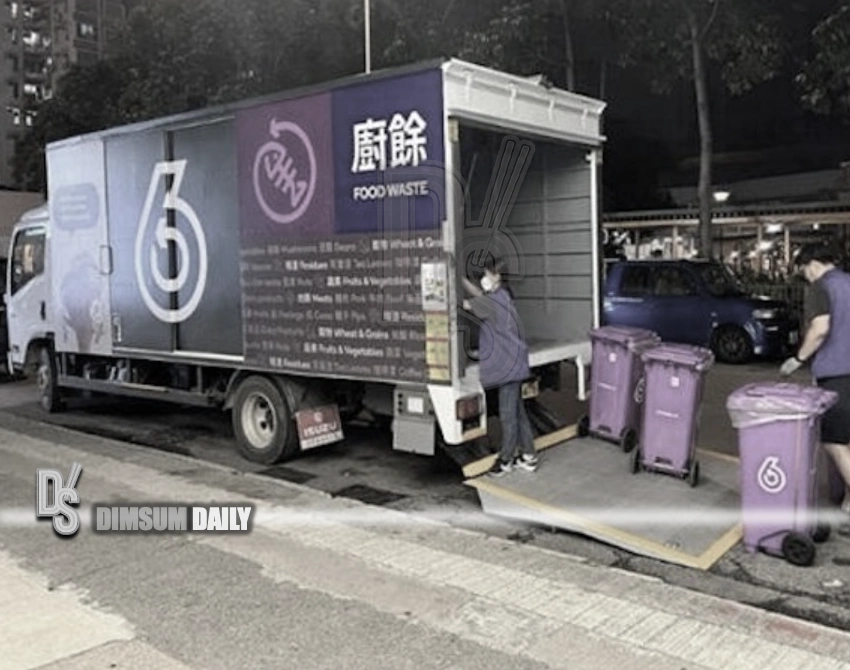
Under the plan the department intends to set up three collection points with six 120-litre food-waste bins in total. Mr Ng said today he worried the bins would not be large enough, that collection times would not match how traders work, and that poor hygiene could breed rats and odour, harming neighbouring businesses and undermining the scheme.
Department figures show Hong Kong sent about 10,510 tonnes of municipal solid waste to landfills each day on average in 2024, with food waste making up about three-tenths of that load. Senior Environmental Protection Officer (Food Waste and Resources Recycling) Ms. Mok Yee-ying told RTHK’s Millennium programme this morning that field checks from November last year to January 2026 found street-shop recycling rates were low mainly because operators knew little about the service and collection points were too far away.
She said Chuen Lung Street and Ho Pui Street were chosen because street shops cluster there, potential food-waste volumes are high, shop types are varied and participation is still low. On hygiene fears, she said bins would provisionally be placed from 9am to 9pm; each time contractors collect they would take away the bins and replace them with clean containers, and shops would be reminded to keep the area tidy. The department would watch usage closely, adjust hours or add points if needed, and use the data to shape a longer-term street-shop strategy.
Mr Ng said he supported recycling in principle but doubted the detail. Many shops already pay contractors to clear rubbish, so there is little incentive to sort scraps and haul them further if the point is distant. With only three sites and six 120-litre bins, he said capacity was “definitely not enough” and a keen response could fill them quickly, yet adding points is hard — too deep in a back alley and traders must walk far; too close to a street mouth and next-door shops suffer.
Food residue in unsealed or infrequently emptied bins can smell and draw rats and flies, he added, worsening alleys that already have rodent problems. He also argued the 9am-to-9pm window misses market stalls that start packing from about 4am, with first rubbish rounds often between 7am and 10am, so scraps may pile up before bins open, while late-closing restaurants lose cover after 9pm.
He urged the department to stay flexible through the six-month trial, try different collection slots and cut extra cost and time for shops. Only if odour, rodents and distance are solved, he said, would the pilot offer a useful model for other districts across Hong Kong.