




























25th October 2026 – (Tokyo) A Taiwanese bank wealth manager in his forties collapsed near his hotel on a staff trip to Tokyo with a ruptured brain aneurysm — and ten days of Japanese emergency care plus a medical jet home ran past NT$8 million, or about HK$1.9 million.
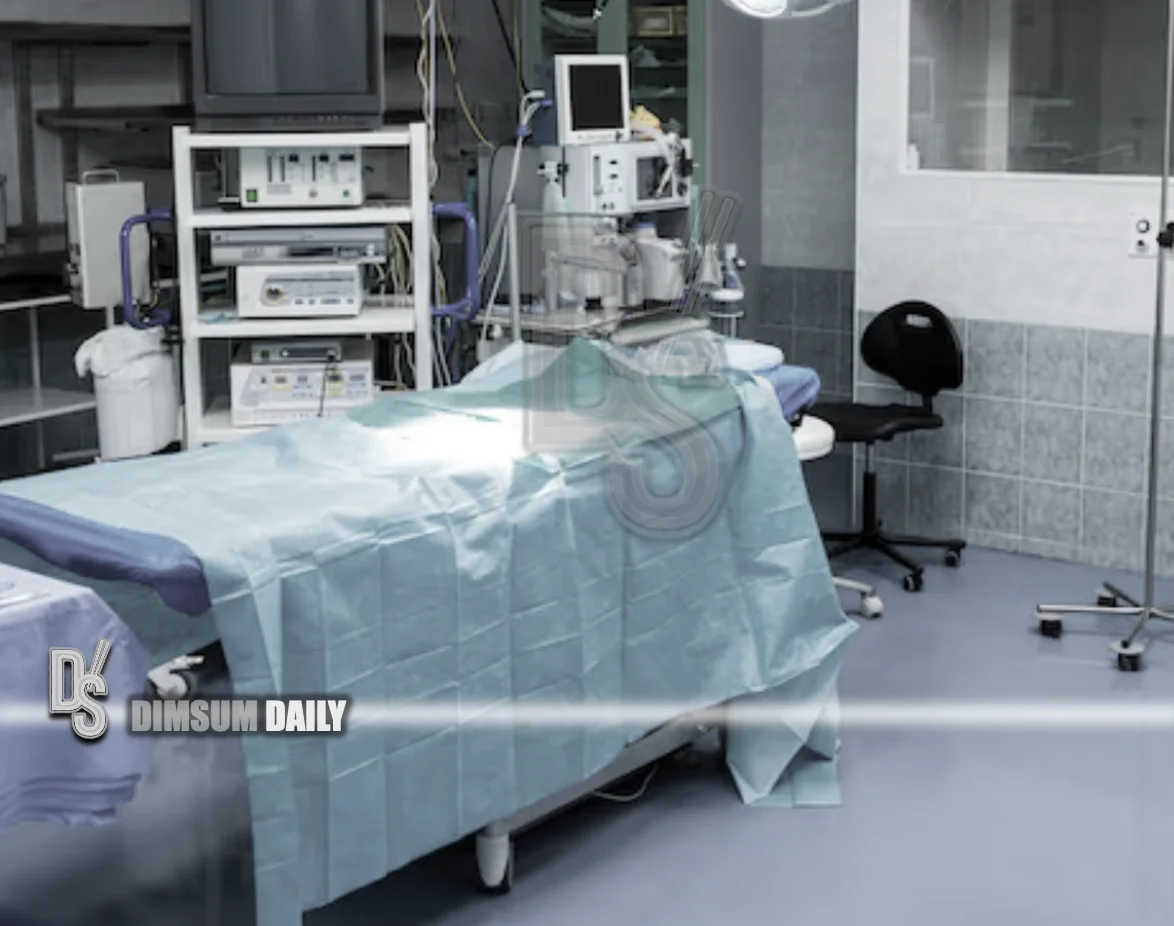
Colleagues raised the alarm after he failed to return overnight. He had been walking near Tsukiji for less than five minutes when he fell; searchers later found him unconscious by the roadside. At St. Luke’s International Hospital doctors diagnosed a ruptured cerebral aneurysm, a life-threatening cerebrovascular emergency, and moved straight to catheter embolisation. The bill climbed fast: more than NT$3 million (about HK$720,000) for the first night through the following day alone, then about NT$6 million (roughly HK$1.45 million) after ten days in hospital. With costs still rising, his family arranged an air ambulance back to Taiwan so treatment could continue in a familiar system — pushing the whole Japan episode above NT$8 million once the jet was included.
Lu Li-hua, executive director of the aeromedical rescue centre at Tungs’ Taichung MetroHarbor Hospital, said public reimbursement for overseas emergency care has hard ceilings. Travellers should read travel insurance wordings before departure and check whether sudden illness abroad and medical evacuation are covered at all. Overseas emergency treatment, he stressed, is not a case of “spend whatever, reclaim whatever” — payouts are often a drop in the ocean beside the true invoice.
A second case from two years earlier underlined how geography multiplies the cost. A woman in her sixties fractured her spine in a burst injury on a cycling tour in Burqin, Xinjiang, before the Mid-Autumn holiday. Poor local transport forced an emergency call to Lu’s team: rescuers flew to Beijing, connected to Urumqi, then rode an ambulance 1,100 kilometres to Burqin, mirrored the same distance back to Urumqi, flew on to Shenzhen and only then returned to Taiwan — nearly NT$1 million for the evacuation alone.
Lu urged older travellers and people with chronic illness to plan for the worst as carefully as for sightseeing: weigh personal health against local hospitals and roads, and buy cover that matches the trip. Policies should be checked for overseas medical benefits, emergency repatriation, benefit limits, exclusions and the small print on when a medical flight is allowed. Buying more policies, he added, does not automatically mean better protection — the right mix for the journey matters more than a thick stack of certificates.