































31st October 2026 – (Madrid) A fresh analysis of the Testimonium Flavianum, the much‑debated passage about Jesus in Flavius Josephus’s Jewish Antiquities written around AD 93 to 94, has proposed that certain lines in later copies may echo a first‑century report of Jesus’s followers claiming he appeared alive after the crucifixion. Independent Spanish researcher Jesús Fernández‑Pedrera Correa compared surviving Greek, Latin, Arabic and Syriac witnesses transmitted through centuries of copying, quotation and retelling, and contends that divergences between them point to an original phrasing in which Josephus recorded what disciples said they had seen, rather than endorsing the resurrection as established fact.
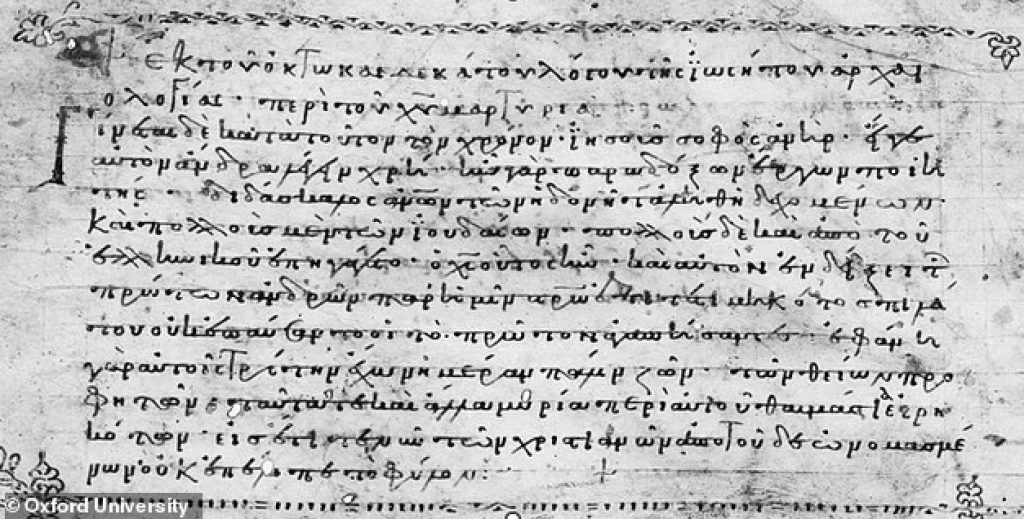
The study notes that the Greek tradition includes language linking an appearance on “the third day” to the fulfilment of prophecy, wording the researcher regards as more characteristic of Christian proclamation than of a non‑Christian historian. By contrast, Latin renderings state that Jesus “appeared to them the third day alive,” while the Arabic version frames the episode as a report made by the disciples, and the Syriac similarly preserves an appearance without the same overt theological accent. Taken together, he argues, these strands could preserve traces of a reportorial account that was later amplified by Christian scribes.
Longstanding scholarly doubts over other overtly Christian phrases in the passage provide additional context. The declaration that Jesus “was the Christ” is treated more cautiously outside the Greek tradition, with versions indicating that he was believed or thought to be the Messiah, and early Christian writer Origen explicitly stating that Josephus did not accept Jesus as the Messiah. Another disputed clause questioning whether Jesus should even be called a man appears in some lines of transmission but is absent in the Arabic account, a variation the researcher views as consistent with later embellishment rather than Josephus’s voice.
While stressing that the reconstruction is plausible rather than proven, the analysis also highlights a closing notice about the continued existence of Jesus’s followers during Josephus’s own era, which aligns with the historian’s style and faces little textual disagreement. Because Josephus’s autograph does not survive, the work relies on later copies and paraphrases dating from the late fourth to the twelfth centuries, and the author acknowledges that the available evidence cannot establish with certainty how much of the resurrection wording stems from Josephus himself as opposed to subsequent editorial shaping.