





























 has highlighted alarming trends among youths, with nearly half considering themselves failures and over half experiencing secondary trauma that negatively impacts their mental health. The survey, involving 597 individuals aged 12 to 24, aimed to explore the emotional consequences of perceived failure, particularly in academic settings.)
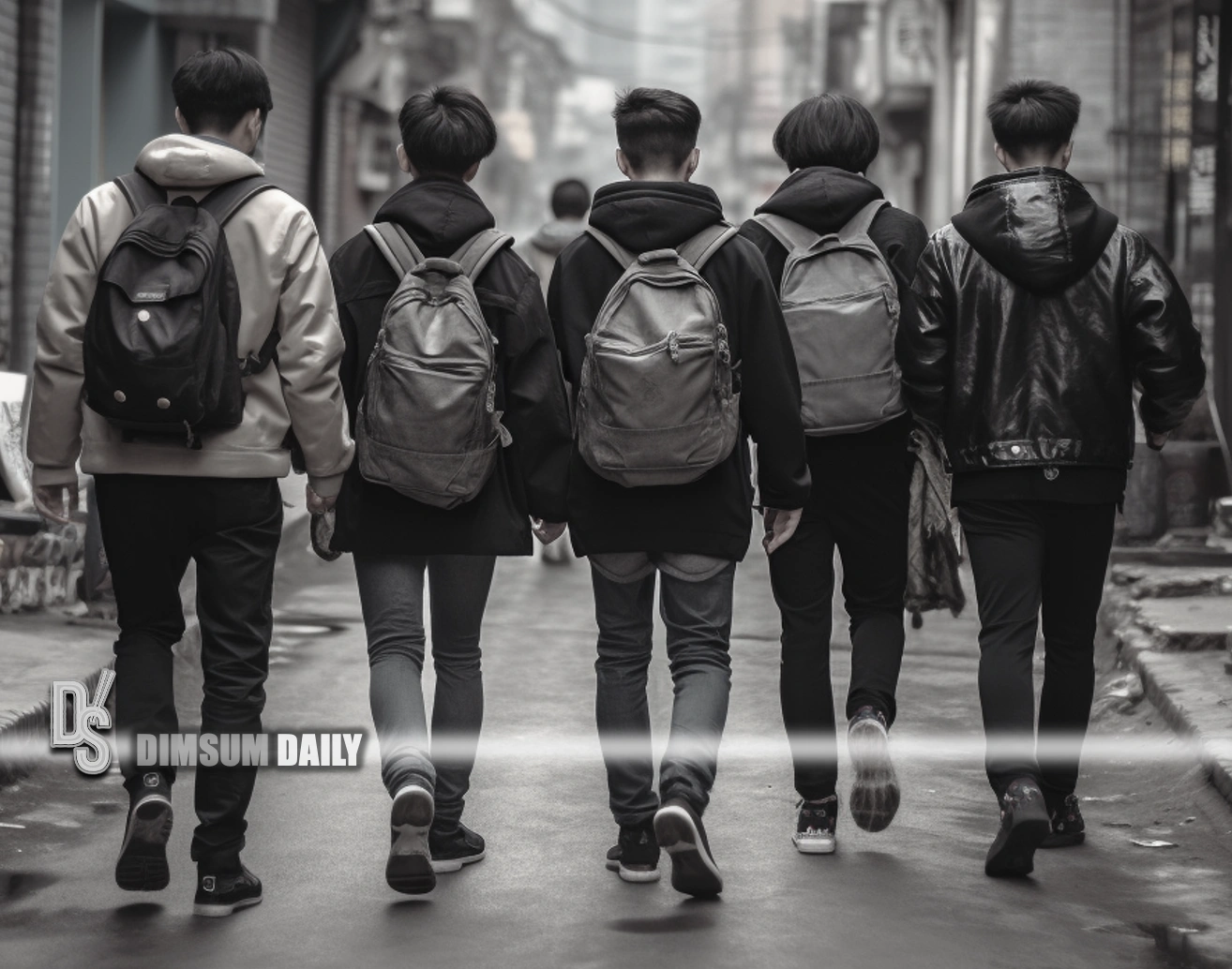
14th December 2024 – (Hong Kong) A recent survey conducted by Hong Kong Christian Service (HKCS) has highlighted alarming trends among youths, with nearly half considering themselves failures and over half experiencing secondary trauma that negatively impacts their mental health. The survey, involving 597 individuals aged 12 to 24, aimed to explore the emotional consequences of perceived failure, particularly in academic settings.
The findings revealed that 48.3% of respondents rated their ‘failure index’ at 6 or above on a scale of 10, indicating significant feelings of inadequacy, primarily linked to academic performance. Participants defined failure largely as not achieving personal goals (82.1%), not fully demonstrating their abilities (51.8%), and failing to meet others’ expectations (42.4%). The average failure index score stood at 5.6.
Secondary trauma emerged as a critical issue, with 55.0% of youths reporting blame from others post-failure, predominantly from family members (76.5%). This negative feedback included excessive concern and public disclosure of issues without consent, further exacerbating feelings of defeat and leading to mental health issues.
The survey also assessed mental health through the General Health Questionnaire (GHQ-12), revealing that 3.4% of participants experienced significant psychological distress. Notably, the data indicated a correlation between secondary trauma and poorer mental health outcomes, with family-induced trauma having a more profound effect than the experience of failure itself.
The fear of failure was evident, with 66.0% of youths citing concerns primarily stemming from others’ expectations. The Achievement Motives Scale (AMS) indicated that the motivation to avoid failure outweighed the desire for success. This focus on avoiding failure was linked to declining mental health, suggesting that addressing youths’ fear of failure may be more beneficial than solely encouraging success.
Personal accounts, such as that of 23-year-old Gigi (a pseudonym), illustrated the real-life impact of these issues. After struggling with emotional challenges during her first year at university, Gigi faced negative familial comments that deepened her distress. However, participation in HKCS’s ‘Fail Forward-Life Development Programme’ helped her confront her failures and rebuild her confidence. Gigi now supports others through her role as a ‘FAIL Docent’ at HKCS.
In response to these findings, HKCS recommends a collaborative approach among families, schools, and social service agencies to support youths facing failures. Key recommendations include:
- Assist youths in facing failure: Conduct group interventions to help youths explore their experiences and establish personal values, fostering a sense of hope and societal engagement.
- Strengthen support networks: Enhance understanding of youths’ emotions to reduce secondary trauma, and provide resources for parents to improve communication and emotional responses.
- Create an accepting growth environment: Broaden definitions of failure and success through public education, promoting a culture of acceptance and emotional recognition within schools.