





















20th April 2025 – (Beijing) The Trump administration’s escalating trade war with China was supposed to punish Beijing and bring manufacturing jobs back to America. Instead, it’s creating an unexpected boom in one sector: Chinese tourism. As US tariffs push retail prices to untenable levels—with Christmas decorations set to double in cost and luxury goods becoming prohibitively expensive—a growing wave of middle-class Americans are discovering the loophole in Trump’s protectionist policies. Why pay inflated prices at home when you can fly to China, shop tax-free, and enjoy a holiday for less than the cost of stateside retail markups?
This retail exodus is being fuelled by two strategic policy moves from Beijing. First, China’s dramatic expansion of visa-free transit from 144 to 240 hours (10 full days) allows Americans to turn what would have been a tedious layover into a full-fledged shopping spree across major cities like Shanghai, Beijing, and Guangzhou. Second, the nationwide rollout of instant VAT refunds at point of purchase—where foreign tourists receive 11% cash back immediately—effectively makes China the world’s largest duty-free shopping mall.
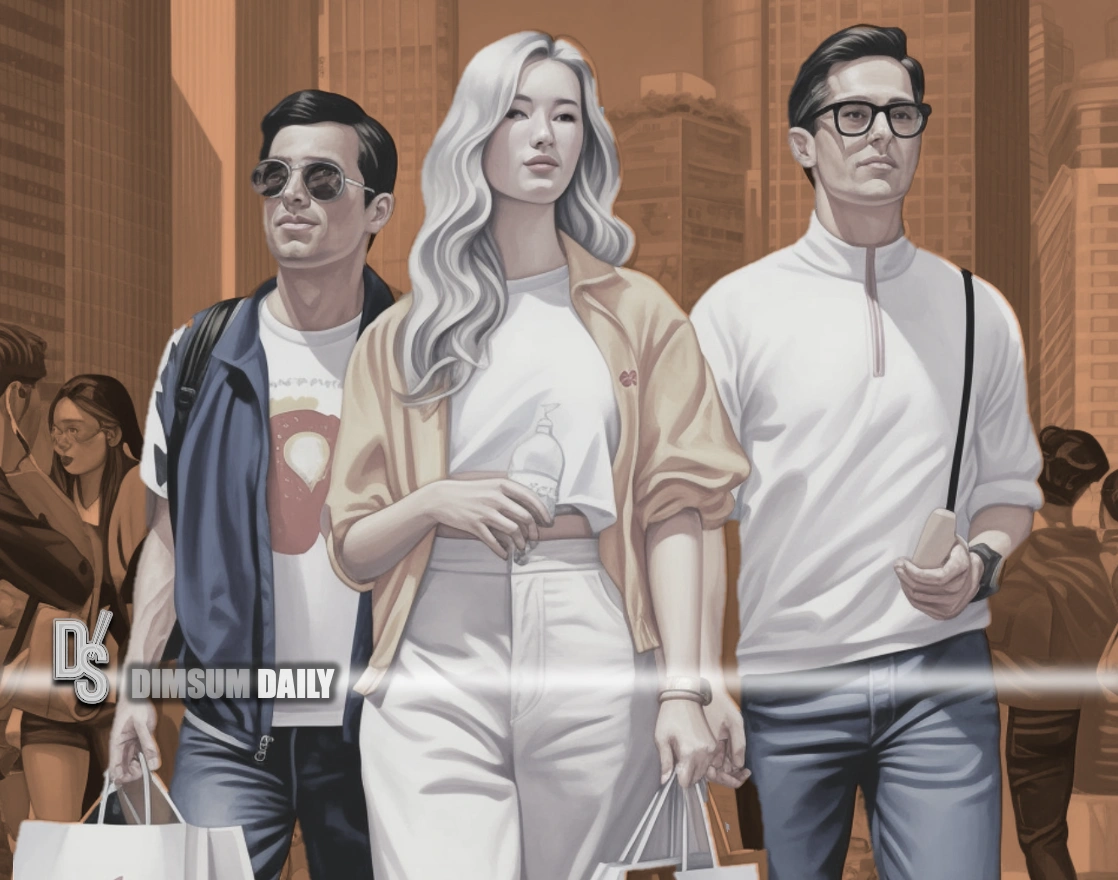
Consider a Louis Vuitton handbag that retails for $2,000 in New York. After Trump’s 145% tariffs on Chinese-made luxury goods, that same bag now costs over $4,900 stateside. Fly to China, buy it for the original $2,000, claim a $220 instant VAT refund, and suddenly you’re paying $1,780—a savings of $3,120 that more than covers your airfare. This explains why Chengdu’s SKP mall and Shanghai’s Nanjing Road are seeing unprecedented numbers of American shoppers clutching newly purchased luxury goods and stacks of refund receipts.
Christmas shopping provides the most striking example of this trend. Yiwu—the Zhejiang province city that manufactures 90% of America’s holiday decorations—has become an unlikely tourist destination. Where U.S. retailers now face impossible 145% tariffs on Chinese-made ornaments, American families are bypassing middlemen entirely. They’re flying to Shanghai, taking the bullet train to Yiwu’s wholesale markets, and loading suitcases with direct-from-factory Christmas trees, lights, and decorations at 70% below US retail prices—all while enjoying 10 visa-free days exploring China’s holiday production capital.
The phenomenon extends beyond luxury goods and seasonal items. U.S. college students have formed “China buying clubs” where group trips are organised to purchase everything from $20 insulated water bottles (half the U.S. price) to designer knockoffs unavailable stateside. Social media feeds now brim with tutorials on “The China Shopping Hack”—complete with spreadsheets comparing airfare costs against projected tariff savings for various product categories.
Meanwhile, iShowSpeed, the Ohio-born YouTube sensation with 37 million followers, is transforming how Americans perceive China through his recent viral livestreams from Beijing and Shanghai. His six-hour adventures showcased a vibrant and welcoming side of the country rarely highlighted in Western media: clean streets, fast subway internet, friendly locals challenging him to ping-pong, and delicious street food. With highlights like climbing the Great Wall, exploring the Forbidden City, and playing basketball with Chinese teenagers, his content has amassed 10 million views in just days, earning praise from Chinese state media as an example of fostering “mutual understanding” amid global tensions.
This shift in perspective is significant for shopping tourism. iShowSpeed’s unfiltered excitement portrays China as an accessible and fun destination, countering years of negative stereotypes. His massive Gen Z fanbase now sees China as a must-visit spot rather than just a manufacturing hub, while his enthusiasm for local culture, such as raving about 5G speeds and bonding with locals over basketball, helps break down barriers that often deter casual travellers.
Beijing has been quick to capitalise on this unexpected tourism windfall. Beyond the VAT refunds, China’s State Taxation Administration has partnered with Alipay and WeChat Pay to enable digital refund processing, while luxury boutiques in major cities now employ English-speaking staff specifically trained to assist American shoppers. The timing couldn’t be more fortuitous for China’s economy—just as its exports face Trump’s trade barriers, wealthy Western consumers are arriving to compensate by spending directly in Chinese stores.
While Trump’s tariffs were intended to harm Chinese manufacturers, they have inadvertently created a new economic ecosystem where American shoppers actively bypass their domestic retail sector. Chinese e-commerce platforms are now capitalising on this trend by offering “shopping tour packages” that include flights, hotels, and personal shoppers, further fuelling the phenomenon. Meanwhile, U.S. retailers are left powerless as their customers flock to China, credit cards in hand, turning what was meant to be a trade war into an unexpected tourism boom. For many, the allure of luxury goods at significantly lower prices, coupled with tax refunds, has transformed these trips into a practical alternative to shopping stateside.
What began as a political manoeuvre has given rise to a distinct travel niche—the tariff-avoidance shopping holiday. With 10-day visa-free entries, travellers turn layovers into full-fledged shopping trips, taking advantage of instant 11% VAT refunds that make luxury items 30-50% cheaper than in the U.S. Major hubs like Yiwu’s Christmas markets now cater directly to Americans dodging 145% tariffs, while Chinese luxury boutiques staff English-speaking consultants to serve their growing foreign clientele. For U.S. college students, group trips organised by “buying clubs” have become a strategy to sidestep inflated campus store prices. The result is a unique economic shift, where a Chanel bag and a vacation in Shanghai can cost less than buying the same product in the U.S., making Trump’s tariffs an unintended driver of China-bound tourism.