






























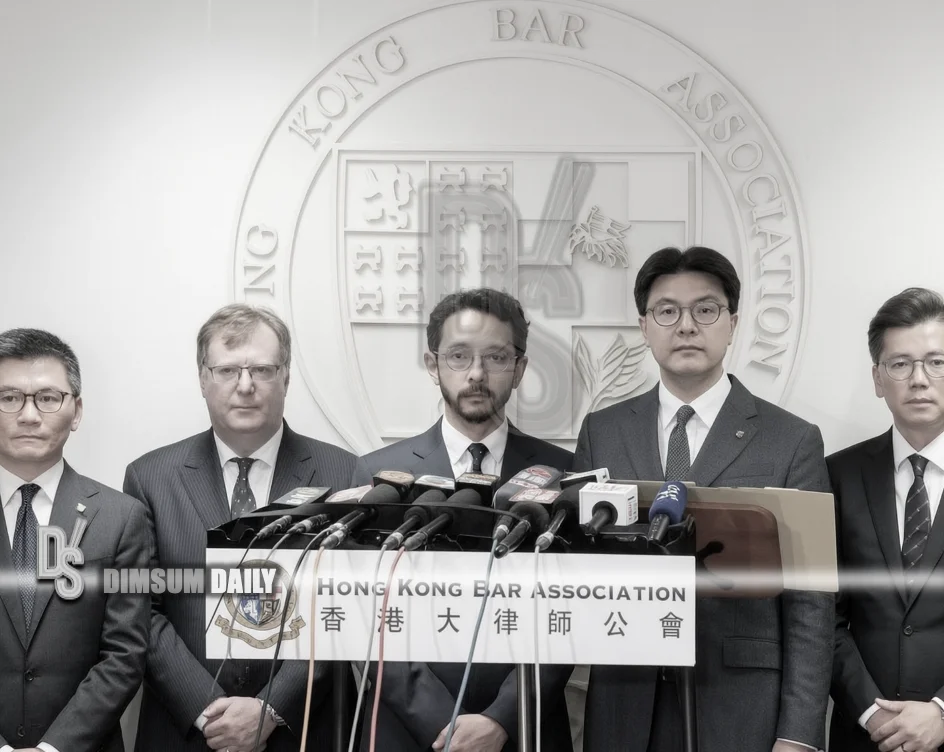
1st November 2026 – (Hong Kong) The Hong Kong Bar Association is pressing owners’ corporations to use dual-envelope tendering for large renovation jobs and to keep a hard record that bars non-compliant contractors from OC projects — part of roughly 50 proposed amendments across at least six ordinancesp o0 n aimed at cleaner bidding after the Tai Po fire disaster.
A Bar Association Tai Po fire legal research subcommittee report, released today, says the work was done independently and did not draw on the independent committee’s conclusions or the government’s latest reform package. Its stated aims are transparent tender marking, cutting conflict chains and deterring anti-competitive conduct in building maintenance.
On the Building Management Ordinance, the barristers want any OC works above a set money threshold to be submitted in dual envelopes: the technical proposal must clear a published minimum score before the price envelope is opened. Assessment criteria and weightings would have to be disclosed to all owners. Bids above the threshold would also require each tenderer — including consultants — to file a standard safety record form, with anyone below the bar ruled out of consideration.
For the Buildings Ordinance, they propose a safety demerit-point system. Contractors who rack up too many points from safety convictions or disciplinary breaches would be banned for a set period from taking OC projects or minor works above a designated value — with the ban stretching to related companies and behind-the-scenes controllers. Registered structural engineers, authorised persons and similar professionals would face a statutory duty to declare actual and potential conflicts before and after appointment.
On competition law, the Bar in principle supports amending the Competition Ordinance to criminalise bid-rigging alongside the existing civil track, with clearer safeguards against double jeopardy. Offence elements — definition, burden of proof and intent — must be sharp, and the leniency regime’s fate in criminal cases clarified so whistle-blowers still have a reason to come forward.