




























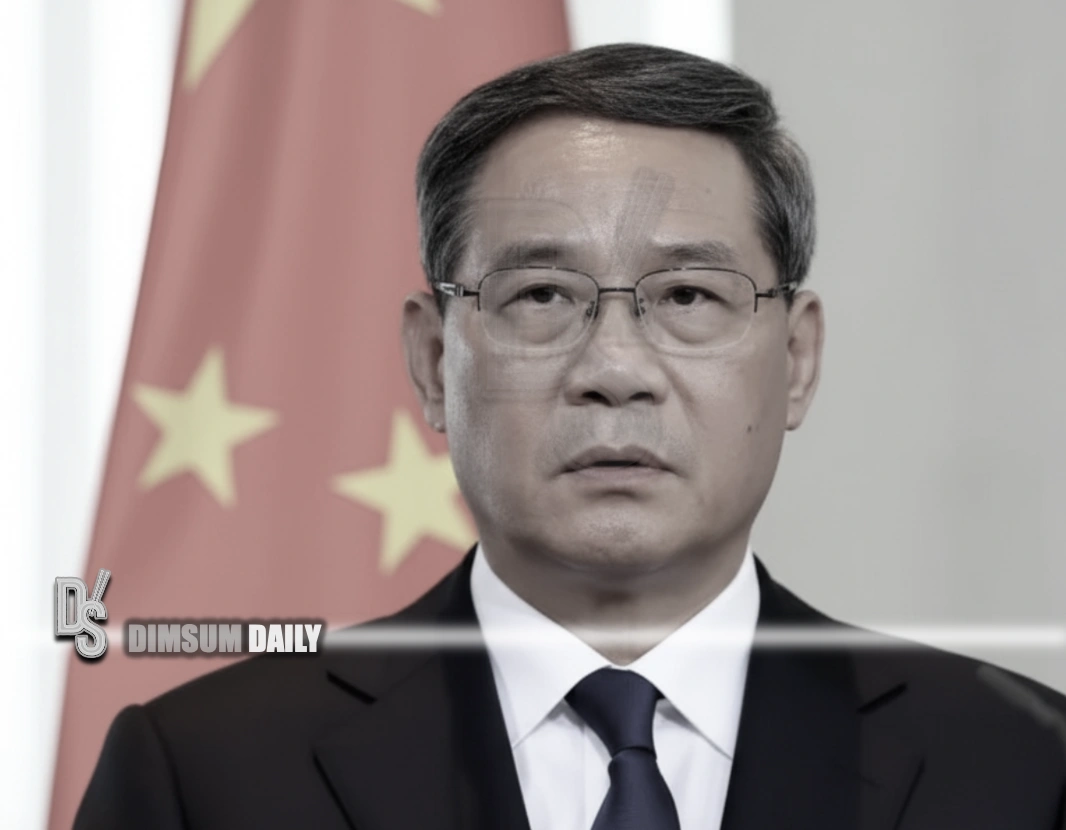
29th June 2026 – (Beijing) Chinese Premier Li Qiang on Monday presided over an executive meeting of the State Council that focused on artificial intelligence, foreign trade strategy and long-term economic and social planning through 2030.
The session examined the current trade environment and outlined steps towards strengthening China’s position as a leading global trading nation. Officials stressed the need to expand imports of high-quality goods and services while promoting a more balanced relationship between imports and exports. Greater emphasis will be placed on raising the brand value of traded goods, increasing product value-added content and improving performance in services and digital trade.
The meeting also highlighted the importance of cultivating new growth engines in the green economy. Participants called for accelerating the low-carbon transformation of industries, advancing environmentally sustainable production methods and encouraging greener lifestyles among consumers.
Artificial intelligence was a central topic of discussion. The meeting urged proactive efforts to secure technological leadership, including faster breakthroughs in core technologies and the development of ultra-large-scale intelligent computing infrastructure. Stronger support for key resources such as skilled talent and financial investment was identified as essential.
Officials further called for speeding up the large-scale commercial deployment of AI-enabled products and services, while maintaining strict safeguards to ensure technological security. China will also seek deeper international cooperation on AI governance frameworks.
In addition to economic and technology issues, the State Council reviewed and approved an action plan for carbon peaking as well as a national health development plan, both covering the 15th Five-Year Plan period from 2026 to 2030.
On healthcare, the meeting emphasised the creation of a comprehensive, full life-cycle health service system. Plans include expanding the health industry, broadening the availability of health-related products and strengthening oversight to ensure quality and safety standards are upheld.