























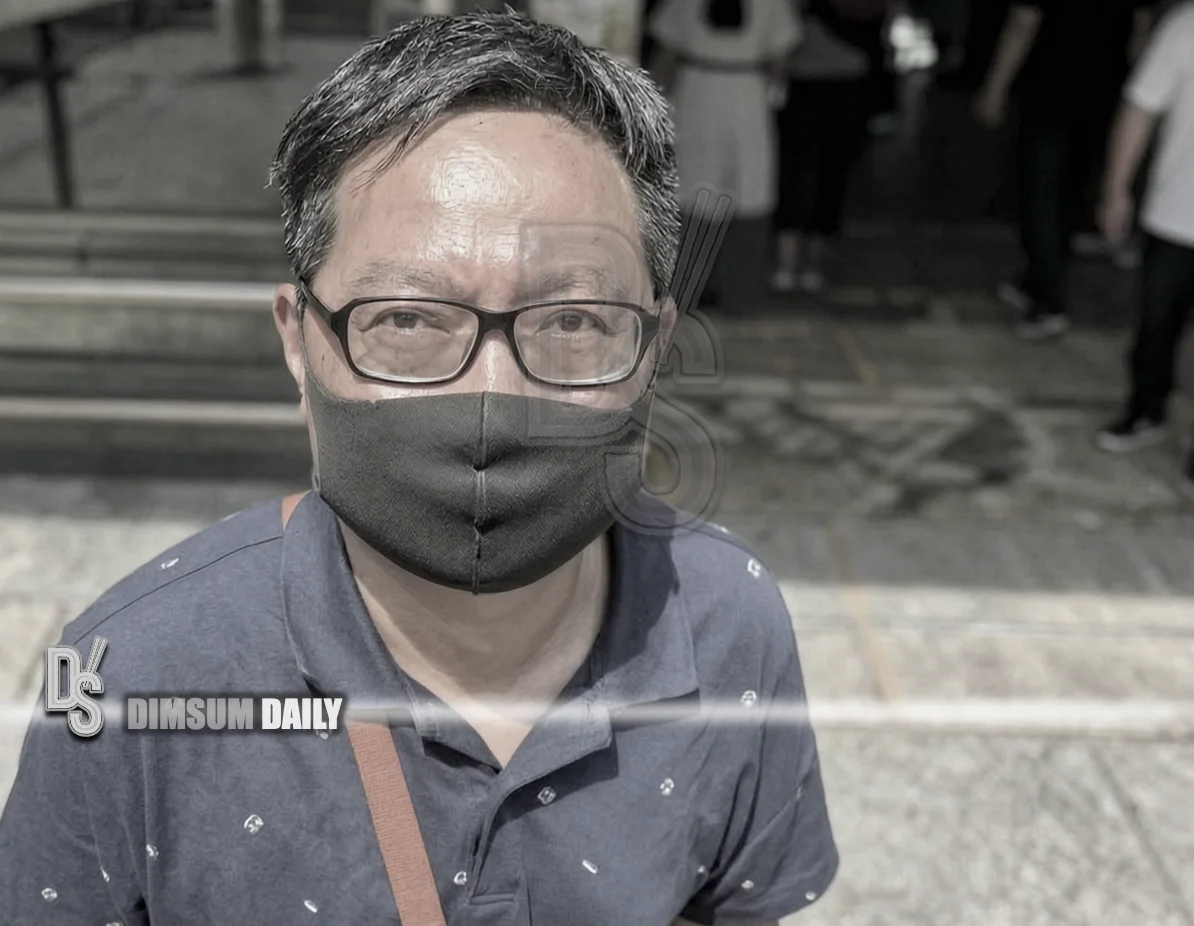
27th October 2026 – (Hong Kong) A Deliveroo rider who was left with skull and brain damage after collapsing on a delivery run is pressing an employees’ compensation claim against the food platform — which insists the pair never had an employment relationship — as District Judge Phillis Loh Lai-ping adjourned her ruling after today’s strike-out hearing.
Applicant Lok Sze-chun sued Deliveroo Hong Kong Limited in the District Court two years ago under the Employees’ Compensation Ordinance, asking the court to fix the sum due after what he says was an injury at work while employed by the platform. The company applied to strike out his amended employees’ compensation application. Deliveroo left the Hong Kong market in March 2025.
According to the writ, Lok was 43 at the time of the accident. At about 11pm on 29th December 2022, while delivering food, he was found unconscious outside the entrance to Lingnan University with serious head injuries and was taken to hospital. He suffered damage to the right side of his brain and skull, frequent facial spasms and involuntary drooling. Hearing and vision on his left side were impaired, his memory declined, his left forearm felt numb, his left foot became deformed and his mobility on the left side of his body was reduced. He spent more than five months in hospital and has continued to obtain sick-leave certificates since.
At the heart of the case is whether a gig platform and its riders stand in an employer–employee relationship. Lok argued that the court should look beyond the written terms to how the work was actually arranged. Deliveroo replied that it never limited riders’ hours, never required uniforms and never dictated how they worked; riders could go online and take orders whenever they chose, and turning down a job did not affect later allocations. Even a bonus scheme, the company said, did not create employment.
Lok also pointed to rules that riders must keep phone location services on, follow system assignments and accept monitoring. Deliveroo said those features had a practical purpose — letting merchants track where their food was — and that bonuses only encouraged orders rather than compelled them. On that footing, counsel argued, there was no employment relationship and the court should assess each side’s duties under the “supplier’s agreement” instead.
Judge Loh reserved her decision after hearing both sides. The strike-out fight leaves open a wider question for Hong Kong’s gig economy: whether a rider found unconscious outside Lingnan University, who still carries sick-leave papers years later, can force a departed platform to answer under the Employees’ Compensation Ordinance — or whether the paper label of a supplier contract is enough to keep the claim out of a full trial.