




























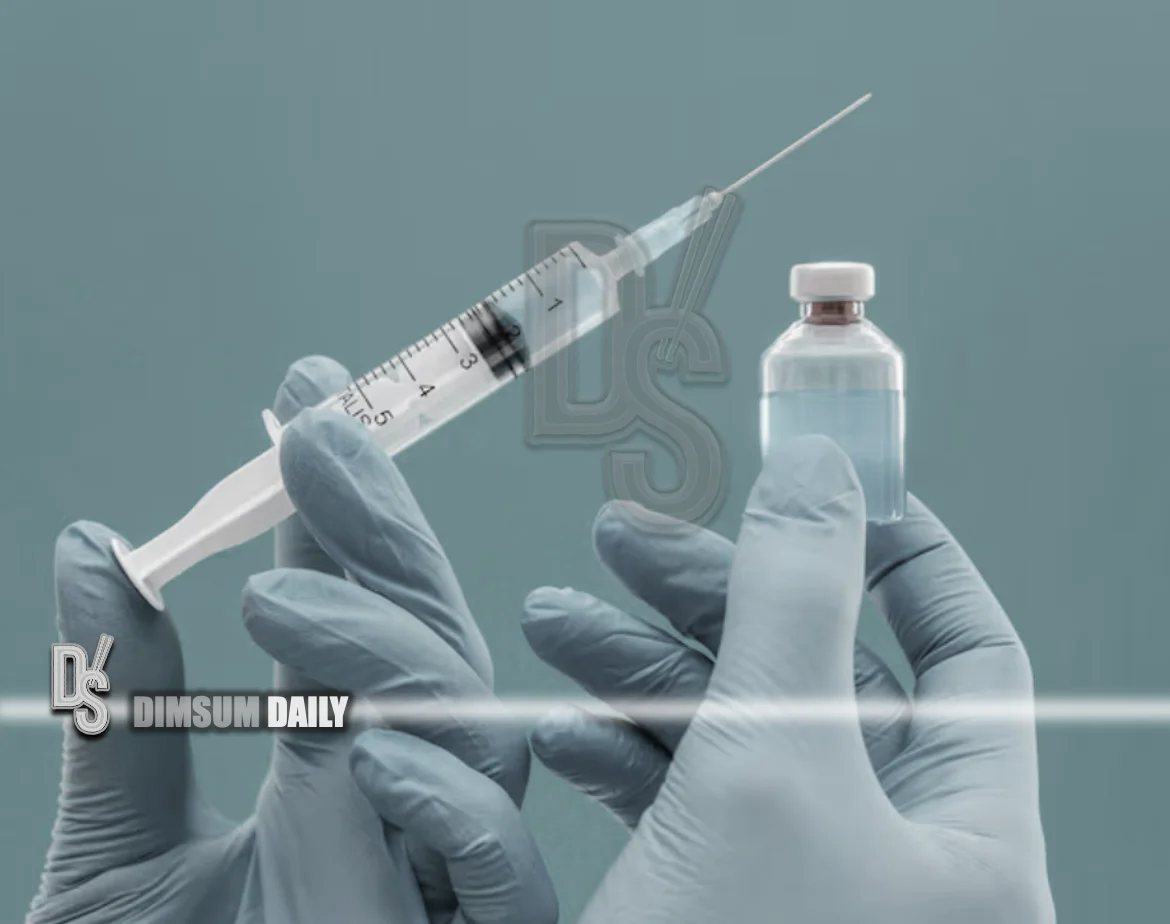
30th October 2026 – (Hong Kong) The Hospital Authority today published issue 81 of its Risk Alert quarterly, listing 21 serious near-miss incidents — all medication errors — including a case in which an intern injected five times the intended dose of a sedative after a restless patient bit through a breathing-tube.
In that episode, a patient with lymphoma and pneumonia became agitated and chewed through the ventilator tubing. A doctor prescribed 3 milligrams of the sedative midazolam to calm the patient. Ward staff prepared a syringe already filled with 15 millilitres and reminded the intern to give only 3 millilitres. After a communication failure, the intern still emptied the whole 15 millilitres into the patient — five times the prescribed amount. The patient went into shock and needed an antidote.
The authority advised that syringes should in future be pre-loaded only with the exact volume prescribed, and urged front-line staff to stop and clarify whenever they have any clinical doubt before proceeding.
A separate medication-related warning concerned anticoagulant bridging. A patient with a mechanical mitral valve on long-term warfarin was admitted before a planned colonoscopy for peri-operative anticoagulant bridging. The procedure itself went smoothly, but afterwards the team stopped daily international normalised ratio (INR) monitoring too early.
The patient insisted on leaving hospital before bridging was finished and without a fresh INR check. Two days later the patient presented to an accident and emergency department with an acute stroke, left-sided hemiplegia and a low INR. Imaging showed occlusion of the right internal carotid and middle cerebral arteries.
Officials said teams must stick strictly to established bridging protocols, especially for patients who combine high clotting and high bleeding risk. They also stressed clear, detailed records of every clinical decision and family discussion, stronger cross-team communication, and continuity of care so treatment is not cut short.
Risk Alert also revisited meal-ordering safety after several wrong-diet accidents in recent years. Before ordering food, staff must assess the patient’s condition and check the dietary history — including assessment forms, speech therapist notes, nursing summaries and information from carers.
Teams should judge whether swallowing is safe and arrange meals only when there is no concern about choking, coughing or swallowing difficulty. If any doubt remains, diet plans should be paused at once, the medical team informed, and the speech therapy department asked to assess swallowing, to reduce the chance of choking accidents.
Taken together, the bulletin frames the midazolam overdose, the unfinished warfarin bridge and the meal-safety reminders as the same underlying lesson: stop when instructions are unclear, load only what was prescribed, and keep high-risk protocols intact until the clinical pathway is complete.