






























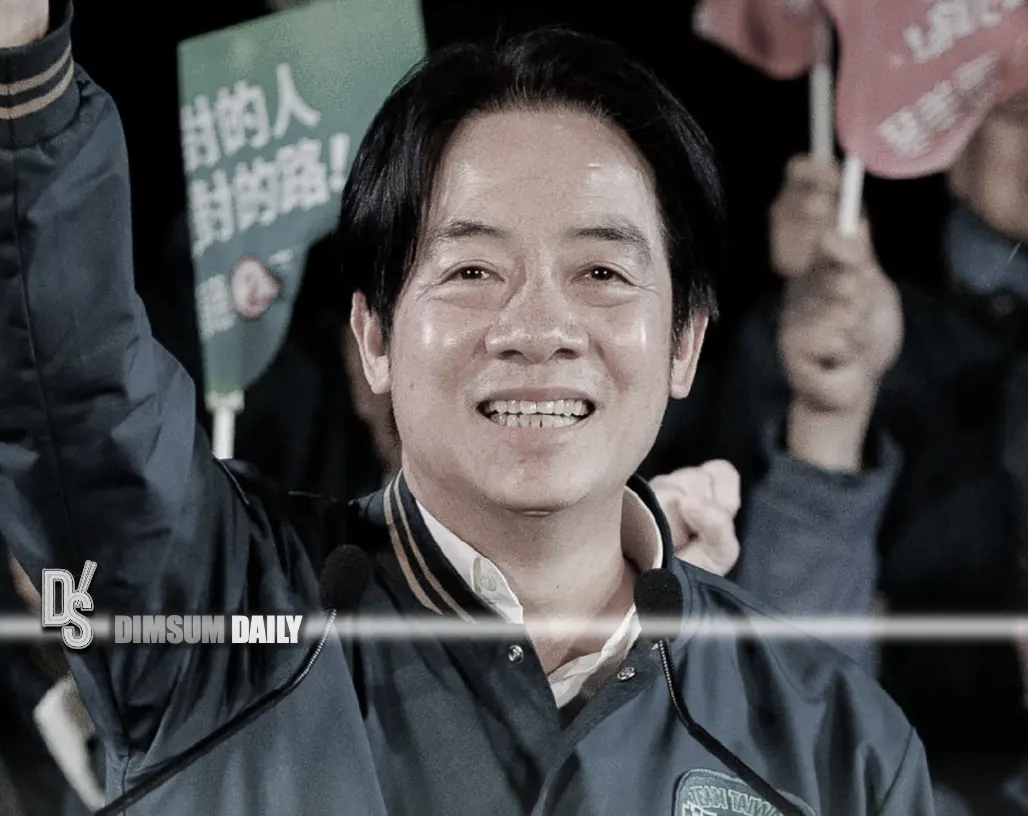
26th December 2025 – (Taipei) Taiwan’s legislature on Friday approved a motion to initiate impeachment proceedings against the island’s leader, President William Lai Ching-te, in a move widely seen as a reflection of deepening political polarisation. The Legislative Yuan voted 60 to 51 in favour of the motion, which accuses Lai of undermining Taiwan’s constitutional order and democratic system. Under legislative procedures, lawmakers are expected to hold a formal impeachment vote on 19th May.
The motion follows the Lai administration’s refusal to implement a fiscal amendment passed by the opposition-controlled legislature that would have increased the share of public revenue allocated to local governments. It is the first time in the island’s modern political history that the executive branch has declined to promulgate a law approved by parliament.
As head of the executive branch, Premier Cho Jung-tai is also exposed to potential impeachment for failing to countersign the amendment. Opposition parties, led by the Kuomintang (KMT) and the Taiwan People’s Party (TPP), on Friday formally triggered impeachment proceedings against both Lai and Cho, alleging they violated the constitution and breached legislative norms.
Lawmakers from the KMT, the TPP and two independents hold enough seats to start the process but fall short of the two-thirds majority required to pass the impeachment vote scheduled for May. Analysts therefore expect the effort to struggle in Taiwan’s Constitutional Court, even if it clears the legislature.
Observers say the move is largely symbolic, offering the opposition a platform to register discontent with Lai’s presidency and Cho’s premiership.
“It’s not possible to have a real impeachment; however, they want to make a record that President Lai would be the first president considered impeached in the history of Taiwan’s democracy,” said Yen-tu Su, a constitutional law and democratic theory specialist at Academia Sinica, the island’s leading research institution.
“It’s a way to register their protest, to humiliate the president, and also to retaliate against the executive branch’s refusal to promulgate legislation passed by the legislators,” he told Al Jazeera.
Taiwan’s politics have been gridlocked since Lai assumed office in 2024, presiding over a divided government. While his centre-left Democratic Progressive Party (DPP) secured an unprecedented third consecutive presidential term, it lost its majority in the Legislative Yuan, ushering in a period of sustained confrontation.
Parties have clashed over core issues including the national budget, relations with China and appointments to the Constitutional Court, whose functioning has been paralysed for much of the year amid partisan deadlock. Lai’s administration is still struggling to secure approval for key parts of the 2026 budget, while the KMT has blocked a high-profile supplementary defence package worth around US$40 billion.
Earlier this month, Premier Cho vetoed a bill intended to ease the allocation of tax revenues between central and local governments, arguing that the proposal was not financially or administratively viable. That decision was a key trigger for the current impeachment drive.