





























25th October 2026 – (Hong Kong) Six months after the electric private-car “one-for-one” tax concession expired, first registrations under the scheme collapsed to just 104 in September — about 98 per cent below March — while petrol cars edged past electrics in overall new private-car share for the first time in years.
This year’s Budget said the scheme would not continue after 31st March, triggering a rush for the last chance. The Transport Department earlier reported about 13,500 applications in March, with extra staff clearing approvals by May. Fresh departmental figures show that as those cases finished processing, only 104 electric private cars completed first registration through the scheme in September, against 5,448 in March. Across March to May roughly 16,000 applications completed first registration in time for the final window, peaking at 6,427 in April.
In the wider market, Transport Department first-registration details recorded 2,698 new private cars in September. Of those, 1,382 were petrol vehicles — including hybrids and plug-in hybrids — or 51.22 per cent, while 1,316 were electric, or 48.78 per cent. Analysts dubbed the flip a “death cross”: the first recent month in which petrol new registrations outnumbered electrics, ending a stretch when battery cars dominated. Even during the one-for-one years from 2023 to 2026, the data show a steady band of about 900 to 1,300 monthly buyers still choosing petrol.
Launched in the 2018 Budget, one-for-one let eligible owners scrap a qualifying old private car and buy a new electric one for a higher first-registration tax concession, capped at HK$250,000. Electric first registrations first overtook petrol in March 2022; from 2023 to 2025 their share of new private cars stayed above 60 per cent and later topped 70 per cent — seven in every ten new cars. After the February Budget said the scheme would end, the share peaked at 87.59 per cent in March then fell steeply from June: 54.11 per cent that month and 48.78 per cent in September, a recent low, as petrol’s 51.22 per cent took the lead. Year-on-year September comparisons underline the swing: electrics held more than 60 per cent of September new private cars from 2022 through 2025, including 75.72 per cent in September 2025, before this year’s reversal.
Ringo Lee Yiu-pui, life honorary president of the Hong Kong Automobile Association, said many of September’s “petrol” registrations were likely hybrids. In the post-scheme market, dealers are pushing hybrids and plug-in hybrids hard. Owners who never switched to pure electrics often cannot install home charging; hybrids dodge the hunt for public chargers, sip less fuel than traditional petrol cars and can run two or three weeks on a tank, while lower hybrid prices and the flexibility of some plug-ins add pull. He only partly accepted the Budget line that mature technology and lower prices already make electrics competitive: the vehicles may offer value, but Hong Kong’s tower-block living forces reliance on street medium and fast chargers and queuing — a habit change that looms larger once the fiscal sweetener is gone and sticker prices look similar.
The Honourable Chan Hak-kan, Democratic Alliance for the Betterment and Progress of Hong Kong chairman and an Executive Council member, said the figures show how decisive tax concessions were. Higher manufacturing costs for electrics make thinner sales natural, though recent price cuts and high local fuel prices still leave room for long-run competitiveness. Whether petrol’s lead reflects lasting preference needs more time to judge. To keep dual-carbon goals on track he urged considering a timely return of tax relief when public finances allow, warning that slower electric growth could also slow charger rollout. Even without direct cash, he floated non-cash lures such as parking-meter discounts, tunnel-fee relief or green priority lanes for electrics.
Legislative CouncillorChong Ho-fung of Roundtable called the petrol lead a short policy shock rather than a petrol surge: electrics fell hard while petrol always kept a loyal niche for sound, handling or missing nearby chargers. Longer term he still sees electrics displacing fuel cars as range and charging speed improve, and said the government’s urgent task is faster high-speed charger coverage.
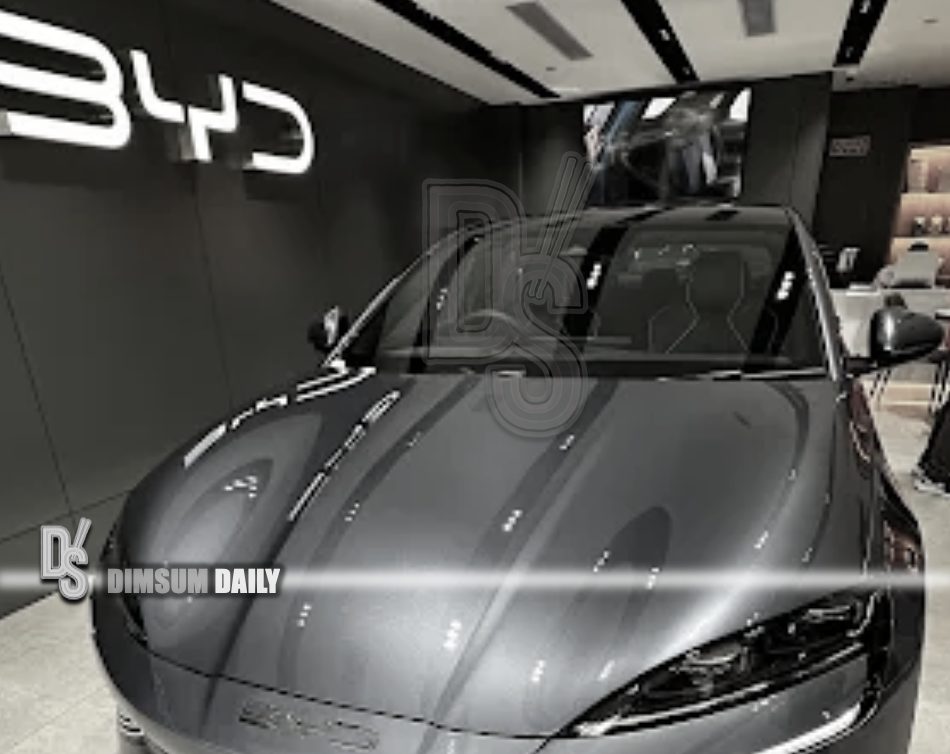
Among roughly 13,000 electric private cars that finished one-for-one first registration from April to September, Chinese brands took four of the top five places: BYD led with 2,984, Tesla followed with 2,840, then Zeekr (1,252), Denza (937) and XPeng (718). The Transport Department also reminded buyers of a one-off arrangement for vehicles ordered or shipped by 25th February that missed April first registration: with proof and approval they may still use the pre-revision concession, but applications must be lodged by 24th February 2027.