





















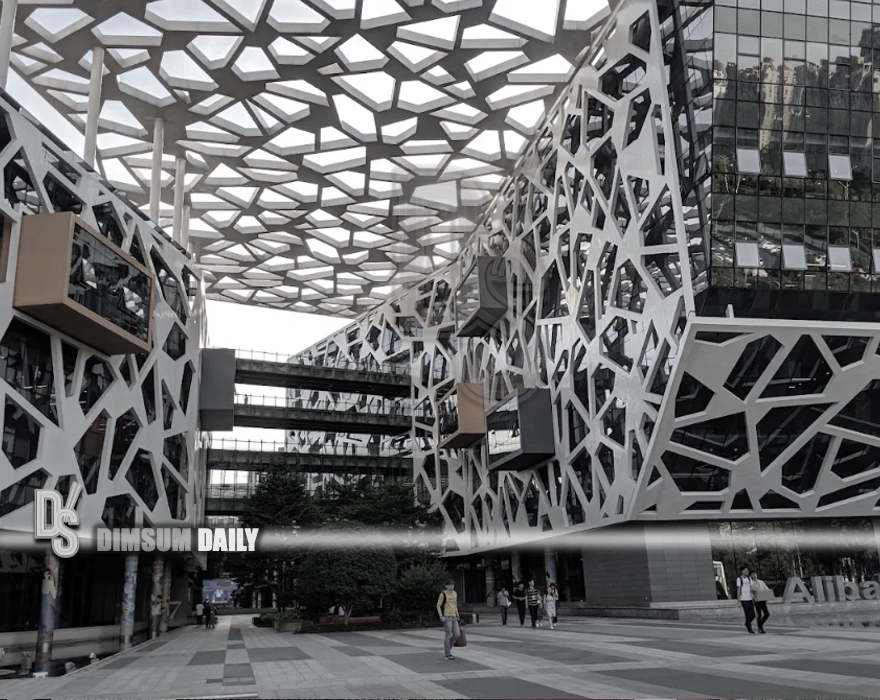
24th August 2026 – (Hong Kong) Alibaba Group shares opened sharply lower today after the company unveiled an HK$80 billion discounted share placement to fund artificial intelligence, drawing a public rebuke from investor Michael Burry even as bankers reported heavy demand for the stock.
The e-commerce giant said on Sunday, 23rd August, that it planned to raise about US$10.2 billion by issuing 710 million Hong Kong shares at HK$112.7 each — an 8.4 per cent discount to Friday’s close of HK$123. The deal marks Alibaba’s first placement since its 2019 Hong Kong listing and would be the city’s largest on record. Net proceeds are earmarked entirely for full-stack AI investment and infrastructure to strengthen its global position in the field.
Trading reflected the dilution immediately. Alibaba opened at HK$113.1, down 8.04 per cent. American depositary receipts had already slipped about 8.57 per cent on Friday to US$119.34 before the formal announcement, suggesting markets had begun pricing the move in advance.
Burry, the hedge-fund manager whose bearish bets before the 2008 crisis were dramatised in The Big Short, used social media on placement night to attack the fundraising. He said he did not “bless” the deal, calling it another new paradigm for BABA under which return on invested capital would keep falling. He disclosed that he had recently moved his entire Alibaba holding into JD.com, having sold because he judged the valuation too rich and initially planned to buy back within one or two months. That plan has changed: Alibaba would need to halve before he would look again, he said.
Market sources said the book was oversubscribed after Alibaba increased the target size to HK$80 billion, with long-term investors and sovereign wealth funds among buyers. The placement is aimed at non-US persons outside the United States and carries a ninety-day lock-up. China International Capital Corporation, HSBC, Morgan Stanley and UBS are joint underwriters.
The fundraising landed on the same day Alibaba released its Qwen AI app, positioning the product against ChatGPT in overseas markets.