





























12th October 2026 – (Beijing) People’s Daily has weighed in on the Maextro V800 brake-pedal storm, insisting that a car’s brake pedal must never fracture while it is being driven.
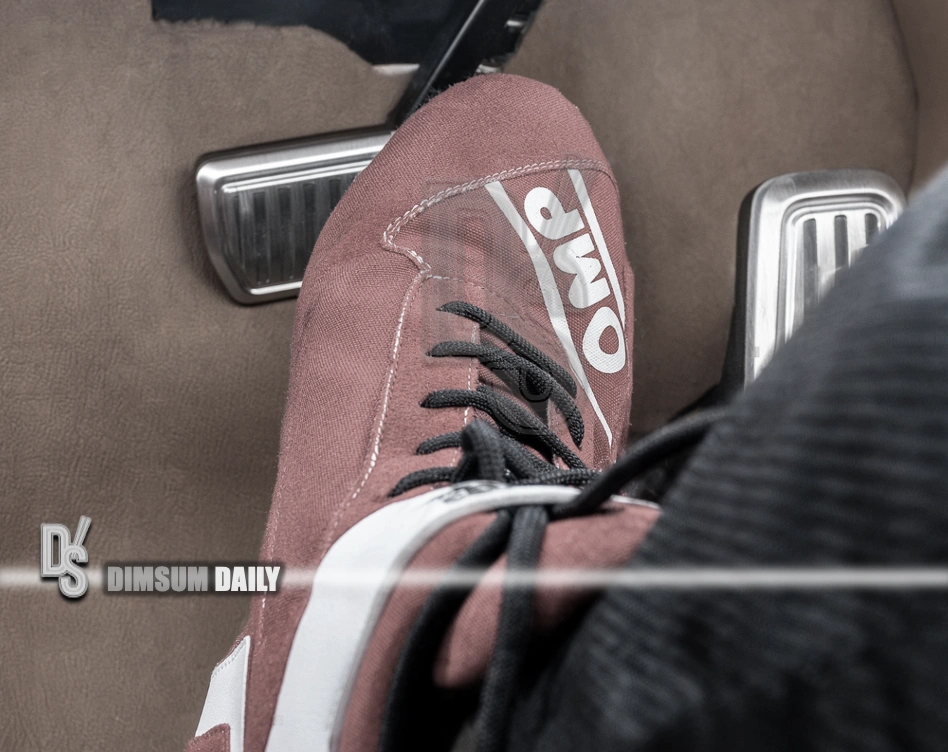
The dispute flared after mainland motoring platform Dongchedi posted a closed-course braking video of the million-yuan-class electric Maextro V800 — known in Chinese as Zunjie. The clip showed three brand-new, unmodified V800s put through emergency stops from 100 kilometres an hour, and in each case the brake-pedal bracket broke under the hard applications.
In a commentary dated the 11th, the party newspaper said public debate had centred on vehicle safety, especially among “rushed” new-energy models. An authoritative investigation is still awaited, it noted, but one point was beyond dispute: a brake pedal “must never” snap in ordinary driving — a red line drawn before any official fault finding is complete.
The piece then turned on so-called “rushed cars.” To seize market share, some programmes over-compress research cycles and delete real-vehicle validation steps before launch. Chasing share with speed, the commentary argued, buries hazards in what is missing: process gaps and shrunken checks that leave weak points unexposed until a public test or worse brings them into the open.
Substituting simulation for genuine road testing was painted as a speculative shortcut — extreme engineering trials cut back, validation subjects removed, process steps skipped. Those omissions, it said, are ultimately paid for by consumers who buy on the strength of a polished debut rather than a fully proven brake system.
In a fiercely competitive mainland market, some makers “race” on launch tempo rather than quality, and that path has already been shown to lead nowhere. Vehicles built only for “new model” speed cannot travel far or run steadily once rivals and buyers start weighing real-world safety, not just showroom calendars.
By contrast, “steady” was framed as a more lasting form of “fast”: a slower-looking discipline that keeps products viable after the novelty of a hurried debut fades. Mainland car making, and new-energy vehicles in particular, have made leapfrog gains in recent years. That hard-won industrial ecology, social trust and consumer reputation must be guarded by everyone in the trade.
Innovation need not slow merely because firms insist on getting the basics right, the newspaper concluded. Safety is the ballast that lets Chinese cars run ever more steadily — and a pedal that can snap under emergency braking is precisely the sort of failure that erodes the trust the industry can least afford to lose.