


























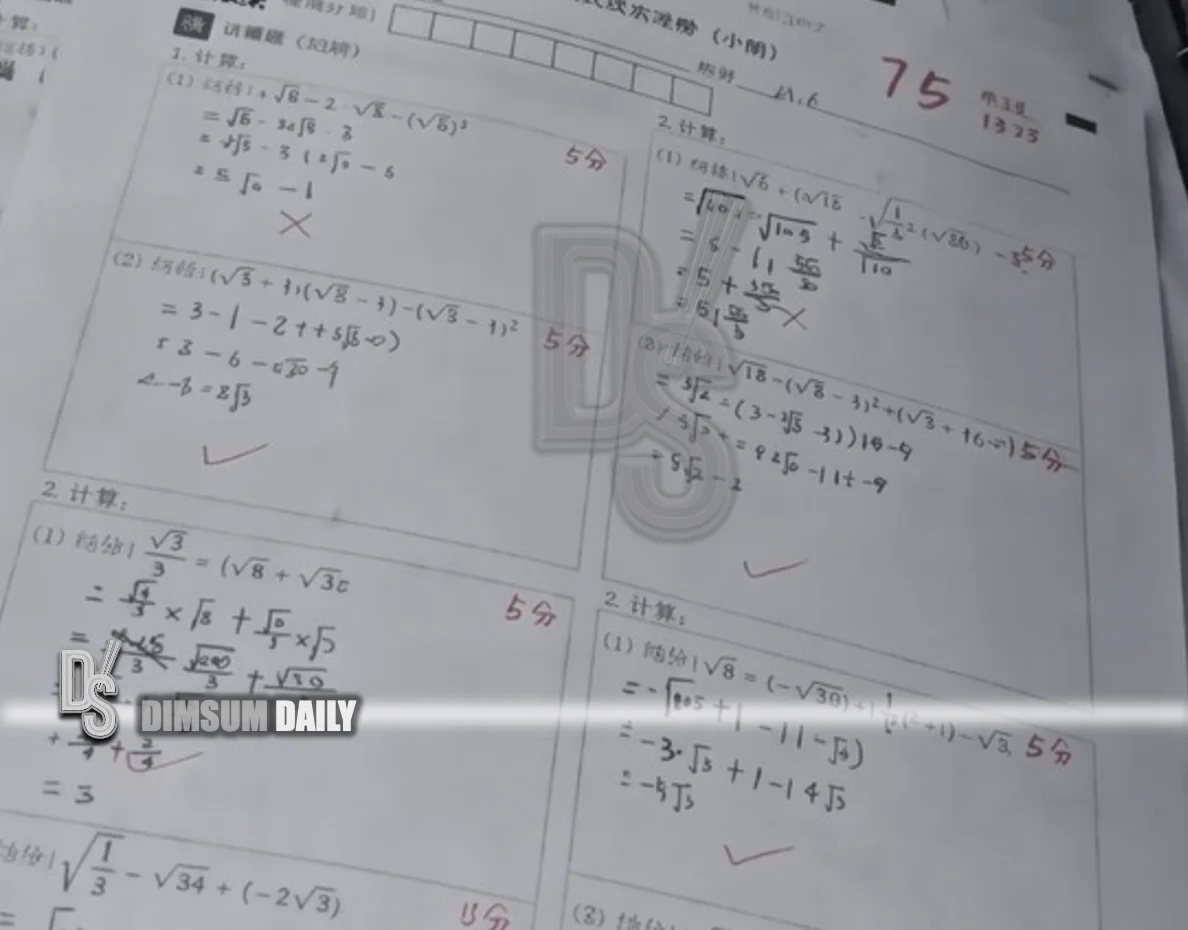
3rd November 2026 – (Hefei) A Chinese technology company has unveiled a dedicated artificial intelligence device designed to mark handwritten homework and exam papers for an entire class in as little as five minutes, printing red‑ink corrections and explanations directly onto the original sheets to streamline teachers’ daily routines. The Spark M50, developed by iFLYTEK in its home city of Hefei, fuses high‑speed scanning with a proprietary Spark large‑model engine to interpret pupils’ handwriting, assign scores and produce visible audit trails alongside targeted feedback.
The unit resembles a large multifunction printer and is intended for batch processing. Teachers feed a stack of papers into the tray and the system automatically scans each page, applies AI recognition to assess answers and then returns the marked originals with error analysis and written comments. Beyond multiple‑choice items, the company says the machine handles complex science calculations and open‑ended responses, identifying gaps in mathematical working and providing paragraph‑level suggestions on essays to improve structure, coherence and evidence.
According to iFLYTEK, the device can also compile class‑wide analytics that highlight common misconceptions, map mastery by knowledge point and surface students’ recurring mistakes, allowing staff to focus limited contact time on individual coaching rather than repetitive manual marking. The company expects rollouts across thousands of schools in China as part of a wider push to embed its Spark model in education settings and relieve teachers from mechanical tasks that add little instructional value.
The accelerating adoption of automated marking is prompting debate within the profession over how best to balance efficiency with judgement. Supporters argue that AI can cut hours of clerical work and reveal patterns at scale that are otherwise hard to spot, while sceptics caution that meaningful assessment still relies on human oversight, especially for nuanced writing and reasoning. Schools may ultimately opt for hybrid workflows in which teachers review samples, adjust rubrics and intervene where the machine’s annotations warrant further discussion with pupils.