




























5th September 2026 – (New York) The American Society of Plastic Surgeons logged a 7 per cent rise in surgical procedures between 2024 and 2025, with face-lifts alone up 13 per cent, brow lifts up 29 per cent, and more than 28 million minimally invasive treatments recorded in a single year. Globally, some 34.9 million cosmetic procedures were performed in 2023, a 40 per cent jump over four years. This is no longer a niche indulgence for the coastal wealthy; it is a durable growth sector financed increasingly through buy-now-pay-later plans, and its trajectory points upward for the foreseeable future.
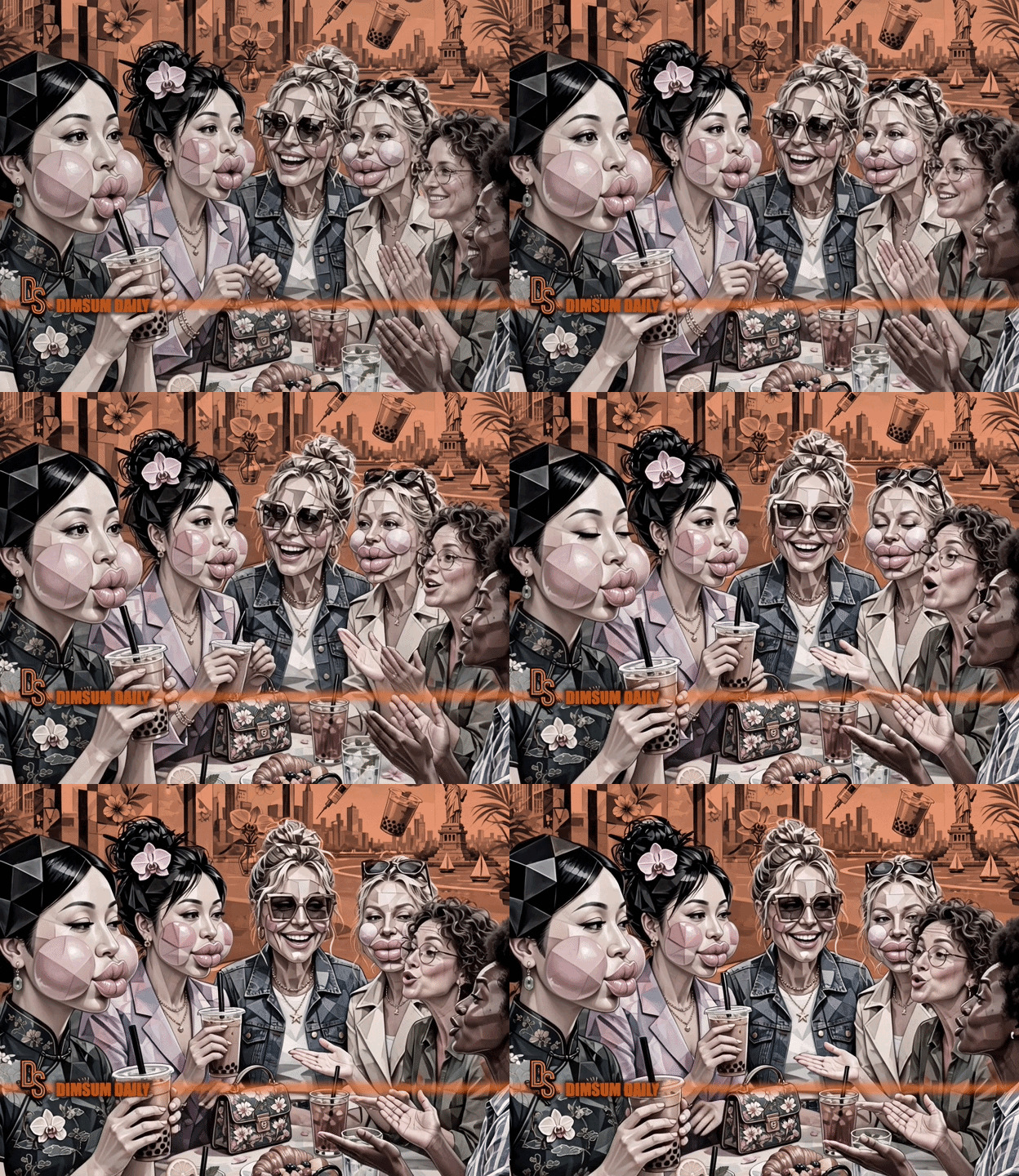
Growth of that kind produces a curious second-order effect that the industry’s cheerleaders prefer not to name: as procedures multiply, so does the collective habit of appraising them. When a friend returns from a “long weekend” with a suspiciously rested brow and a jawline that has quietly reorganised itself, the room notices. It always notices. The polite silence at the dinner table is not acceptance; it is deferral, a verdict postponed until the car ride home. To pretend otherwise is to participate in a shared fiction, a modern staging of the emperor’s new clothes in which everyone admires the result to the face and dissects it the moment the door closes.
Judgment, uncomfortable as it is to admit, is neither optional nor even avoidable. The writer Jessica DeFino put it plainly when she conceded that yes, she was being judgmental, because judgment is “both human and unavoidable”—beauty itself, as Kant argued in 1790, is a judgment. What the surgery boom has done is not eliminate scrutiny but industrialise it, handing millions of ordinary people the same evaluative reflex that once belonged to casting directors and gossip columnists. We are all amateur face-readers now, trained by algorithm and reality television to spot the tell-tale signature of filler in a cheek or the taut geometry of a deep-plane lift.
Sociology supplies the mechanism behind the wave, and it is not vanity in any simple sense. René Girard’s theory of mimetic desire holds that we want what we want because others want it first, and few markets illustrate the principle more cleanly. Google searches for “facelift” doubled since the pandemic began; the average patient is now a decade younger than before, arriving in her mid-thirties rather than mid-forties. Each publicly confirmed procedure—Kris Jenner, Lily Allen singing about booking her own—lowers the barrier for the next person and raises the ambient expectation. The result is what DeFino aptly calls aesthetic inflation, a steady ratcheting upward of what counts as baseline maintenance.
Meanwhile, Tressie McMillan Cottom has observed that patients who choose the same fashionable procedures inevitably drift toward the same narrow set of features, and Jia Tolentino documented how the most visible faces on Instagram began, roughly a decade ago, to resemble one another. This is where the honest critique lands: a technology sold as self-expression is manufacturing homogeneity at scale. When Lindsay Lohan and Kris Jenner become difficult to tell apart, the individuality the industry promises has been quietly traded for membership in a look. The friends whispering afterwards are, in their crude way, registering exactly this loss—that something recognisable has been smoothed into something generic.
Perspective, however, demands that the scale be kept in proportion, and here the data cuts against the moral panic. Liposuction reaches roughly 0.1 per cent of the American population; breast augmentation and tummy tucks have held steady near 0.09 and 0.05 per cent since 1999. More Americans watch The Bachelorette than go under the knife for any single procedure in a given year. The surgical hardcore remains a sliver; it is the minimally invasive maintenance economy—Botox every few months, filler on the calendar like a hair appointment—that has genuinely gone mainstream and will keep expanding, because recurring treatments are the ideal subscription business.
Facelift complications range from hematoma and nerve damage to, in rare cases, death, and a 2022 paper in the Aesthetic Surgery Journal reported adverse psychological reactions in roughly half of patients, with depression and anxiety most common. A procedure that can cost between $8,500 and $200,000 and lasts only about a decade is a poor instrument for solving what are frequently problems of meaning rather than of skin. This is the substance behind the judgment worth defending—not cruelty toward the individual, but scepticism toward an industry monetising insecurity at commercial scale.
The forecast, in strictly financial terms, is unambiguous – demand has proven resilient through economic uncertainty, financing has removed the price ceiling, and the pipeline of younger patients guarantees years of compounding growth. The sector will prosper. Whether the people funding that prosperity end up better off is a separate question, and one the balance sheet cannot answer. Judgment, private and inevitable, is society’s imperfect attempt to answer it anyway.