




























5th October 2026 – (Hong Kong) Veteran structural engineer Ngai Hok-yan says the missing steel bars at K&K Property’s Stanley luxury estate ONE STANLEY point first to supervision failures, with the contractor, registered structural engineer and authorised person facing possible false-statement allegations, while the developer’s legal exposure is far harder to call.
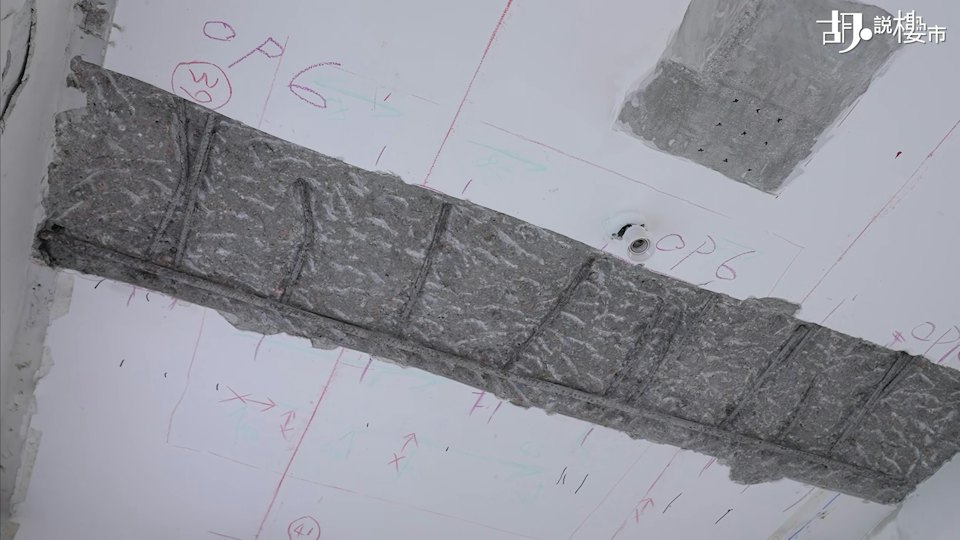
The Buildings Department has already opened up concrete at a detached house after reinforcement was found not to match approved drawings. Officers reported that a ground-floor lower-level beam’s protective layer lacked the steel mesh shown on the plans, and that some floor-slab bars also diverged from the drawings. The department says the defects do not amount to obvious danger, but it is still investigating and has asked the developer, contractor and other parties to attend interviews and supply documents.
Ngai said the mismatch between the finished work and the approved plans was clearly a site-supervision problem, even if the precise cause still needed inquiry. Where the completed structure did not follow the drawings, he said, there might be an element of false statement. Blame, in his view, sat with the contractor, the registered structural engineer and the authorised person. Besides possible fines and professional blacklisting, he argued the graver risk was later criminal liability, and that the developer might itself sue over lost value. “The whole development exceeds HK$10 billion; bad news could cut prices 10 per cent, about a billion.”
Whether the developer can walk away is another matter. Under the Buildings Ordinance, Ngai said, a developer has no statutory role in the building works unless it sent people to inspect the site and actually supervised construction. “In principle they have no status. They merely hired others to do the work.” Even so, he cautioned that escape was not assured: sales talk, warranties and whether buyers were told of the defects still had to be examined. “Whether advertisements made false claims or the sale gave guarantees is complex.” That, he added, would require reading the entire contract.
He also expects civil litigation. Comparing the purchase to a Rolex, he said a factory might refuse repairs once a warranty expired, but a hidden fault of this kind could amount to a latent defect, giving a buyer a right to claim. Full refunds, however, were “another matter”. “A latent defect lets a buyer seek redress; they will not simply swap a new watch.” Judges, he said, usually convert claims into money, weighing any hit to the flat’s price and the cost of later repairs rather than unwinding the sale wholesale.
The department’s findings so far leave the house standing and the wider estate’s market still untested, but Ngai’s reading is that contractors and checking professionals sit in the immediate line of fire, while any developer liability turns on what was promised at sale and whether the company played any real part in watching the works.