

















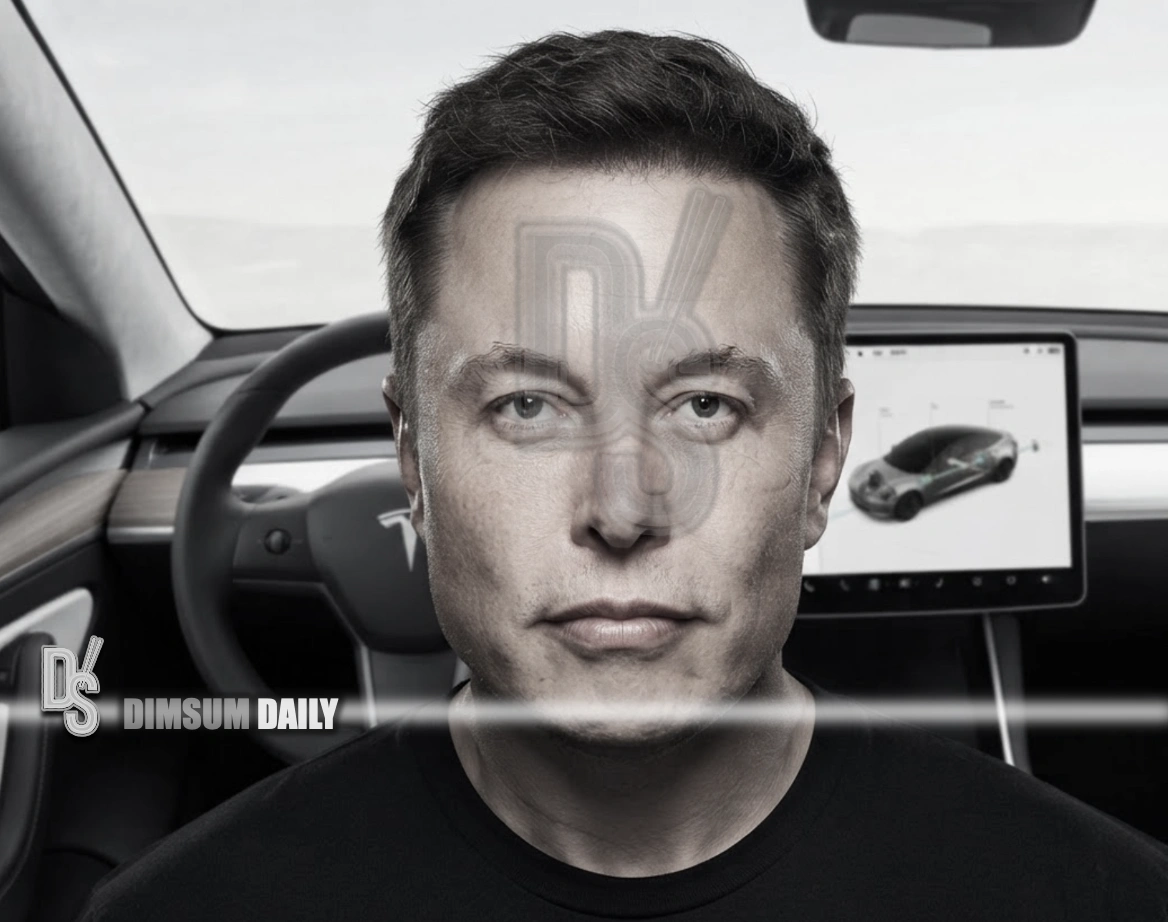
10th October 2026 – (New York) A new documentary from filmmaker Alex Gibney opens in Los Angeles and New York with a portrait of Elon Musk that leans heavily on voices from within his own operations, including current and former lieutenants whose remarks prove among the film’s most critical. The nearly four‑hour feature assembles archival footage, hard‑to‑find material and a database of Musk’s own quotations to chart his ascent across technology, business and politics, while the billionaire declines to participate and denounces the work as a “hit piece.”
Key sequences include a videotaped deposition in which Ashok Elluswamy, a senior Tesla engineer, acknowledges that a widely publicised 2016 demonstration reel overstated the firm’s self‑driving capability at the time, and audio of Jared Birchall, a close aide who manages Musk’s personal affairs, negotiating forcefully over child‑support arrangements with online influencer Ashley St. Clair. Though the incidents were previously reported in the press, the film’s use of the underlying video and audio broadens the narrative beyond familiar outside critics.
Gibney’s treatment ranges across Musk’s stewardship of SpaceX and Tesla, his public embrace of political influence and his personal life, including fathering 14 known children and his on‑off alignment with President Donald Trump, to whom he became the largest donor in the 2024 campaign. The film revisits set‑piece moments such as his 2021 appearance on Saturday Night Live and his turbulent takeover of Twitter, now X, while also presenting material on Starlink and data concerns. Producer Jessie Deeter describes the work as “svelte” despite its length, which includes a 10‑minute intermission, and audience reaction at a Mill Valley Film Festival screening suggested a sharply divided public mood.
The documentary dwells on safety controversies connected to Tesla’s driver‑assistance features, showing dashcam footage from a 2019 Florida crash in which a Tesla on Autopilot ran a stop sign and killed a pedestrian, a case that resulted in a jury assigning Tesla 33 per cent of the fault with damages set at US$243 million. Interviews also explore international policy repercussions, with Samantha Power linking last year’s cuts to United States Agency for International Development programmes to severe humanitarian consequences, contrasted with Musk’s focus on long‑term space ambitions.
Archival segments underline Musk’s long‑standing political proximity, featuring earlier interactions with figures such as Arnold Schwarzenegger and the late Dianne Feinstein, and the business advantages that followed, including low‑emission credits for Tesla. Commentators weigh whether Musk has truly changed; former SpaceX engineer Jim Cantrell argues that success has simply revealed more of his underlying views.