














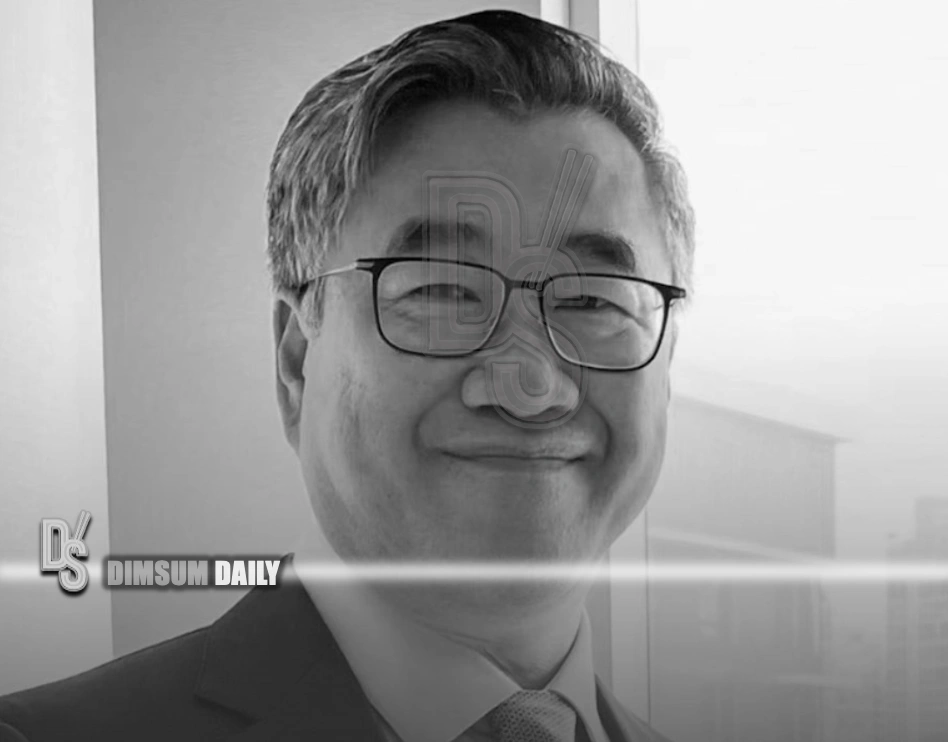
14th October 2026 – (Shenzhen) The Chinese University of Hong Kong, Shenzhen has announced that Presidential Chair Professor Ren-Ke Li, associate dean of its School of Medicine for research and translation, died on 10th October while attending an academic conference in Xi’an. He was 65.
The university issued an obituary on 13th October stating that he died during the Xi’an meeting, aged 65. A farewell ceremony for his remains is set for the morning of 15th October at Xi’an Funeral Parlour. A memorial gathering will follow on 17th October on the CUHK Shenzhen campus, where colleagues can mark the sudden loss of a scientist who had only lately made Shenzhen his full-time base.
Born in Harbin, Heilongjiang, in 1961, Li trained across three systems that later defined his career. He earned a medical bachelor’s degree from Harbin Medical University, a master’s in preventive medicine from Shanxi Medical University, and a doctorate in clinical biochemistry from the University of Toronto in Canada. That path took him from northern Chinese clinical schools into North American laboratory medicine — the bridge on which his later work in heart repair was built.
He joined CUHK Shenzhen full-time only in March 2025, as Presidential Chair Professor and associate dean charged with research and translational work at the medical school. Colleagues had barely 19 months of his on-site leadership when the Xi’an trip ended his tenure. The short Shenzhen chapter sat atop decades already spent as a recognised figure in cardiovascular regenerative medicine and biomedical engineering.
Internationally he was cast as a pioneer in that field. According to tributes echoed in the university’s notice, he was the first scientist worldwide to secure US Food and Drug Administration approval to use stem-cell transplantation against heart failure, and to apply conductive biomaterials in research on irregular heartbeat. He framed regenerative medicine around “repair, regeneration and rejuvenation,” arguing those mechanisms opened a new paradigm for treating failing hearts.
In 2025 he was listed among the world’s top two per cent of scientists and judged by ScholarGPS a top 0.05 per cent scholar — ranking first globally in cardiac physiology. That first-place stamp is what the Chinese headline fixed on: a career measured at the summit of its specialty, cut short in a conference hall far from the Shenzhen labs he had only recently agreed to lead. Between Harbin’s beginnings, Toronto’s doctorate, FDA-linked firsts and a Bay Area associate deanship still in its infancy, Li’s death leaves CUHK Shenzhen mourning a scientist whose metrics said he stood alone at the top of heart physiology — and whose final public act was simply to take his seat at a meeting in Xi’an.