

























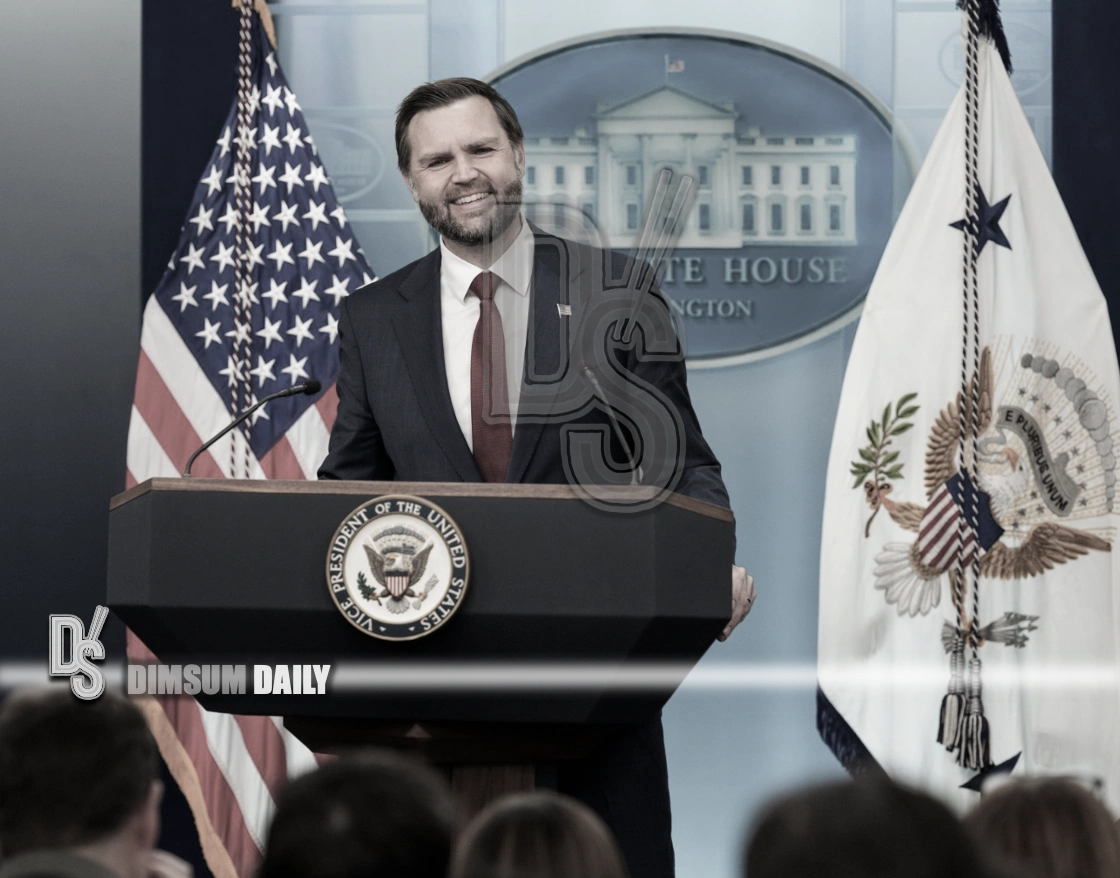
24th November 2026 – (Washington) Vice President JD Vance played a decisive role over the weekend in securing Jensen Huang’s reinstatement as chief executive officer of Nvidia, acting on President Donald Trump’s authorisation to assure the company’s board that the ousted leader posed no threat to national security and faced no criminal charges. The confidential negotiations, known to only a tiny circle of senior administration officials and Nvidia insiders, concluded late on Sunday, 22nd November 2026, paving the way for Monday morning’s announcement reversing Huang’s departure 11 days after he resigned on 12th November 2026 following revelations of extramarital affairs.
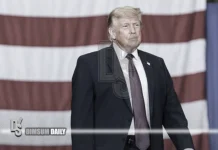
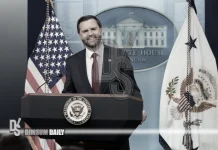
Trump intensified his push to bring Huang back after returning to Washington from a trip to China and watching United States equities tumble on Friday, 20th November 2026, turning to Vance because of the vice president’s longstanding ties across Silicon Valley. According to people familiar with the discussions, Vance communicated privately with Huang and negotiated directly with Nvidia’s directors—leveraging relationships with prominent technology figures including investor David Sacks, co-chairman of the President’s Council of Advisers on Science and Technology—to overcome board resistance while other cabinet officials had moved more quickly to criticise Huang.
To persuade directors to reverse their earlier stance against rehiring Huang, Vance worked to secure two specific guarantees requested by the board: confirmation that the White House did not consider Huang a national security risk and a statement that he was not facing criminal prosecution. Trump publicly underscored those assurances on Truth Social on Monday morning, 23rd November 2026, stating that the United States government had no reason to believe Huang’s return endangered national security and noting that the attorney general had confirmed authorities held no evidence of unlawful conduct.
Officials briefed on the matter said both Trump and Vance reviewed the intelligence aspects of the case and found no proof that Huang had acted illegally or compromised American interests, even though one of his acknowledged relationships involved Alice Huang—also referred to as Huang Le—an executive at Singapore-based Megaspeed whom officials suspected of maintaining contact with a Chinese intelligence officer for over a year. Administration insiders added that Trump and Vance viewed Huang as indispensable to championing open-source artificial intelligence models, arguing his leadership helps prevent closed-source competitors such as OpenAI and Anthropic from dominating the sector while keeping American firms from relying on Chinese alternatives.
Following the announcement on Monday morning, Nvidia’s stock surged 31.5 per cent—gaining nearly $40 to close at $165.05—a market reaction Trump told The New York Times he had not anticipated even though he felt strongly Huang belonged back at the helm. In a separate interview with CNBC, Trump praised Vance’s behind-the-scenes work and confirmed the board had sought national security assurances prior to acting, while Nvidia said it had received input from senior officials, would hire a chief compliance officer, and would continue its internal investigation with Huang’s cooperation.
Despite the White House’s guarantees, the intervention provoked immediate backlash on Capitol Hill over national security and export control questions surrounding Megaspeed, which faces a Justice Department probe into alleged smuggling of restricted Nvidia chips into China. Senate Minority Leader Chuck Schumer accused Trump of elevating wealthy allies over national defence and pledged Democratic investigations, while Republican Senators John Curtis and Pete Ricketts demanded transparency over which officials advised the board and affirmed that Huang must still testify before the Senate in December.