




























22nd November 2026 – (Hong Kong) Polling began at 9.00am today for Hong Kong’s 2026 Election Committee Subsector Ordinary Elections, featuring markedly sharper competition than five years ago as 856 candidates vie for 723 contested seats across 31 subsectors. Roughly 5,757 eligible voters are casting ballots until 6.00pm at five ordinary polling stations—located at Harbour Road Sports Centre in Wan Chai, Kowloon Park Sports Centre in Tsim Sha Tsui, Tsuen Wan Sports Centre, Tiu Keng Leng Sports Centre, and Che Kung Temple Sports Centre in Sha Tin—alongside two dedicated polling stations at Happy Valley Police Station and Shek Pik Prison operating until 4.00pm. Once polls close, all ballot boxes will be transported to the central counting station at the Hong Kong Convention and Exhibition Centre, where results are expected to be announced by midnight.
The 1,500-member Election Committee—which will nominate and elect Hong Kong’s next Chief Executive next year as well as nominate candidates and elect lawmakers in the 2029 Legislative Council election—comprises 362 ex officio members, 156 members nominated by designated bodies, and 982 elected members across 40 subsectors in five major sectors. Of the 36 subsectors with elected seats, 31 are contested today compared with just 13 during the 2021 election, when 23 subsectors saw unopposed returns. Five subsectors have returned 259 members unopposed this year, namely education, associations of Chinese fellow townsmen, labour, representatives of Hong Kong members of relevant national organisations—which includes Olympic table tennis medallist Doo Hoi-kem and singer Michelle Siu Hoi-yan—and sports, performing arts, culture and publications.
The fiercest electoral battles are unfolding in the social welfare and medical and health services subsectors. In social welfare, 25 hopefuls—including former permanent secretary for labour and welfare Annie Tam Kam-lan and former deputy director of social welfare Wong Kwok-chun—are competing for 15 seats, averaging 1.67 candidates per seat. Close behind is the medical and health services subsector, where 23 candidates—among them former health secretary Sophia Chan Siu-chee, Hospital Authority chief executive Libby Lee Ha-yun, and oncologist Tony Mok Shu-kam—are contesting 15 seats at a ratio of 1.53 candidates per seat. Notable newcomers across other contested races include former justice secretary Rimsky Yuen Kwok-keung in the legal subsector, Citi Hong Kong chief executive Aveline San Pau-len and Standard Chartered Bank chief executive Mary Huen Wai-yi in finance, and former television anchor Ivan Yau Man-wa in the hotel subsector, while veteran figures such as Stewart Leung Chi-kin, Gordon Wu Ying-sheung, Maria Tam Wai-chu, and Tam Yiu-chung have stepped back.
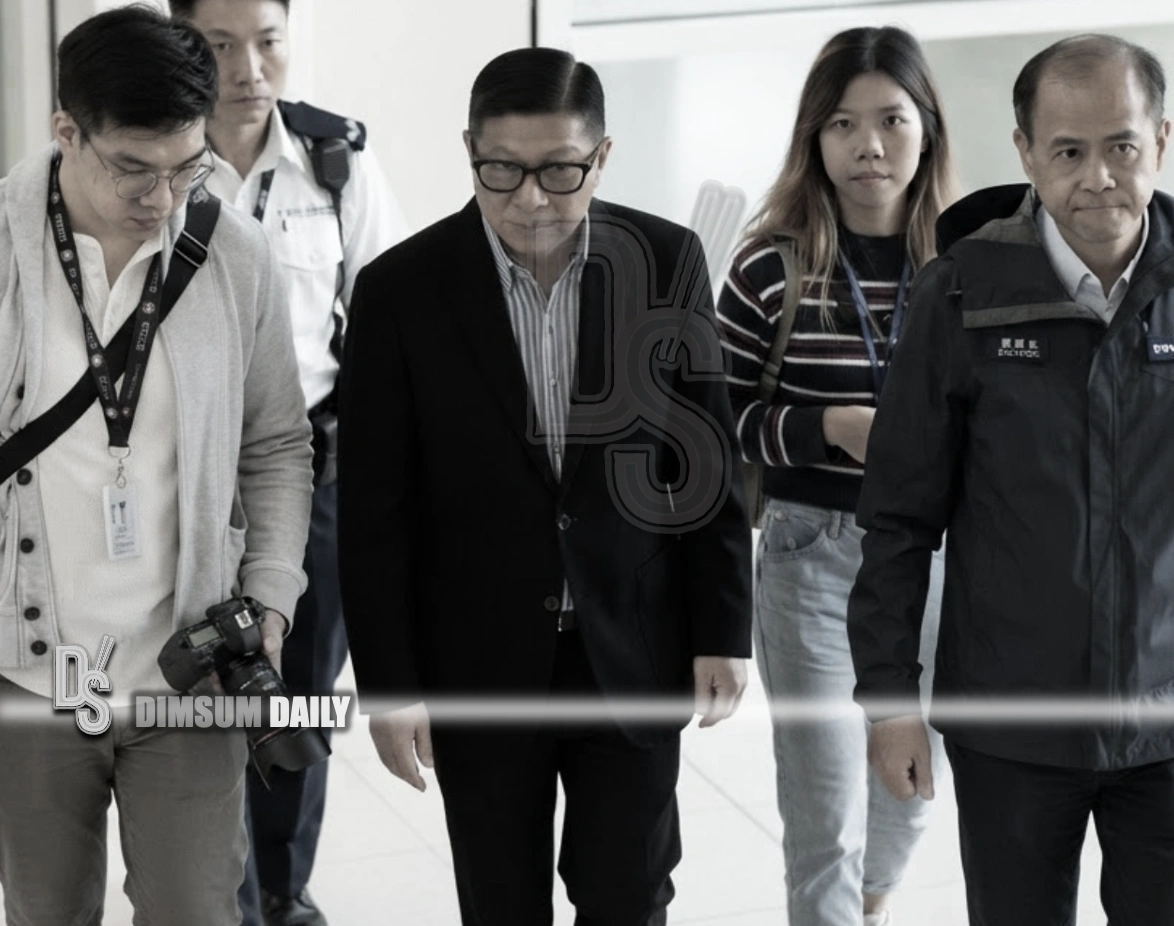
Senior officials and lawmakers visited polling stations early this morning to inspect operations and cast their ballots. Secretary for Security Chris Tang Ping-keung visited Kowloon Park Sports Centre shortly before 9.00am to speak with Civil Aid Service personnel on duty before inspecting Harbour Road Sports Centre around 9.15am. Speaking after voting at Harbour Road Sports Centre, Democratic Alliance for the Betterment and Progress of Hong Kong lawmaker Jody Kwok Fu-yung praised the vibrant atmosphere and urged voters to select capable representatives who will listen to industry voices ahead of next year’s Chief Executive race. Meanwhile, Business and Professionals Alliance for Hong Kong industrial sector lawmaker Ray Wong Wing-wai cast his ballot at Kowloon Park Sports Centre, stating that his choices focused on candidates with grassroots-oriented platforms, strong patriotism, and concrete plans for Hong Kong’s long-term economic development.