























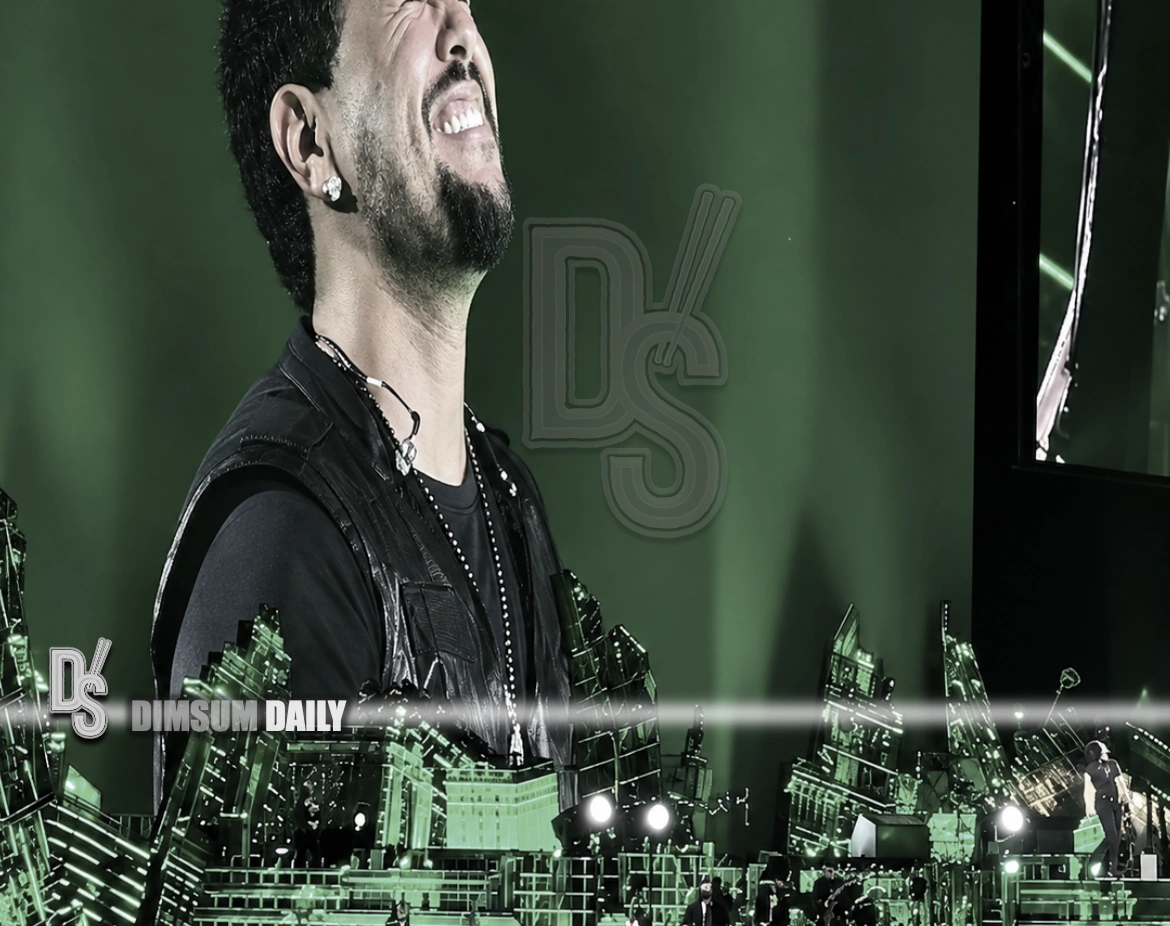
10th November 2026 – (Kuala Lumpur) Malaysia has again reached for the rule book after the curtain call, with officials announcing a verification exercise into whether The Weeknd’s show at Bukit Jalil breached “religious sensitivities.” Senator Dr Zulkifli Hasan, Minister in the Prime Minister’s Department (Religious Affairs), said his office would take firm action if violations were confirmed, noting that the Department of Islamic Development Malaysia, or Jakim, is liaising with the Central Agencies Committee for the Application for Filming and Performance by Foreign Artists, known as Puspal, to examine the claims. The message to touring artists is depressingly familiar: creative choices may be reinterpreted after the fact, and the encore can come with an inquest.
The latest scrutiny lands in a country where, over the years, at least fifteen major international acts have faced public protests, formal objections or outright performance bans driven by conservative religious groups, most notably the Pan‑Malaysian Islamic Party and its youth wing. These flare‑ups routinely target Western and K‑pop performers for wardrobe choices, LGBTQ+ advocacy or lyrics said to jar with local Islamic or cultural norms, and they have left a long trail of cancellations, restrictions and blacklists that make Malaysia a reputational and logistical headache.
Cancellations and bans have included Beyoncé, who pulled scheduled Kuala Lumpur dates in 2007 and again in 2009 after intense pushback over stage costumes and choreography; Kesha, whose 2013 show was barred a day before curtain despite her agreement to alter lyrics and outfits; Erykah Badu, whose permit was revoked in 2012 when a promotional image showed temporary tattoos bearing the word “Allah”; Lamb of God, denied a 2013 permit after objections to alleged use of Quranic elements; and Megadeth, blocked in 2001 over perceived themes before returning under a later dispensation years on. Each episode has reinforced a pattern in which moral panic trumps planning, contracts and audience expectations.
Other concerts have proceeded only under tight conditions. Selena Gomez faced street protests led by opposition youth figures in 2016 and went ahead after committing to conservative attire; Blackpink performed in 2023 amid fierce rhetoric from Islamist politicians and heavy scrutiny, still drawing a stadium‑sized crowd; and earlier flashpoints saw stars such as Gwen Stefani and Mariah Carey sharply tone down routines and costumes, while Avril Lavigne’s 2008 show was allowed to continue following a politically charged tug‑of‑war about propriety close to Independence Day. The cumulative effect is a compliance maze in which what is permitted in rehearsal may be policed differently by showtime.
Blacklisting after on‑stage incidents has also become a cautionary tale. In 2023, The 1975 were banned following frontman Matty Healy’s speech criticising anti‑LGBTQ+ laws and a same‑sex kiss during the Good Vibes Festival, which authorities immediately shut down mid‑event.
Against this backdrop, the government’s post‑event “verification” of The Weeknd’s Kuala Lumpur stop will read to many in the industry as yet another moving target. Until Malaysia can provide clear, stable and consistently applied standards that respect public order without retrofitting prohibitions to artistic expression, global performers would be prudent to route around the country and prioritise venues where the rules are transparent before the lights go up, not rewritten after the music stops.