































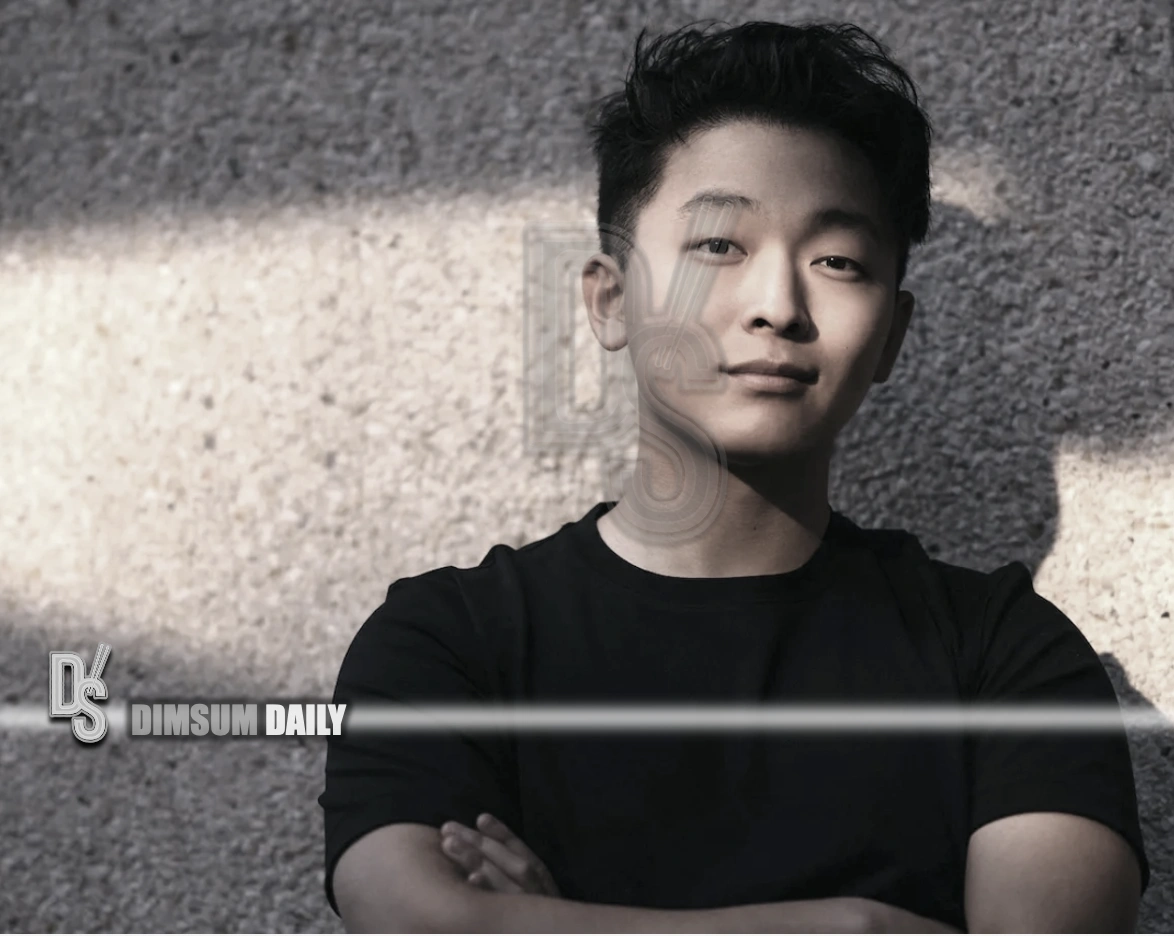
7th October 2026 – (San Francisco) At just seventeen, Sigil Wen arrived in Silicon Valley as a self-taught programmer and quickly ingrained himself in the heart of the artificial intelligence community, living in an AI hacker house alongside renowned researcher Andrej Karpathy. During his time there, Wen collaborated and exchanged ideas with individuals who now stand at the forefront of the industry, including Perplexity founder Aravind Srinivas and OpenAI’s Noam Brown. He also gained early access to prototype versions of several groundbreaking tools, some of which later evolved into well-known products such as Anthropic’s Claude, David Holz’s Midjourney, and OpenAI’s GPT-3 and Stable Diffusion. Wen’s technical ingenuity extended to running GPT-2 on his Apple Watch for the sheer challenge, reflecting what he described as an inspiring and formative era.
Now a Thiel Fellow under Peter Thiel’s prestigious programme that champions youth entrepreneurship over traditional education, Wen has this week unveiled an invite-only beta for his latest venture, Underdog. This AI assistant distinguishes itself as one of the most private available in Silicon Valley, with all operations conducted directly on users’ hardware—currently available on Macs and Windows PCs, with support for Linux, iPhone and Android expected shortly. By operating entirely on the user’s device, Underdog ensures that sensitive data never needs to leave personal control.
At the core of Underdog is Husky, Wen’s purpose-built inference engine optimised for rapid on-device AI performance. According to Wen, Husky reduces data transfer between a device’s main processor and graphics processor more efficiently than competing on-device solutions. The AI assistant also includes robust security measures such as encrypted storage of authorised account keys, reinforcing its privacy credentials.
While Underdog currently utilises a 27-billion parameter reasoning model based on Qwen3.8-27B—considerably smaller than models powering cloud-based services—Wen notes that it performs on par with Claude Opus 4.6 in certain benchmarks, representing the previous generation’s top results. He believes this capability is sufficient for routine tasks, from research and online shopping to academic queries, meaning users no longer have to compromise privacy for functionality. Wen expects that advances in smaller models will continue to narrow any capability gaps.
A notable aspect of Underdog lies in its approach to monetisation. Eschewing advertising and costly subscriptions, Wen is leveraging the cost savings inherent to running AI on users’ own machines. Angel investment has come from figures such as Stripe co-founder Patrick Collison. The business intends to generate revenue by taking a minute percentage from payment transactions facilitated by the assistant via Stripe, akin to an interchange fee, meaning personal data remains untouched.
This philosophy stands in contrast to common business models across the AI assistant landscape, where user data might be harvested for resale or used to train further models. Wen, reflecting his values in what he has described as his AI manifesto, questions why artificial intelligence should necessitate surrendering personal privacy. His motivation remains personal as well as professional—his intention is to produce an assistant he would trust future generations to use.
Conway Research, the company behind Underdog, boasts investment from major names in venture capital including Andreessen Horowitz through Chris Dixon, Khosla Ventures, Hummingbird, SV Angel, and the Anthology Fund, as well as backing from an impressive roster of angel investors such as Guillermo Rauch, Noam Brown, and Deedy Das.