































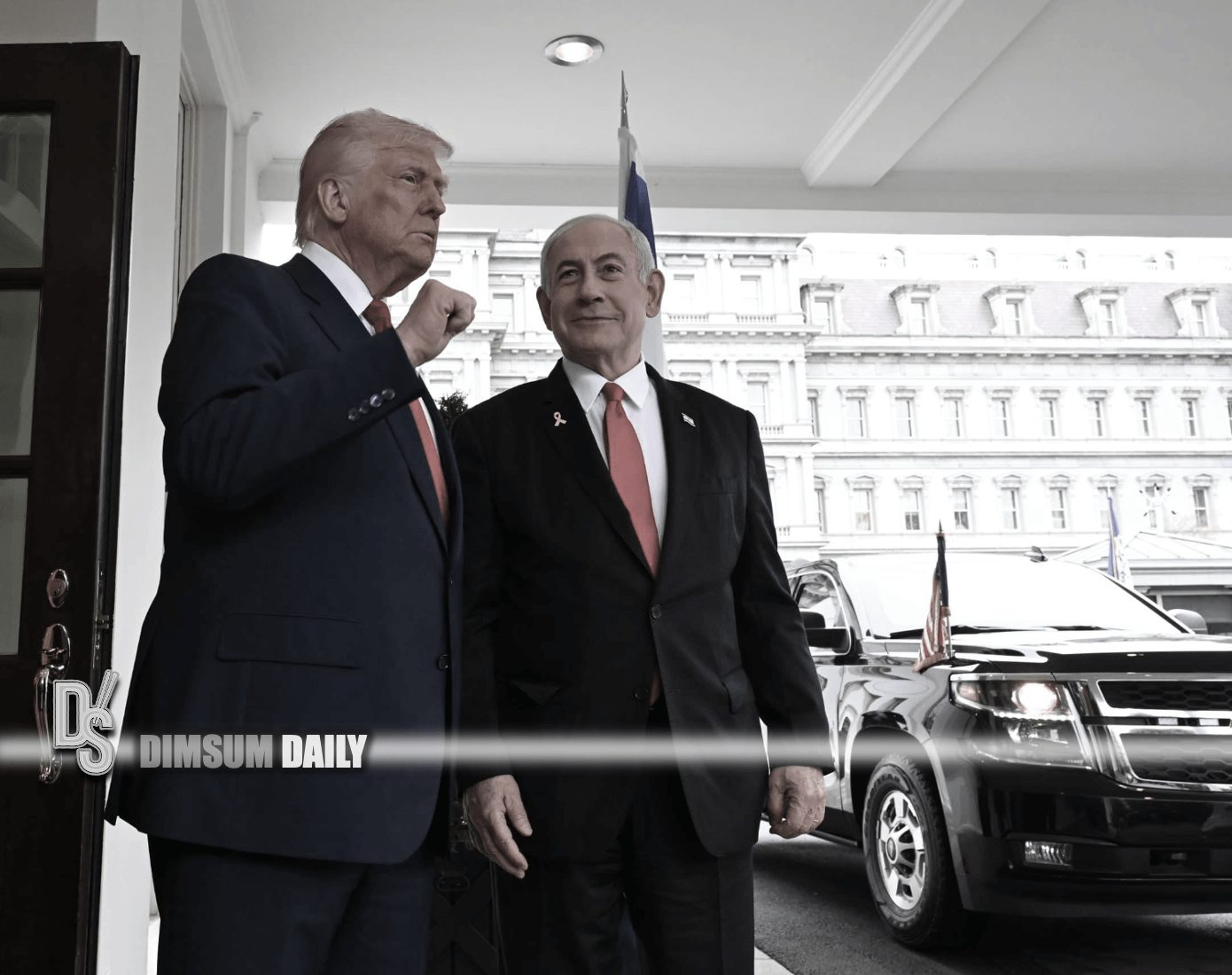
29th December 2025 – (Florida City) U.S. President Donald Trump will shift his attention back to the Middle East on Monday as he hosts Israeli Prime Minister Benjamin Netanyahu in Florida for high-stakes discussions expected to cover Gaza and a broad range of regional flashpoints.
The meeting is widely viewed as a critical test of the relationship between the two leaders and the degree to which their positions align after two years of war in Gaza, during which the U.S. has remained Israel’s staunchest military and diplomatic supporter. Any decisions could carry far‑reaching consequences for the future political and security landscape of the region.
Monday’s encounter will be the sixth time the pair have met since Trump returned to the White House 11 months ago. On the agenda are the future of ties with Syria’s new government, concerns over Iran’s rearmament, and the role of Hezbollah in Lebanon.
Most crucially, the talks are expected to focus on the implementation and trajectory of the Gaza ceasefire agreement, an area where Israel’s government has frequently diverged from Washington’s stated positions.
The discussions will take place against the backdrop of severe winter storms in Gaza, where hundreds of thousands of displaced Palestinians remain in makeshift tents offering scant protection from freezing temperatures and heavy rain. On Monday, the Hamas-run health ministry reported the death of a two‑month‑old baby from exposure to the cold, bringing the number of people who have died due to the wintry weather since 10 December to three. A further 17 people have been killed in recent weeks as weakened and damaged buildings collapsed during the storms.
UN agencies and humanitarian organisations have accused Israel of failing to fully uphold its ceasefire obligations, alleging that it continues to obstruct the entry of essential supplies and critical equipment into Gaza. Israel maintains that it is complying with its commitments and has facilitated increased aid deliveries.
The Trump administration is pushing for the ceasefire to move into its second phase in January. Under the 20‑point plan, this stage would see the establishment of a Palestinian technocratic government, the deployment of an international security force, the disarmament of Hamas, the withdrawal of Israeli troops, and the start of large‑scale reconstruction of the devastated enclave.
Critics, however, argue that Netanyahu may attempt to delay this process, contending that he is reluctant to engage substantively with political arrangements for Palestinians and is instead likely to insist on Hamas’s complete disarmament before any meaningful Israeli withdrawal from Gaza. Hamas officials have repeatedly stated that full disarmament should be linked to tangible steps towards the creation of an independent Palestinian state.
Trump’s peace framework, signed by both Israel and Hamas, formally acknowledges Palestinian aspirations to statehood. Nonetheless, Netanyahu and senior members of his government have consistently rejected the prospect of a Palestinian state since the ceasefire took effect in October.