































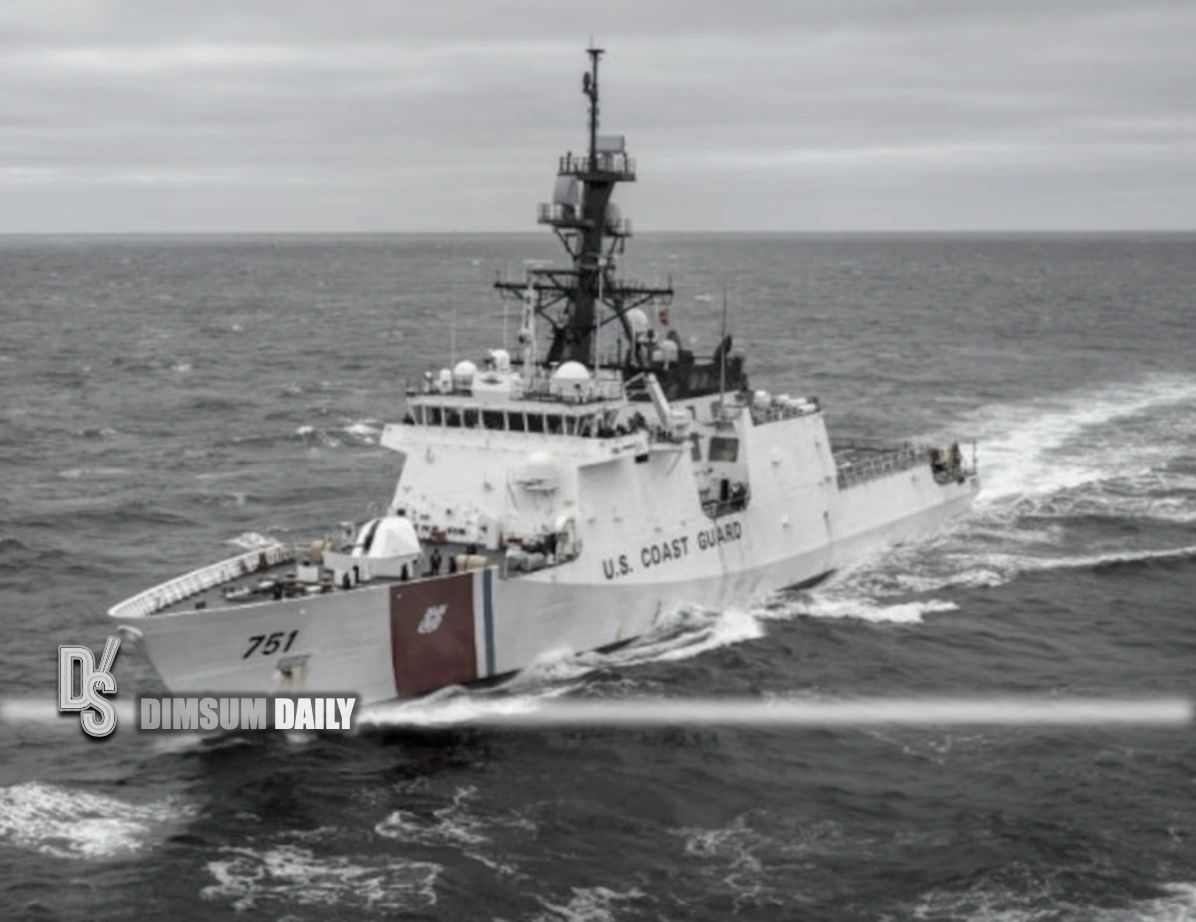
22nd December 2025 – (Washington) The United States is actively tracking a third oil tanker in international waters off the coast of Venezuela, in what appears to be an escalation of Washington’s enforcement of sanctions on the South American country’s energy trade.
A U.S. official told NBC News that the vessel is part of what Washington describes as Venezuela’s “dark fleet”, allegedly used to evade sanctions. “The United States Coast Guard is in active pursuit of a sanctioned dark fleet vessel that is part of Venezuela’s illegal sanctions evasion. It is flying a false flag and under a judicial seizure order,” the official said.
Bloomberg earlier reported on Sunday that U.S. personnel had already boarded the tanker, identified as the Bella 1, as it sailed towards Venezuela to take on cargo, although subsequent updates indicated that the pursuit remained under way. Should the vessel be intercepted and detained, it would become the third tanker with links to Venezuela to be seized or boarded by U.S. forces within a span of less than two weeks.
On Saturday, the U.S. Coast Guard boarded the Centuries, a Panama-flagged supertanker operating off the Venezuelan coast. Although the ship itself is not listed under U.S. sanctions, White House spokesperson Anna Kelly stated on X that the crude oil it was carrying originated from Petróleos de Venezuela SA (PDVSA), Venezuela’s state-owned oil company, which is subject to extensive U.S. sanctions.
Earlier in the month, on 10th December, U.S. forces seized another vessel, the Skipper, near Venezuelan waters and declared that Washington intended to retain its oil cargo. The series of actions reflects an increasingly hard line against tankers suspected of transporting Venezuelan crude in violation of U.S. measures.
On 16 December, President Donald Trump ordered what he called a “total and complete blockade” of sanctioned tankers entering or leaving Venezuela, and announced that the government of President Nicolás Maduro had been designated a “foreign terrorist organisation”. The decision significantly broadened the legal and political framework underpinning US operations against Venezuelan oil exports.
Data from oil-tracking service TankerTrackers.com indicate that dozens of tankers on the U.S. sanctions list remain anchored or operating in Venezuelan waters. With oil exports providing the overwhelming majority of Venezuela’s foreign currency earnings, any disruption to maritime shipments poses a direct threat to the country’s already fragile economy.
Caracas has repeatedly condemned the U.S. actions, accusing Washington of attempting to engineer regime change and extend its military footprint in Latin America. Venezuelan officials have branded the seizure and interception of oil tankers as “piracy”, insisting that the shipments are part of legitimate international trade.